<?xml version="1.0" encoding="UTF-8"?><rss version="2.0"
	xmlns:content="http://purl.org/rss/1.0/modules/content/"
	xmlns:wfw="http://wellformedweb.org/CommentAPI/"
	xmlns:dc="http://purl.org/dc/elements/1.1/"
	xmlns:atom="http://www.w3.org/2005/Atom"
	xmlns:sy="http://purl.org/rss/1.0/modules/syndication/"
	xmlns:slash="http://purl.org/rss/1.0/modules/slash/"
	xmlns:media="http://search.yahoo.com/mrss/" >

<channel>
	<title>Ksenia&#039;s Secrets of Solo</title>
	<atom:link href="https://secretsofsolo.com/feed/" rel="self" type="application/rss+xml" />
	<link>https://secretsofsolo.com</link>
	<description>Unlock the Secrets of Solo!</description>
	<lastBuildDate>Thu, 30 Oct 2025 13:54:59 +0000</lastBuildDate>
	<language>en-GB</language>
	<sy:updatePeriod>
	hourly	</sy:updatePeriod>
	<sy:updateFrequency>
	1	</sy:updateFrequency>
	

<image>
	<url>https://secretsofsolo.com/wp-content/uploads/2017/06/cropped-LOGO-Secrets-of-Solo-KEY-Final-32x32.png</url>
	<title>Ksenia&#039;s Secrets of Solo</title>
	<link>https://secretsofsolo.com</link>
	<width>32</width>
	<height>32</height>
</image> 
	<item>
		<title>Expressive Arms in Solo Jazz: 3 Secrets to Captivating Dance</title>
		<link>https://secretsofsolo.com/2025/10/expressive-arms-in-solo-jazz-3-secrets/</link>
					<comments>https://secretsofsolo.com/2025/10/expressive-arms-in-solo-jazz-3-secrets/#respond</comments>
		
		<dc:creator><![CDATA[Ksenia Parkhatskaya]]></dc:creator>
		<pubDate>Thu, 30 Oct 2025 11:30:00 +0000</pubDate>
				<category><![CDATA[Dance]]></category>
		<category><![CDATA[expressive arms]]></category>
		<category><![CDATA[solo jazz]]></category>
		<guid isPermaLink="false">https://secretsofsolo.com/?p=29709</guid>

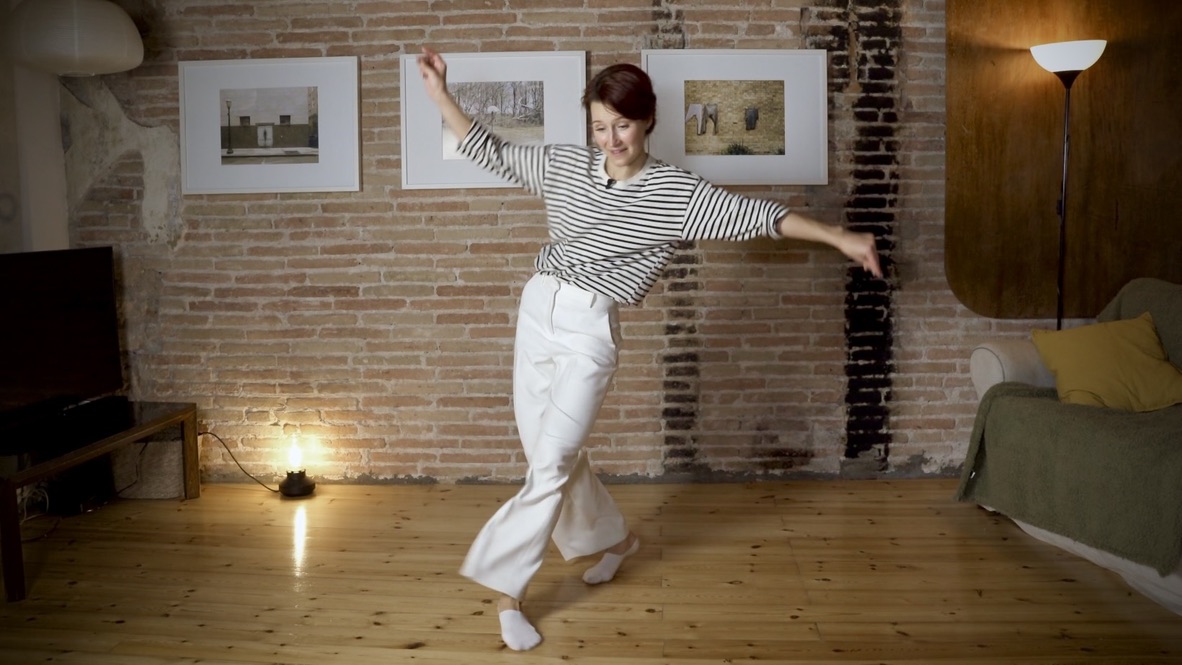
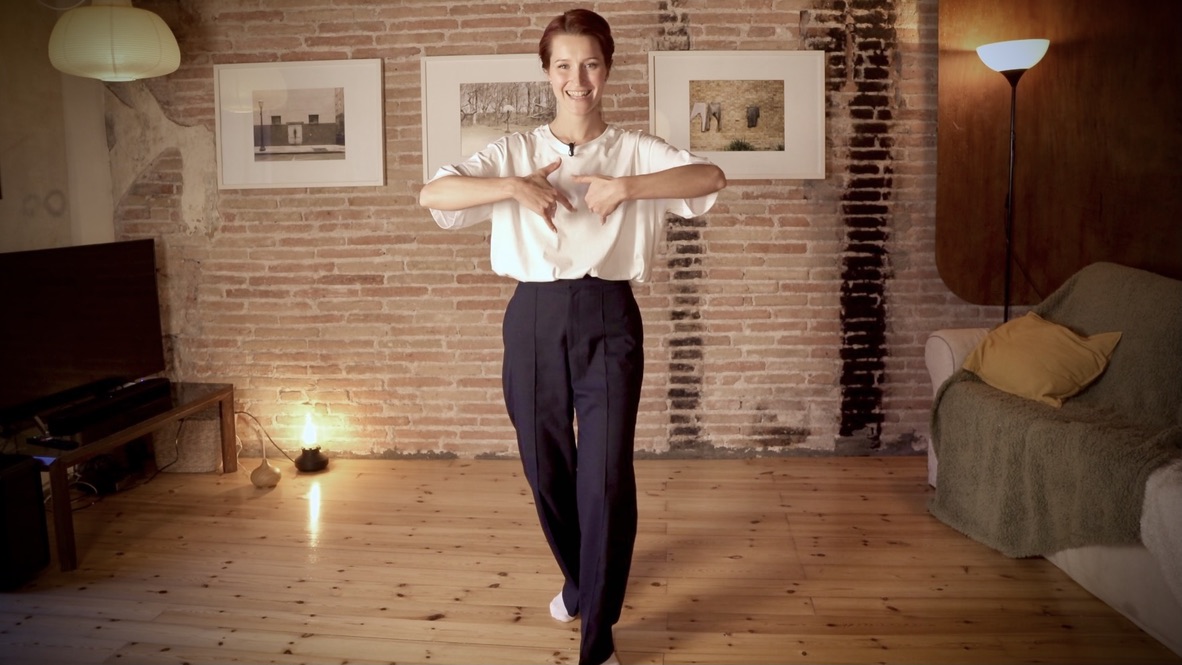
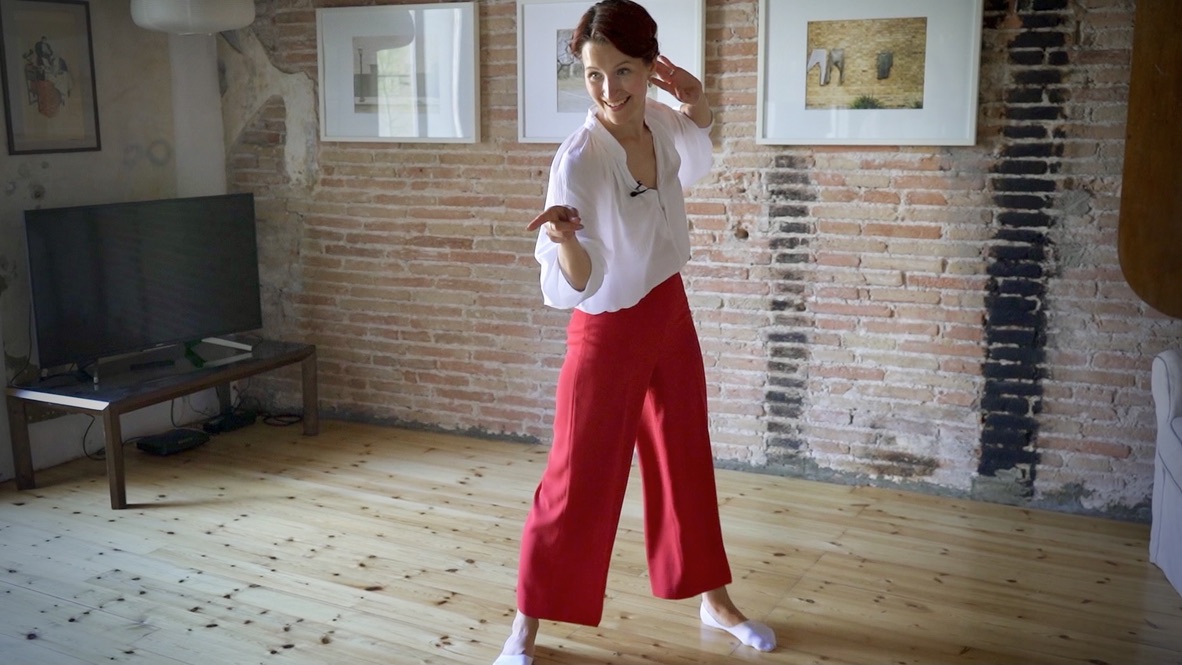
					<description><![CDATA[From Soggy Shoulders to Show-Stopping Arms Arms! You’ve got them, I’ve got them, and yet the moment we start dancing… boom! Something changes and it feels like we have no idea what these alien sausages are doing on the sides of our body. Suddenly all feels unnatural — and here come our old friends: soggy [&#8230;]]]></description>
										<content:encoded><![CDATA[
<h2 class="wp-block-heading">From Soggy Shoulders to Show-Stopping Arms</h2>


<p class="wp-block-paragraph">Arms! You’ve got them, I’ve got them, and yet the moment we start dancing… boom! Something changes and it feels like we have no idea what these alien sausages are doing on the sides of our body. Suddenly all feels unnatural — and here come our old friends: <strong>soggy shoulders, shrimp position, pigeon claws</strong>.</p>


<p class="wp-block-paragraph">But what if I told you that <strong>expressive arms could transform your dancing instantly</strong>?</p>


<p class="wp-block-paragraph">I’ve spent over two decades dancing, performing, and teaching jazz dance around the world, and I’ve become known for my work in solo jazz: choreographies, style, improvisation and my way to create <strong>expressive arms in solo jazz</strong></p>


<p class="wp-block-paragraph">In this article, I’m going to share with you <strong>3 secrets to unlock your arms</strong> and turn them into the most beautiful, expressive tools of your solo jazz dance. And if you stick around, I’ll also invite you to a <strong>full class</strong> where we’ll dive even deeper.</p>


<p class="wp-block-paragraph">Let’s go!</p>


<hr class="wp-block-separator has-alpha-channel-opacity"/>


<h2 class="wp-block-heading">Why Arms Matter in Solo Jazz?</h2>


<p class="wp-block-paragraph">Here’s what I want you to know: the periphery of the body — your arms, hands, head, and feet — <strong>creates the final impression of your movement</strong>.</p>


<p class="wp-block-paragraph">Your arms complete the shape, rhythm, and emotional tone of your dance. They are <strong>storytellers, rhythm amplifiers, and emotional underliners</strong>.</p>


<p class="wp-block-paragraph">Think about it:</p>


<ul class="wp-block-list">
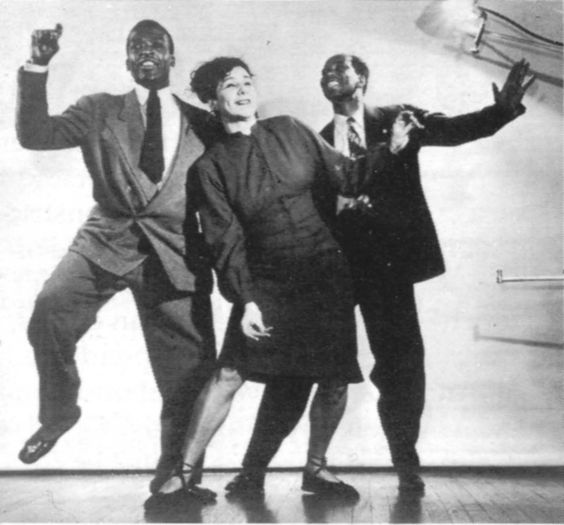
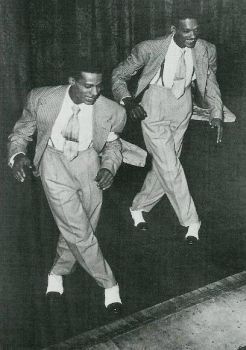
<li>The <strong>Nicholas Brothers</strong> — their arm work is as impressive and flashy as their footwork. Each move is accentuated, directed, percussive. If I gave their arms a character name, it would be <em>the director of an orchestra</em>.</li>


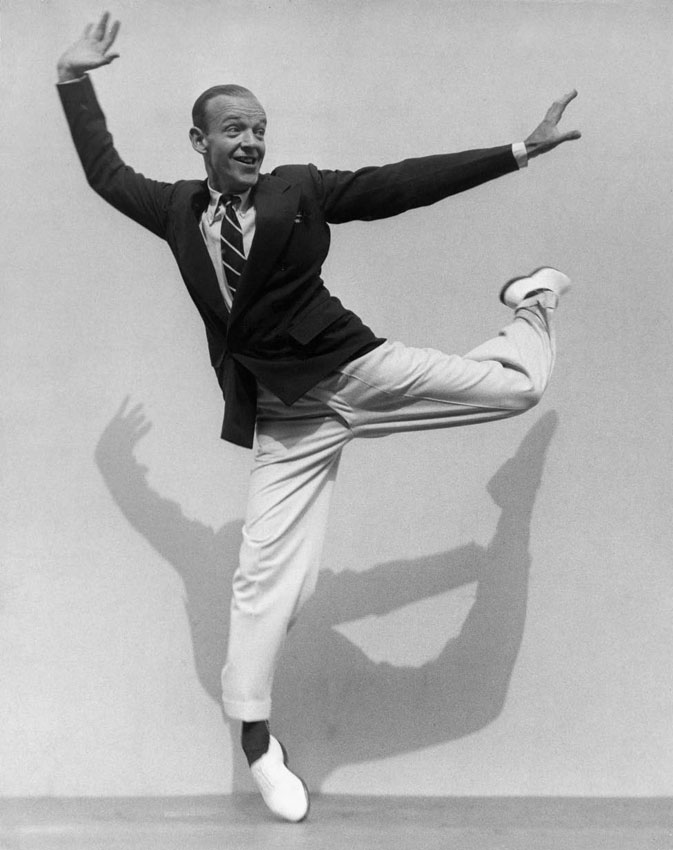
<li><strong>Fred Astaire</strong> — his arms flowed like silk. He once said, <em>“The hardest thing about dancing is making it look easy.”</em> His arms were part of that effortlessness.</li>


<li><strong>Al Minns</strong> — playful, joyful, almost childlike. I’d call his arms <em>Charlie Chaplinesque</em>.</li>


<li><strong>Maya Plisetskaya</strong> — her arms weren’t just limbs, they were characters. As the Swan, you believed she was a swan. As Carmen, her arms and feet became a revolver. She knew the power of intention in movement.</li>


<li><strong>Irvin Lluis</strong> — bebop dancer with lightning-fast, expressive arms. He treated arm work like footwork. He once told me: <em>“Think arm work first, then footwork. Arms can direct your feet and inspire movement.”</em> He also said that playing with arms slows down the mind — you can’t afford to be frantic, even if the music is fast.</li>
</ul>


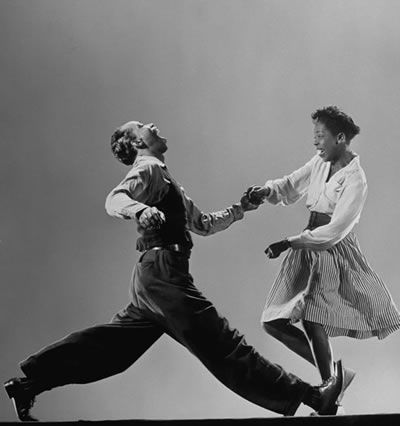
<p class="wp-block-paragraph">All these artists knew this: <strong>what you do with your arms changes everything</strong>.</p>


<figure class="wp-block-gallery has-nested-images columns-1 grid--3 wp-block-gallery-1 is-layout-flex wp-block-gallery-is-layout-flex">
<figure class="wp-block-image size-full"><img fetchpriority="high" decoding="async" width="539" height="654" data-id="29717" src="https://secretsofsolo.com/wp-content/uploads/2025/08/fe2e768534293e9e808ce82c4e6efa82.jpg" alt="Nicholas Brothers performing with dynamic arm movements in solo jazz" class="wp-image-29717" srcset="https://secretsofsolo.com/wp-content/uploads/2025/08/fe2e768534293e9e808ce82c4e6efa82.jpg 539w, https://secretsofsolo.com/wp-content/uploads/2025/08/fe2e768534293e9e808ce82c4e6efa82-396x480.jpg 396w, https://secretsofsolo.com/wp-content/uploads/2025/08/fe2e768534293e9e808ce82c4e6efa82-247x300.jpg 247w" sizes="(max-width: 539px) 100vw, 539px" /></figure>


<figure class="wp-block-image size-full"><img decoding="async" width="1195" height="1600" data-id="29715" src="https://secretsofsolo.com/wp-content/uploads/2025/08/e9bba28a28d242f3608dea4fa2f03152.jpg" alt="Gene Kelly with playful silly expressive arms" class="wp-image-29715" srcset="https://secretsofsolo.com/wp-content/uploads/2025/08/e9bba28a28d242f3608dea4fa2f03152.jpg 1195w, https://secretsofsolo.com/wp-content/uploads/2025/08/e9bba28a28d242f3608dea4fa2f03152-359x480.jpg 359w, https://secretsofsolo.com/wp-content/uploads/2025/08/e9bba28a28d242f3608dea4fa2f03152-956x1280.jpg 956w, https://secretsofsolo.com/wp-content/uploads/2025/08/e9bba28a28d242f3608dea4fa2f03152-224x300.jpg 224w, https://secretsofsolo.com/wp-content/uploads/2025/08/e9bba28a28d242f3608dea4fa2f03152-768x1028.jpg 768w, https://secretsofsolo.com/wp-content/uploads/2025/08/e9bba28a28d242f3608dea4fa2f03152-1147x1536.jpg 1147w" sizes="(max-width: 1195px) 100vw, 1195px" /></figure>


<figure class="wp-block-image size-full"><img decoding="async" width="474" height="842" data-id="29714" src="https://secretsofsolo.com/wp-content/uploads/2025/08/a24f5185ea9a1c6a42fc3fb2767377c5.jpg" alt="Graceful and Majestic arms of Josephine Baker" class="wp-image-29714" srcset="https://secretsofsolo.com/wp-content/uploads/2025/08/a24f5185ea9a1c6a42fc3fb2767377c5.jpg 474w, https://secretsofsolo.com/wp-content/uploads/2025/08/a24f5185ea9a1c6a42fc3fb2767377c5-270x480.jpg 270w, https://secretsofsolo.com/wp-content/uploads/2025/08/a24f5185ea9a1c6a42fc3fb2767377c5-169x300.jpg 169w" sizes="(max-width: 474px) 100vw, 474px" /><figcaption class="wp-element-caption">Graceful and Majestic arms of Josephine Baker</figcaption></figure>


<figure class="wp-block-image size-full"><img loading="lazy" decoding="async" width="1080" height="1525" data-id="29719" src="https://secretsofsolo.com/wp-content/uploads/2025/08/Cyd-Charisse.jpg" alt="Cyd Charisse and her powerful expressive arms that tell a story" class="wp-image-29719" srcset="https://secretsofsolo.com/wp-content/uploads/2025/08/Cyd-Charisse.jpg 1080w, https://secretsofsolo.com/wp-content/uploads/2025/08/Cyd-Charisse-340x480.jpg 340w, https://secretsofsolo.com/wp-content/uploads/2025/08/Cyd-Charisse-906x1280.jpg 906w, https://secretsofsolo.com/wp-content/uploads/2025/08/Cyd-Charisse-212x300.jpg 212w, https://secretsofsolo.com/wp-content/uploads/2025/08/Cyd-Charisse-768x1084.jpg 768w" sizes="auto, (max-width: 1080px) 100vw, 1080px" /><figcaption class="wp-element-caption">Cyd Charisse and her powerful expressive arms that tell a story</figcaption></figure>


<figure class="wp-block-image size-full"><img loading="lazy" decoding="async" width="940" height="1278" data-id="29713" src="https://secretsofsolo.com/wp-content/uploads/2025/08/1b235e62beec8a72e522b5c34967089f.jpg" alt="Fred Astaire dancing with flowing, effortless and elegant arms" class="wp-image-29713" srcset="https://secretsofsolo.com/wp-content/uploads/2025/08/1b235e62beec8a72e522b5c34967089f.jpg 940w, https://secretsofsolo.com/wp-content/uploads/2025/08/1b235e62beec8a72e522b5c34967089f-353x480.jpg 353w, https://secretsofsolo.com/wp-content/uploads/2025/08/1b235e62beec8a72e522b5c34967089f-221x300.jpg 221w, https://secretsofsolo.com/wp-content/uploads/2025/08/1b235e62beec8a72e522b5c34967089f-768x1044.jpg 768w" sizes="auto, (max-width: 940px) 100vw, 940px" /><figcaption class="wp-element-caption">Fred Astaire dancing with flowing, effortless and elegant arms</figcaption></figure>


<figure class="wp-block-image size-full"><img loading="lazy" decoding="async" width="418" height="500" data-id="29712" src="https://secretsofsolo.com/wp-content/uploads/2025/08/Maya-Mikhaylovna-Plisetskaya-.jpg" alt="Maya Plisetskaya performing with dramatic, expressive arms in swan lake" class="wp-image-29712" srcset="https://secretsofsolo.com/wp-content/uploads/2025/08/Maya-Mikhaylovna-Plisetskaya-.jpg 418w, https://secretsofsolo.com/wp-content/uploads/2025/08/Maya-Mikhaylovna-Plisetskaya--401x480.jpg 401w, https://secretsofsolo.com/wp-content/uploads/2025/08/Maya-Mikhaylovna-Plisetskaya--251x300.jpg 251w" sizes="auto, (max-width: 418px) 100vw, 418px" /><figcaption class="wp-element-caption">Maya Plisetskaya transforming into Majestic Swan through her arms </figcaption></figure>
</figure>


<hr class="wp-block-separator has-alpha-channel-opacity"/>


<h2 class="wp-block-heading">My Personal Story – From “Dead Hands” to Jazz Arms</h2>


<p class="wp-block-paragraph">When I first started filming my practices, I noticed something awful: <strong>my arms were lifeless</strong>. My fingers were curled into little fists, like I was holding invisible stress balls.</p>


<p class="wp-block-paragraph">It looked stiff, small, and… dead. I was holding in a lot of energy and expression without realising it.</p>


<p class="wp-block-paragraph">So I made a choice: <strong>to focus only on my arms</strong>.</p>


<p class="wp-block-paragraph">I experimented — what if I focus on my wrists? My elbows? My shoulders? I isolated every single part, played with it, and asked myself: <em>What do I like? What works for me?</em></p>


<p class="wp-block-paragraph">This exploration changed everything. Suddenly, dancing wasn’t just about my feet — my attention travelled through my whole body, from the inside out.</p>


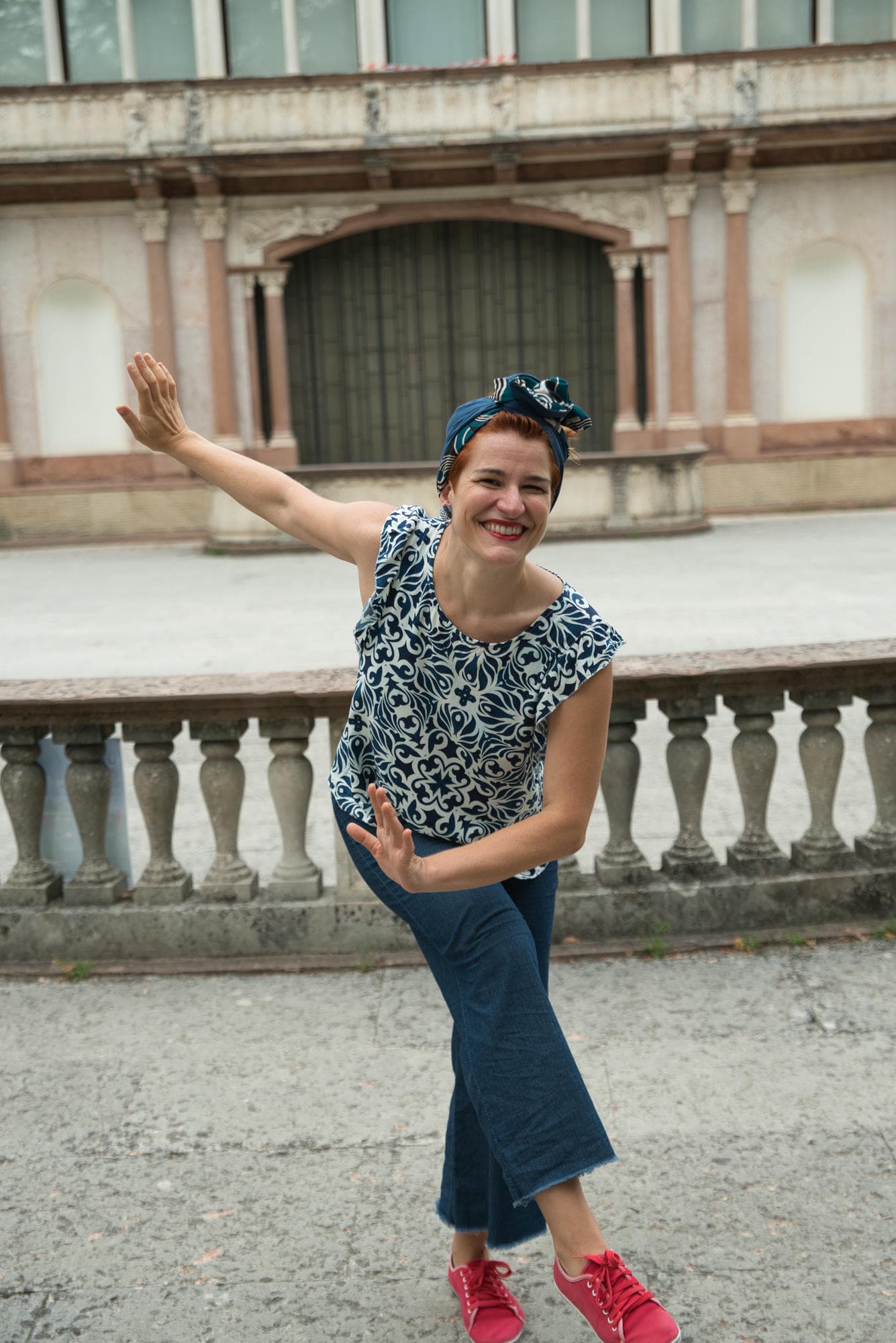
<p class="wp-block-paragraph">Out of this exploration came my course <strong>Jazz Arms</strong> — a deep dive into creating arms that aren’t just beautiful, but expressive. Arms that tell stories, amplify rhythm, and make people <em>feel</em> something.</p>


<figure class="wp-block-image size-large"><img loading="lazy" decoding="async" width="1280" height="854" src="https://secretsofsolo.com/wp-content/uploads/2025/08/shake-that-change-fest-slovenia-june-202212-1280x854.jpeg" alt="	1.	Ksenia demonstrating expressive arm movement in solo jazz dance
" class="wp-image-29720" srcset="https://secretsofsolo.com/wp-content/uploads/2025/08/shake-that-change-fest-slovenia-june-202212-1280x854.jpeg 1280w, https://secretsofsolo.com/wp-content/uploads/2025/08/shake-that-change-fest-slovenia-june-202212-480x320.jpeg 480w, https://secretsofsolo.com/wp-content/uploads/2025/08/shake-that-change-fest-slovenia-june-202212-300x200.jpeg 300w, https://secretsofsolo.com/wp-content/uploads/2025/08/shake-that-change-fest-slovenia-june-202212-768x513.jpeg 768w, https://secretsofsolo.com/wp-content/uploads/2025/08/shake-that-change-fest-slovenia-june-202212-1536x1025.jpeg 1536w, https://secretsofsolo.com/wp-content/uploads/2025/08/shake-that-change-fest-slovenia-june-202212.jpeg 2048w" sizes="auto, (max-width: 1280px) 100vw, 1280px" /><figcaption class="wp-element-caption">Caught during a solo show at Shake That Change festival in Slovenia</figcaption></figure>


<hr class="wp-block-separator has-alpha-channel-opacity"/>


<h2 class="wp-block-heading">Bonus Tip – Shoulders: The Gateway to Expressive Arms</h2>


<p class="wp-block-paragraph">Your shoulders are the foundation. If they’re stiff, your arms can’t flow.</p>


<p class="wp-block-paragraph">If your shoulders are rolled too far forward, soggy and closed, you look and feel tired. You’re closing your chest — the <strong>sun of your solar plexus</strong>, your heart.</p>


<p class="wp-block-paragraph">Start here:</p>


<ul class="wp-block-list">
<li>Open your ribcage</li>


<li>Breathe deep</li>


<li>Move your shoulders</li>


<li>Give yourself a quick shoulder massage</li>
</ul>


<p class="wp-block-paragraph">When your arms feel like they’re <strong>growing from your heart</strong> — like a brother and sister, connected — then you’re ready to work on expressive arms.</p>


<hr class="wp-block-separator has-alpha-channel-opacity"/>


<h2 class="wp-block-heading">3 Secrets to Expressive Arms in Solo Jazz</h2>


<h3 class="wp-block-heading">1. The Finger Orchestra</h3>


<p class="wp-block-paragraph">Think of your fingers as the musicians and your hand as the orchestra. Each small articulation adds life and precision.</p>


<h3 class="wp-block-heading">2. Action Arms</h3>


<p class="wp-block-paragraph">Expressive arms aren’t just shapes — they’re actions. Arms look alive when they have purpose.</p>


<p class="wp-block-paragraph">Think verbs: <strong>push, pull, gather, throw, reach, toss</strong>.</p>


<p class="wp-block-paragraph">👉 Tip: Pick a move and add an action. Instead of just swinging your arm, imagine gathering the music. Instead of lifting, imagine throwing the beat into the air.</p>


<h3 class="wp-block-heading">3. The Eye of the Palm</h3>


<p class="wp-block-paragraph">This is one of my favourites. Imagine there’s an <strong>eye in the center of your palm</strong>. Where does it look? How does it see the space?</p>


<p class="wp-block-paragraph">Closing the palms closes communication. Open them, direct them, let them see and express.</p>


<p class="wp-block-paragraph">Watch the tips here:</p>


<figure class="wp-block-embed is-type-video is-provider-youtube wp-block-embed-youtube wp-embed-aspect-16-9 wp-has-aspect-ratio"><div class="wp-block-embed__wrapper">
<span class="PIr1"><iframe loading="lazy" title="3 Secrets to Expressive Arms in Solo Jazz" width="500" height="281" src="https://www.youtube.com/embed/-pCReWyORA0?feature=oembed" frameborder="0" allow="accelerometer; autoplay; clipboard-write; encrypted-media; gyroscope; picture-in-picture; web-share" referrerpolicy="strict-origin-when-cross-origin" allowfullscreen></iframe></span>
</div></figure>


<hr class="wp-block-separator has-alpha-channel-opacity"/>


<h2 class="wp-block-heading">Don’t Be Satisfied with Average</h2>


<p class="wp-block-paragraph">Solo jazz has its ‘agreed upon’ ways of using arms — but jazz is about <strong>expression and discovery</strong>. Imitate to learn, but don’t imitate to become a copy.</p>


<p class="wp-block-paragraph">Sometimes it’s as simple as combining inspirations:</p>


<ul class="wp-block-list">
<li>In my Broadway choreography, I borrowed arms from African dance and blended them with swing dance.</li>


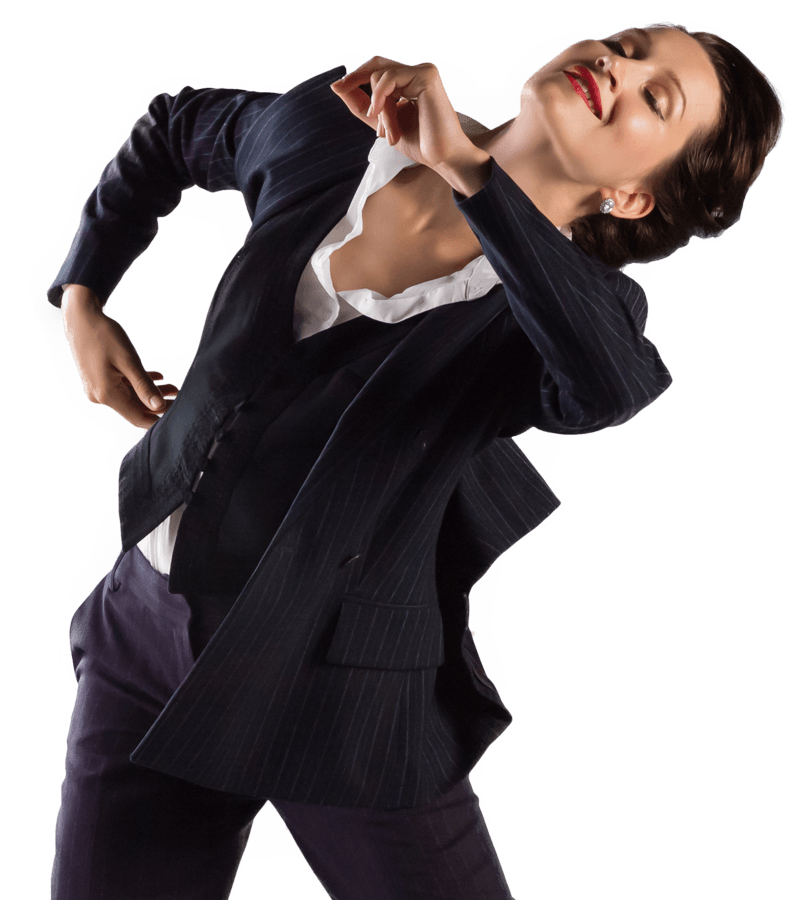
<li>In my collaboration with contemporary dancer Aina Lanas, we fused vogue and waacking with solo jazz.</li>
</ul>


<p class="wp-block-paragraph">Take what inspires you and make it yours.</p>


<hr class="wp-block-separator has-alpha-channel-opacity"/>


<h2 class="wp-block-heading">The Secrets to Arms Is In Your Body</h2>


<p class="wp-block-paragraph">One of the most frequently asked questions by my students is: “How do I improve my posture and arm movement in dance?” Solo jazz and swing dance styles are often seen as footwork-driven, leading dancers to focus primarily on where their feet land, on what beat, and how to execute precise rhythms. But in doing so, many overlook one of the most essential aspects of dance—the upper body.</p>


<p class="wp-block-paragraph">Enjoy this <strong>full free class </strong></p>


<h3 class="wp-block-heading">4 Keys to Improve Your Arm Position &amp; Posture in Solo Jazz</h3>


<figure class="wp-block-embed is-type-video is-provider-youtube wp-block-embed-youtube wp-embed-aspect-16-9 wp-has-aspect-ratio"><div class="wp-block-embed__wrapper">
<span class="OBiHnHY6KzCDP5wMJesPk2mjSfvB6akvw1gb4YxudSypXLe9bRyJqnLW3rgqj7VEGcU87mhRoXdQAtTIDlK04rATO8fCI1W5aM"><iframe loading="lazy" title="4 Keys to Improve Your Arm Position &amp; Posture in Solo Jazz Dance" width="500" height="281" src="https://www.youtube.com/embed/89RbECuoIzc?feature=oembed" frameborder="0" allow="accelerometer; autoplay; clipboard-write; encrypted-media; gyroscope; picture-in-picture; web-share" referrerpolicy="strict-origin-when-cross-origin" allowfullscreen></iframe></span>
</div></figure>


<h2 class="wp-block-heading">Want to Master Expressive Arms in Solo Jazz?</h2>


<p class="wp-block-paragraph">Do you ever wonder:</p>


<ul class="wp-block-list">
<li><em>What do I do with my arms when I dance solo jazz?</em></li>


<li><em>How do I make my arms expressive instead of stiff?</em></li>


<li><em>How can I coordinate my arms with my footwork?</em></li>


<li><em>What’s the secret to beautiful arm lines in jazz dance?</em></li>
</ul>


<p class="wp-block-paragraph">If you’ve asked yourself these questions, the course <a href="https://secretsofsolo.com/course/jazzarms/"><strong>Jazz Arms</strong></a> course is for you.</p>


<p class="wp-block-paragraph">Ksenia Parkhatskaya is one of the world’s most recognised solo jazz dancers, celebrated for her 1920s Charleston and expressive arm work. She has performed, taught, and inspired audiences in more than 35 countries, with viral dance videos reaching over 200 million views. Her career includes collaborations with the Paris Opera Orchestra, appearances on “So You Think You Can Dance,” and performances at jazz festivals worldwide. Drawing on decades of training and performance experience, Ksenia helps dancers transform steps into full-body expression, unlocking individuality and artistry in every movement.</p>


<p class="wp-block-paragraph">In this step-by-step online program, you’ll discover how to bring <strong>expressive arms in solo jazz</strong> to life—so your upper body moves with confidence, rhythm, and style. We’ll cover:</p>


<ul class="wp-block-list">
<li><strong>Posture &amp; Shoulder Freedom</strong> – the foundation for fluid arm movement</li>


<li><strong>Arm Shapes &amp; Gestures</strong> – from elegant lines to bold, rhythmic actions</li>


<li><strong>Storytelling Through Arms</strong> – using your hands and arms to communicate emotion</li>


<li><strong>Examples from the Greats</strong> – Nicholas Brothers, Fred Astaire, Maya Plisetskaya, and more</li>


<li><strong>Full Guided Practices</strong> – every lesson ends with me dancing alongside you</li>
</ul>


<p class="wp-block-paragraph">This isn’t just about pretty shapes—it’s about arms that <strong>feel alive</strong> and make your dancing unforgettable.</p>


<figure class="wp-block-embed is-type-wp-embed is-provider-ksenia-039-s-secrets-of-solo wp-block-embed-ksenia-039-s-secrets-of-solo"><div class="wp-block-embed__wrapper">
<span class="864Mdp1n9UCIvyXePp21ybnqS5QvGTbZNOfxYs8BrLgBJ3lSrilGuA6aVKDw3EgNuZWQaFz2jxmh09oLEMsjHRT4Xh7cdzU"><blockquote class="wp-embedded-content" data-secret="OtHXcdiF8X"><a href="https://secretsofsolo.com/course/jazzarms/">JazzArms</a></blockquote><iframe loading="lazy" class="wp-embedded-content" sandbox="allow-scripts" security="restricted"  title="&#8220;JazzArms&#8221; &#8212; Ksenia&#039;s Secrets of Solo" src="https://secretsofsolo.com/course/jazzarms/embed/#?secret=sU1zUCNsdi#?secret=OtHXcdiF8X" data-secret="OtHXcdiF8X" width="500" height="282" frameborder="0" marginwidth="0" marginheight="0" scrolling="no"></iframe></span>
</div></figure>


<p class="wp-block-paragraph">Join and transform your arms into one of your most expressive tools in solo jazz! </p>
]]></content:encoded>
					
					<wfw:commentRss>https://secretsofsolo.com/2025/10/expressive-arms-in-solo-jazz-3-secrets/feed/</wfw:commentRss>
			<slash:comments>0</slash:comments>
		
		
		<media:content url="https://www.youtube.com/embed/-pCReWyORA0" medium="video">
			<media:player url="https://www.youtube.com/embed/-pCReWyORA0" />
			<media:title type="plain">3 Secrets for Expressive Arms in Solo Jazz Dance</media:title>
			<media:description type="html"><![CDATA[Enjoy the videos and music you love, upload original content, and share it all with friends, family, and the world on YouTube.]]></media:description>
			<media:thumbnail url="https://secretsofsolo.com/wp-content/uploads/2025/08/expressive-arms-1.png" />
			<media:rating scheme="urn:simple">nonadult</media:rating>
		</media:content>
	</item>
		<item>
		<title>5 Solo Jazz Tips You’ll Wish You Learned Sooner</title>
		<link>https://secretsofsolo.com/2025/10/solo-jazz-tips/</link>
					<comments>https://secretsofsolo.com/2025/10/solo-jazz-tips/#respond</comments>
		
		<dc:creator><![CDATA[Ksenia Parkhatskaya]]></dc:creator>
		<pubDate>Thu, 09 Oct 2025 10:30:00 +0000</pubDate>
				<category><![CDATA[Dance]]></category>
		<category><![CDATA[solo jazz tips]]></category>
		<guid isPermaLink="false">https://secretsofsolo.com/?p=29745</guid>

					<description><![CDATA[5 Pieces of Advice I Give to Every Solo Jazz Student Over the years of teaching solo jazz, I’ve noticed something… The same patterns, the same little habits, keep appearing across students. Whether they’re total beginners or experienced dancers, there are 5 core pieces of feedback I give again and again. If you’ve ever wondered [&#8230;]]]></description>
										<content:encoded><![CDATA[
<h2 class="wp-block-heading">5 Pieces of Advice I Give to Every Solo Jazz Student</h2>


<p class="wp-block-paragraph">Over the years of teaching solo jazz, I’ve noticed something… The same patterns, the same little habits, keep appearing across students. Whether they’re total beginners or experienced dancers, there are 5 core pieces of feedback I give again and again.</p>


<p class="wp-block-paragraph">If you’ve ever wondered <em>“Why doesn’t my dancing feel alive yet?”</em> or <em>“What am I missing besides the steps?”</em> this is for you.</p>


<hr class="wp-block-separator has-alpha-channel-opacity"/>


<h3 class="wp-block-heading">Solo jazz tip #1: Start with the Groove — Bounce is the Heartbeat of the Dance</h3>


<p class="wp-block-paragraph">That juicy groove within you that goes through the floor to the beat of the song you’re listening to &#8211; <strong>that is bounce</strong>.</p>


<p class="wp-block-paragraph">Often we think the dance <em>is</em> the steps we do.</p>


<p class="wp-block-paragraph">Until you’ve started doing some footwork that has a name, you think you’re not dancing.</p>


<p class="wp-block-paragraph">Release yourself from that spell. <strong>Dance starts way before the steps.</strong></p>


<p class="wp-block-paragraph">It starts inside your pulsating heart, manifests through your body, and becomes a pulse that unites you with the music. Bounce can be big or small, full-body or just in the shoulder.</p>


<p class="wp-block-paragraph">In jazz dances, the bounce is all about <strong>going through the Earth</strong>,  sending vibration down into it. In some African traditions, <strong>Mother Earth was praised as sacred</strong>: the source of food, the resting bed of ancestors.</p>


<p class="wp-block-paragraph">By dancing on the Earth, we awaken the spirits of those who came before.</p>


<blockquote class="wp-block-quote is-layout-flow wp-block-quote-is-layout-flow">
<p class="wp-block-paragraph">“If the foot is lifted, it’s only to be brought back to earth.”</p>
</blockquote>


<p class="wp-block-paragraph"><strong>Tip:</strong> Connect with the floor. Drop the weight off your shoulders, down through your hips, into the ground. Let your upper body float and breathe. Before you step, invite the music in — then give the floor your weight.</p>


<p class="wp-block-paragraph">Take this class from Solo Jazz 101 course on Bounce: </p>


<figure class="wp-block-embed is-type-video is-provider-youtube wp-block-embed-youtube wp-embed-aspect-16-9 wp-has-aspect-ratio"><div class="wp-block-embed__wrapper">
<span class="G3aWUBkvA0S2gqrLM1ZfERtDPlTOn8C54VyQYuihocX9IFNbs7x"><iframe loading="lazy" title="EASY Solo Jazz dance movement, every dancer MUST KNOW!" width="500" height="281" src="https://www.youtube.com/embed/N_FFx7xE8dg?feature=oembed" frameborder="0" allow="accelerometer; autoplay; clipboard-write; encrypted-media; gyroscope; picture-in-picture; web-share" referrerpolicy="strict-origin-when-cross-origin" allowfullscreen></iframe></span>
</div></figure>


<hr class="wp-block-separator has-alpha-channel-opacity"/>


<h3 class="wp-block-heading">Solo jazz tip #2: Be more grounded</h3>


<p class="wp-block-paragraph">One of the most common feedbacks I give my students is: <strong>be more grounded</strong>. </p>


<p class="wp-block-paragraph"><em>“Dance with bended knees, lest you be taken for a corpse.”</em> — <strong>Kongo proverb</strong></p>


<p class="wp-block-paragraph">Go through the floor. Connect to gravity.</p>


<p class="wp-block-paragraph">Often, I see movements driven upward — as if the energy wants to float away — even in steps like bounce, kick ball change, or Charleston that seem jumpy on the surface.</p>


<p class="wp-block-paragraph">But in solo jazz, movements are <strong>weighted</strong>, with a <strong>dynamic spine</strong> and <strong>grounded rhythms</strong>.</p>


<p class="wp-block-paragraph">Although by the amount of questions my students ask <em>&#8220;Ksenia, what do you mean by “be more grounded” in solo jazz?&#8221;</em> I knew I had to come up with some creative idea. </p>


<p class="wp-block-paragraph">The idea is an elevator with 3 floors: &#8220;<strong>-1 / 0 / +1</strong>&#8221; </p>


<ul class="wp-block-list">
<li><strong>0</strong> = your default jazz stance: slightly bent limbs, ready to move.</li>


<li><strong>-1</strong> = any stomping, accent, or downbeat moment, deeper bend, more weight into the floor.</li>


<li><strong>+1</strong> = the rare jump or lift that leaves the ground, but even then, the intention is to return to earth.</li>
</ul>


<blockquote class="wp-block-quote is-layout-flow wp-block-quote-is-layout-flow">
<p class="wp-block-paragraph"><em>“Many African dances are directed towards earth, acknowledging its function as a food source, but also as a resting site for their ancestors… Feet are used to shuffle, stomp, brush, graze, to embrace the ground with the entire foot. When the foot is lifted, the emphasis is to return it to the ground as quickly as possible.”</em> — <em>Hot Feet and Social Change: African Dance and Diaspora Communities</em></p>
</blockquote>


<p class="wp-block-paragraph">If the foot is lifted, it’s only to come back with purpose.</p>


<p class="wp-block-paragraph"><strong>Dance directed towards earth. Nourishing earth as food source and as resting place for ancestors.</strong></p>


<hr class="wp-block-separator has-alpha-channel-opacity"/>


<h3 class="wp-block-heading">Solo jazz tip #2: Not Only Feet!</h3>


<p class="wp-block-paragraph"><em>“Move the body first!”</em> and <em>“Not only feet!”</em> have been my jazz-class battle cries for years.</p>


<p class="wp-block-paragraph">Jazz dance is footwork-heavy, yes! But rooted in African dance, it’s just as rich in <strong>upper body movement</strong>: isolations, asymmetry, angularity, and contractions in the chest and hips.</p>


<p class="wp-block-paragraph">We often focus on placing the feet “on time” and forget the essential body movement that makes those steps flow. <strong>In life, when we walk, the body moves first, the feet follow.</strong> Watch a baby learning to walk — their feet are just catching up with their body.</p>


<blockquote class="wp-block-quote is-layout-flow wp-block-quote-is-layout-flow">
<p class="wp-block-paragraph">If you struggle with rhythm or transitions, the issue is often <em>not</em> timing,  it’s not knowing how to use your body weight.</p>
</blockquote>


<p class="wp-block-paragraph">Think holistically: your arms, chest, neck, and hips should all be <em>alive</em>.</p>


<p class="wp-block-paragraph">When I say <em>&#8220;Not only feet!&#8221;</em> I simultaneously ask <em>&#8220;What are your arms doing? Your chest, your neck, your hips? Are they alive? Are they part of this dance?</em></p>


<p class="wp-block-paragraph">In order to awaken your body, have the body available for the expressive movement, I recommend to do a powerful all around warm up. My warm ups are not just physical training. It&#8217;s a ritual to step in to your body, jazz movement and here and now. </p>


<p class="wp-block-paragraph">In Secrets of Solo I have a whole library dedicated to Warm Ups, so my students always start their dancing journey with a powerful awakening. </p>


<figure class="wp-block-embed is-type-video is-provider-youtube wp-block-embed-youtube wp-embed-aspect-16-9 wp-has-aspect-ratio"><div class="wp-block-embed__wrapper">
<span class="TFpl2j1GanQ9RLgKre4ANHUzZCPbXsqy"><iframe loading="lazy" title="Energising jazz dance warm up with Ksenia Parkhatskaya" width="500" height="281" src="https://www.youtube.com/embed/XDIEBC2kdcA?feature=oembed" frameborder="0" allow="accelerometer; autoplay; clipboard-write; encrypted-media; gyroscope; picture-in-picture; web-share" referrerpolicy="strict-origin-when-cross-origin" allowfullscreen></iframe></span>
</div></figure>


<p class="wp-block-paragraph">Another class I recommend to take on this topic is this one, about posture:</p>


<figure class="wp-block-embed is-type-video is-provider-youtube wp-block-embed-youtube wp-embed-aspect-16-9 wp-has-aspect-ratio"><div class="wp-block-embed__wrapper">
<span class="TW4uzm40PtJxe5qxGw3cNgaZdybXMX6yBzv8SQpOLARtmQ08lMCWjFAqwUhh3VL7sgoaJUoFH2kvCPc"><iframe loading="lazy" title="4 Keys to Improve Your Arm Position &amp; Posture in Solo Jazz Dance" width="500" height="281" src="https://www.youtube.com/embed/89RbECuoIzc?start=262&#038;feature=oembed" frameborder="0" allow="accelerometer; autoplay; clipboard-write; encrypted-media; gyroscope; picture-in-picture; web-share" referrerpolicy="strict-origin-when-cross-origin" allowfullscreen></iframe></span>
</div></figure>


<hr class="wp-block-separator has-alpha-channel-opacity"/>


<h3 class="wp-block-heading">Solo Jazz Tip #3. The Look!</h3>


<p class="wp-block-paragraph">Where you look <strong>changes everything</strong>. </p>


<p class="wp-block-paragraph">Your look isn’t just about your eyes &#8211;  it’s your <strong>whole body position</strong>.</p>


<p class="wp-block-paragraph">Look down, and your spine curves into that direction. Look up, and your chest opens. Look sideways, and a spiral appears through your spine.</p>


<p class="wp-block-paragraph">Too many dancers stare at the floor or into nothingness which not only locks the body but disconnects you from your surroundings.</p>


<blockquote class="wp-block-quote is-layout-flow wp-block-quote-is-layout-flow">
<p class="wp-block-paragraph">“There are no answers on the floor. Look around. Include the space and the people into your dance.” — <em>David Zambrano, Flying Low technique teacher</em></p>


<blockquote class="wp-block-quote is-layout-flow wp-block-quote-is-layout-flow">
<p class="wp-block-paragraph"><em>“Look around. Include all the space and all the people around you in your dance.”</em></p>
</blockquote>


<p class="wp-block-paragraph">Looking around frees your neck, spine, and upper body. It’s brighter, more engaging. And it keeps you present — unlike the “look into nothingness” that happens when you disappear into your head trying to solve a step.</p>
</blockquote>


<figure class="wp-block-image size-large"><img loading="lazy" decoding="async" width="1280" height="854" src="https://secretsofsolo.com/wp-content/uploads/2025/08/FB_IMG_1538556732684-1280x854.jpg" alt="Ksenia Parkhatskaya uses expressive arms and the power of look during the performance " class="wp-image-29746" srcset="https://secretsofsolo.com/wp-content/uploads/2025/08/FB_IMG_1538556732684-1280x854.jpg 1280w, https://secretsofsolo.com/wp-content/uploads/2025/08/FB_IMG_1538556732684-480x320.jpg 480w, https://secretsofsolo.com/wp-content/uploads/2025/08/FB_IMG_1538556732684-300x200.jpg 300w, https://secretsofsolo.com/wp-content/uploads/2025/08/FB_IMG_1538556732684-768x512.jpg 768w, https://secretsofsolo.com/wp-content/uploads/2025/08/FB_IMG_1538556732684.jpg 1400w" sizes="auto, (max-width: 1280px) 100vw, 1280px" /></figure>


<hr class="wp-block-separator has-alpha-channel-opacity"/>


<h3 class="wp-block-heading">Solo jazz tip #4. What About Your Arms and Fingers?</h3>


<p class="wp-block-paragraph"><strong>These deliciously beautiful body parts are your secret weapon.</strong></p>


<p class="wp-block-paragraph">Arms and fingers are often forgotten in solo jazz, but they are <strong>storytelling tools</strong>. They can direct, accentuate, or even speak in “archetypical” gestures.</p>


<p class="wp-block-paragraph">Paying attention to your wrists, fingers, and arms can transform your dance. You can accentuate rhythm, underline a phrase, or express an emotion <em>just</em> through the shape of your hands.</p>


<figure class="wp-block-image size-large"><img loading="lazy" decoding="async" width="1280" height="853" src="https://secretsofsolo.com/wp-content/uploads/2025/08/Copy-of-Revival-Kick-RTSF15-Tamara-HD-1280x853.jpg" alt="Ksenia and the power of the look and the arms during her solo jazz performance at rock that swing festival " class="wp-image-29748" srcset="https://secretsofsolo.com/wp-content/uploads/2025/08/Copy-of-Revival-Kick-RTSF15-Tamara-HD-1280x853.jpg 1280w, https://secretsofsolo.com/wp-content/uploads/2025/08/Copy-of-Revival-Kick-RTSF15-Tamara-HD-480x320.jpg 480w, https://secretsofsolo.com/wp-content/uploads/2025/08/Copy-of-Revival-Kick-RTSF15-Tamara-HD-300x200.jpg 300w, https://secretsofsolo.com/wp-content/uploads/2025/08/Copy-of-Revival-Kick-RTSF15-Tamara-HD-768x512.jpg 768w, https://secretsofsolo.com/wp-content/uploads/2025/08/Copy-of-Revival-Kick-RTSF15-Tamara-HD-1536x1024.jpg 1536w, https://secretsofsolo.com/wp-content/uploads/2025/08/Copy-of-Revival-Kick-RTSF15-Tamara-HD-2048x1365.jpg 2048w" sizes="auto, (max-width: 1280px) 100vw, 1280px" /></figure>


<p class="wp-block-paragraph">In jazz, originality is admired and expected even when there are historical references for how to use arms in a Shorty George, a Mambo, or a Tacky Annie.</p>


<p class="wp-block-paragraph">The challenge? Finding what works in <strong>your</strong> body today. That’s the work.</p>


<p class="wp-block-paragraph">And I have a perfect blog and video for this tips.</p>


<figure class="wp-block-embed is-type-video is-provider-youtube wp-block-embed-youtube wp-embed-aspect-16-9 wp-has-aspect-ratio"><div class="wp-block-embed__wrapper">
<span class="pw3DS1T8Y9LZxyJkOEA2"><iframe loading="lazy" title="3 Secrets to Expressive Arms in Solo Jazz" width="500" height="281" src="https://www.youtube.com/embed/-pCReWyORA0?start=60&#038;feature=oembed" frameborder="0" allow="accelerometer; autoplay; clipboard-write; encrypted-media; gyroscope; picture-in-picture; web-share" referrerpolicy="strict-origin-when-cross-origin" allowfullscreen></iframe></span>
</div></figure>


<hr class="wp-block-separator has-alpha-channel-opacity"/>


<h3 class="wp-block-heading">Solo jazz tip #5. Don’t Just Execute the Step — Live It</h3>


<p class="wp-block-paragraph">This is where <em>investment</em> comes in. Cherish each moment. Let every step mean something.</p>


<p class="wp-block-paragraph">Dance isn’t just a set of moves. It’s a language. It’s culture. And at its heart, it’s the expression of an individual human.</p>


<p class="wp-block-paragraph">The jazz basics we know today:  Shorty George, Tacky Annie, Suzy Q, were once <em>new</em>. They were born in moments of play, improvisation, and expression. They survived because they meant something to someone.</p>


<p class="wp-block-paragraph">So don’t mummify them. Rediscover them. Ask yourself:</p>


<ul class="wp-block-list">
<li>Do I know the <em>why</em> and <em>how</em> of this step?</li>


<li>Do I know its history and origin?</li>


<li>Am I bringing my own vitality and personality to it?</li>
</ul>


<p class="wp-block-paragraph">Because in jazz, <em>“It ain’t what you do, it’s the way that you do it.”</em></p>


<figure class="wp-block-image size-large"><img loading="lazy" decoding="async" width="914" height="1280" src="https://secretsofsolo.com/wp-content/uploads/2025/08/Jazz-Roots-in-Cognac-Paris-Jazz-Roots-Dance-Festival-914x1280.jpg" alt="Ksenia living the movement during a solo jazz show" class="wp-image-29747" srcset="https://secretsofsolo.com/wp-content/uploads/2025/08/Jazz-Roots-in-Cognac-Paris-Jazz-Roots-Dance-Festival-914x1280.jpg 914w, https://secretsofsolo.com/wp-content/uploads/2025/08/Jazz-Roots-in-Cognac-Paris-Jazz-Roots-Dance-Festival-343x480.jpg 343w, https://secretsofsolo.com/wp-content/uploads/2025/08/Jazz-Roots-in-Cognac-Paris-Jazz-Roots-Dance-Festival-214x300.jpg 214w, https://secretsofsolo.com/wp-content/uploads/2025/08/Jazz-Roots-in-Cognac-Paris-Jazz-Roots-Dance-Festival-768x1075.jpg 768w, https://secretsofsolo.com/wp-content/uploads/2025/08/Jazz-Roots-in-Cognac-Paris-Jazz-Roots-Dance-Festival-1097x1536.jpg 1097w, https://secretsofsolo.com/wp-content/uploads/2025/08/Jazz-Roots-in-Cognac-Paris-Jazz-Roots-Dance-Festival.jpg 1369w" sizes="auto, (max-width: 914px) 100vw, 914px" /></figure>


<h3 class="wp-block-heading">Key takeaway:</h3>


<p class="wp-block-paragraph">The most important things in solo jazz aren’t just the steps. It’s <strong>style, musicality, personality, and connection</strong> to the earth, the music, and your own body.</p>


<hr class="wp-block-separator has-alpha-channel-opacity"/>


<h2 class="wp-block-heading">Your Guide in Solo Jazz</h2>


<p class="wp-block-paragraph">I’m <strong>Ksenia Parkhatskaya</strong>—a dancer, choreographer, singer, and actress whose work spans jazz, swing, and 1920s Charleston. Since 2010, I’ve performed and taught across 35 countries with ensembles like the Christian McBride Trio, Paris Opera Orchestra, Postmodern Jukebox, and Barcelona Jazz Orchestra. My online videos have been viewed over <strong>200 million times</strong>.</p>


<blockquote class="wp-block-quote is-layout-flow wp-block-quote-is-layout-flow">
<p class="wp-block-paragraph"><em>“Taking the world of solo jazz by storm… a contemporary jazz sensation.”</em> — Hong Kong Dance Magazine </p>
</blockquote>


<hr class="wp-block-separator has-alpha-channel-opacity"/>


<h3 class="wp-block-heading">How I Help You Grow — Secrets of Solo &amp; Spotlight</h3>


<p class="wp-block-paragraph">At <strong>Secrets of Solo</strong>, my online school, I built a living, breathing space where solo jazz dancers can explore, connect, and evolve no matter where they live. Since starting in 2015, more than 5,200 dancers have taken courses in solo jazz, 20s Charleston, and improvisation.&nbsp;</p>


<p class="wp-block-paragraph">The <strong>Spotlight</strong> program is designed to keep you engaged weekly with a super-focused practice task and my personal feedback, motivation and progress, right from your inbox.</p>


<hr class="wp-block-separator has-alpha-channel-opacity"/>


<h3 class="wp-block-heading">What Students Say</h3>


<blockquote class="wp-block-quote is-layout-flow wp-block-quote-is-layout-flow">
<p class="wp-block-paragraph">“After years of feeling stiff and awkward, I’m finally dancing with flow and joy, and I can see the difference in myself.” — Annie</p>
</blockquote>


<blockquote class="wp-block-quote is-layout-flow wp-block-quote-is-layout-flow">
<p class="wp-block-paragraph">“I used to dance locked in my head, now I move with flow and trust what I feel.” — Giorgia</p>
</blockquote>


<blockquote class="wp-block-quote is-layout-flow wp-block-quote-is-layout-flow">
<p class="wp-block-paragraph">“Before this, I was practicing without structure, now I’ve made real progress, with clear steps and weekly focus through Spotlight.” — Noemie</p>
</blockquote>


<div style="height:18px" aria-hidden="true" class="wp-block-spacer"></div>


<p class="wp-block-paragraph">💡 <em>You can become a member today and start transforming your dancing — gaining fluidity, confidence, and your own unique style.&nbsp;</em>It&#8217;s risk free, we have 30 &#8211; day &#8211; money- back &#8211; guarantee policy. Check the <a href="https://secretsofsolo.com/">membership plans here. </a></p>


<div style="height:18px" aria-hidden="true" class="wp-block-spacer"></div>


<p class="wp-block-paragraph"><strong>Curious to discover more tips to improve your solo jazz dancing and teaching? </strong></p>


<p class="wp-block-paragraph"><strong>Check out my blogs:</strong></p>


<ul class="wp-block-list">
<li><a href="https://secretsofsolo.com/2020/06/solo-jazz-steps-and-history">Basic solo jazz steps every dancer should know </a></li>


<li><a href="https://secretsofsolo.com/2020/06/history-of-jazz-dance-african-roots">History of Jazz Dance: 10 insights on African Roots &amp; Cultural Legacy </a></li>


<li><a href="https://secretsofsolo.com/2020/08/charleston-dance-history">Charleston Dance History: from African roots to 1920&#8217;s craze </a></li>


<li><a href="https://secretsofsolo.com/2025/09/golden-rules-for-teaching-solo-jazz/">6 golden rules for teaching solo jazz </a><br></li>
</ul>
]]></content:encoded>
					
					<wfw:commentRss>https://secretsofsolo.com/2025/10/solo-jazz-tips/feed/</wfw:commentRss>
			<slash:comments>0</slash:comments>
		
		
		<media:content url="https://www.youtube.com/embed/N_FFx7xE8dg" medium="video">
			<media:player url="https://www.youtube.com/embed/N_FFx7xE8dg" />
			<media:title type="plain">5 Solo Jazz Tips You’ll Wish You Learned Sooner</media:title>
			<media:description type="html"><![CDATA[Enjoy the videos and music you love, upload original content, and share it all with friends, family, and the world on YouTube.]]></media:description>
			<media:thumbnail url="https://secretsofsolo.com/wp-content/uploads/2025/08/481274330_1120355333436334_2642489819996503639_n.jpg" />
			<media:rating scheme="urn:simple">nonadult</media:rating>
		</media:content>
	</item>
		<item>
		<title>My 6 Golden Rules for Teaching Solo Jazz — How to Structure, Flow, and Inspire</title>
		<link>https://secretsofsolo.com/2025/09/golden-rules-for-teaching-solo-jazz/</link>
					<comments>https://secretsofsolo.com/2025/09/golden-rules-for-teaching-solo-jazz/#respond</comments>
		
		<dc:creator><![CDATA[Ksenia Parkhatskaya]]></dc:creator>
		<pubDate>Thu, 25 Sep 2025 10:30:00 +0000</pubDate>
				<category><![CDATA[Dance]]></category>
		<category><![CDATA[solo jazz]]></category>
		<category><![CDATA[teaching]]></category>
		<guid isPermaLink="false">https://secretsofsolo.com/?p=29653</guid>

					<description><![CDATA[My 6 Golden Rules for Teaching Solo Jazz Have you ever wondered how to run a solo jazz class that keeps everyone moving, smiling, and coming back for more? Whether you’re already teaching or dreaming of starting, this blog is for you! I’ve been teaching solo jazz for over 12 years all over the world [&#8230;]]]></description>
										<content:encoded><![CDATA[
<h2 class="wp-block-heading">My 6 Golden Rules for Teaching Solo Jazz</h2>


<p class="wp-block-paragraph"><strong>Have you ever wondered how to run a solo jazz class that keeps everyone moving, smiling, and coming back for more?</strong> Whether you’re already teaching or dreaming of starting, this blog is for you! </p>


<p class="wp-block-paragraph">I’ve been teaching solo jazz for over 12 years all over the world and 10 of those online through my school, Secrets of Solo. I’ve taught every kind of formation you can imagine: from intimate progressive classes where I could see every face, to 150 dancers filling a festival floor. </p>


<p class="wp-block-paragraph">Over time, I’ve learned what works, what doesn’t, and how to create classes that flow  where students learn, connect, and leave inspired. These are my <strong>golden rules for teaching solo jazz</strong>, shaped by years of trial, error, and joy.</p>


<figure class="wp-block-image size-full"><img loading="lazy" decoding="async" width="720" height="479" src="https://secretsofsolo.com/wp-content/uploads/2025/08/FB_IMG_1447056583372.jpg" alt="Teaching solo jazz dance class as an artform" class="wp-image-29678" srcset="https://secretsofsolo.com/wp-content/uploads/2025/08/FB_IMG_1447056583372.jpg 720w, https://secretsofsolo.com/wp-content/uploads/2025/08/FB_IMG_1447056583372-480x319.jpg 480w, https://secretsofsolo.com/wp-content/uploads/2025/08/FB_IMG_1447056583372-300x200.jpg 300w" sizes="auto, (max-width: 720px) 100vw, 720px" /></figure>


<hr class="wp-block-separator has-alpha-channel-opacity"/>


<h2 class="wp-block-heading">Rule #1: Teach Through the Body First</h2>


<p class="wp-block-paragraph">I believe that dance learning should begin with the body, not the head.</p>


<p class="wp-block-paragraph">It’s tempting to explain everything in detail, but over-intellectualising can disconnect students from movement.</p>


<p class="wp-block-paragraph">Dance is not mathematics — it has to be experienced through your muscles, through your body. </p>


<p class="wp-block-paragraph">For some people,&nbsp;<strong>asking questions&nbsp;</strong>about theory or numbers is actually&nbsp;<strong>a way to avoid moving</strong>, maybe because the body feels vulnerable or they’re afraid to make mistakes.</p>


<p class="wp-block-paragraph">So in my classes, even if I offer numbers or counts, I immediately encourage people to try it in the body.</p>


<p class="wp-block-paragraph">Of course there are cultural differences. In some cultures (like Northern Europe), people tend to process through words first, then movement. In others (like Senegal), the body leads — the learning is physical, immediate, and embodied. Somewhere in between is a middle ground. </p>


<p class="wp-block-paragraph">When teaching Solo Jazz, I aim to get students moving first, once they are experiencing the movement I offer short verbal cues to help them fine-tune what they’re already experiencing in their bodies.</p>


<h3 class="wp-block-heading"><strong><strong>Rule #1</strong></strong>a: Show, don&#8217;t tell. </h3>


<p class="wp-block-paragraph">Again, through the body. If you can show it, instead of saying it &#8211; show! <br>Often I would show people two options, let them watch and tell me which one they prefer or which one is the &#8220;correct one&#8221;. </p>


<p class="wp-block-paragraph">I demonstrate the rhythm, the shape, the feeling — and get people doing it right away. The body understands faster than the brain can translate.</p>



<h3 class="wp-block-heading"><strong><strong>Rule #</strong></strong>1b: Let people sing &amp; scat out loud</h3>


<p class="wp-block-paragraph">My moto is:<em><strong> If you can sing it, you can do it! </strong></em></p>


<p class="wp-block-paragraph">Whenever possible, I <strong>sing or scat</strong> instead of counting (“ba-da ba-da ba-da!”) because sound and melody carry the groove in a way numbers never can. It connects the movement to the music instantly, and keeps people out of their heads.</p>


<figure class="wp-block-image size-full"><img loading="lazy" decoding="async" width="1280" height="853" src="https://secretsofsolo.com/wp-content/uploads/2025/08/Swing-Fest-2012_9-12-june_Blues-classes-5.jpg" alt="Ksenia guiding a group of students through a jazz step" class="wp-image-29691" srcset="https://secretsofsolo.com/wp-content/uploads/2025/08/Swing-Fest-2012_9-12-june_Blues-classes-5.jpg 1280w, https://secretsofsolo.com/wp-content/uploads/2025/08/Swing-Fest-2012_9-12-june_Blues-classes-5-480x320.jpg 480w, https://secretsofsolo.com/wp-content/uploads/2025/08/Swing-Fest-2012_9-12-june_Blues-classes-5-300x200.jpg 300w, https://secretsofsolo.com/wp-content/uploads/2025/08/Swing-Fest-2012_9-12-june_Blues-classes-5-768x512.jpg 768w" sizes="auto, (max-width: 1280px) 100vw, 1280px" /></figure>


<figure class="wp-block-image size-large"><img loading="lazy" decoding="async" width="1280" height="854" src="https://secretsofsolo.com/wp-content/uploads/2025/08/shake-that-change-fest-slovenia-june-202211-1280x854.jpeg" alt="" class="wp-image-29687" srcset="https://secretsofsolo.com/wp-content/uploads/2025/08/shake-that-change-fest-slovenia-june-202211-1280x854.jpeg 1280w, https://secretsofsolo.com/wp-content/uploads/2025/08/shake-that-change-fest-slovenia-june-202211-480x320.jpeg 480w, https://secretsofsolo.com/wp-content/uploads/2025/08/shake-that-change-fest-slovenia-june-202211-300x200.jpeg 300w, https://secretsofsolo.com/wp-content/uploads/2025/08/shake-that-change-fest-slovenia-june-202211-768x513.jpeg 768w, https://secretsofsolo.com/wp-content/uploads/2025/08/shake-that-change-fest-slovenia-june-202211-1536x1025.jpeg 1536w, https://secretsofsolo.com/wp-content/uploads/2025/08/shake-that-change-fest-slovenia-june-202211.jpeg 2048w" sizes="auto, (max-width: 1280px) 100vw, 1280px" /></figure>


<hr class="wp-block-separator has-alpha-channel-opacity"/>


<h2 class="wp-block-heading">Rule #2: Work with the 20-Minute Attention Span</h2>


<p class="wp-block-paragraph">Over the years, I’ve learned that both beginners and advanced dancers benefit from a class structure that <strong>changes pace and focus about every 20 minutes</strong>. Why? Because that’s how our brains work best.</p>


<p class="wp-block-paragraph">Research going back to <strong>Johnstone &amp; Percival (1976)</strong> shows that adult attention starts to dip <strong>around the 10–18 minute mark</strong>, and often falls off sharply at <strong>15–20 minutes</strong> unless something changes. Education experts recommend breaking a session into clear chunks—TED Talks even stick to an <strong>18-minute format</strong> for this reason.</p>


<p class="wp-block-paragraph">That’s why I often teach in <strong>three 20-minute blocks</strong>:</p>


<ul class="wp-block-list">
<li>First: a warm-up and technique drill</li>


<li>Second: a new step(s), rhythm, or concept</li>


<li>Third: creative application—choreography, improvisation, or group work</li>
</ul>


<p class="wp-block-paragraph">This structure keeps the energy fresh, prevents fatigue, and makes it easier for students to absorb and remember what they’ve learned.</p>


<figure class="wp-block-image size-large"><img loading="lazy" decoding="async" width="1280" height="854" src="https://secretsofsolo.com/wp-content/uploads/2025/08/shake-that-change-fest-slovenia-june-202229-1280x854.jpeg" alt="" class="wp-image-29688" srcset="https://secretsofsolo.com/wp-content/uploads/2025/08/shake-that-change-fest-slovenia-june-202229-1280x854.jpeg 1280w, https://secretsofsolo.com/wp-content/uploads/2025/08/shake-that-change-fest-slovenia-june-202229-480x320.jpeg 480w, https://secretsofsolo.com/wp-content/uploads/2025/08/shake-that-change-fest-slovenia-june-202229-300x200.jpeg 300w, https://secretsofsolo.com/wp-content/uploads/2025/08/shake-that-change-fest-slovenia-june-202229-768x513.jpeg 768w, https://secretsofsolo.com/wp-content/uploads/2025/08/shake-that-change-fest-slovenia-june-202229-1536x1025.jpeg 1536w, https://secretsofsolo.com/wp-content/uploads/2025/08/shake-that-change-fest-slovenia-june-202229.jpeg 2048w" sizes="auto, (max-width: 1280px) 100vw, 1280px" /></figure>


<h3 class="wp-block-heading">How do I structure my &#8220;typical&#8221; class? </h3>


<p class="wp-block-paragraph">I love to use my <strong>first 10–12 minutes for a non-stop dancing experience</strong>. It’s a warm-up, but not <em>just</em> a warm-up—it’s a full movement journey. For me, it’s all about getting into the body and <em>feeling</em> the body.</p>


<p class="wp-block-paragraph">I guide people from <strong>shamanic shakes</strong> and releasing the voice… to <strong>Latin moves</strong>… to <strong>African movement</strong>… and then finally, descending into jazz music and jazz movement. After three songs, we dive into a non-stop jazz dance-off.</p>


<p class="wp-block-paragraph">Ten minutes later, I have <strong>alive, vibrant, present, smiling, sweaty people</strong>—ready to soak up and receive new material into their bodies.</p>


<p class="wp-block-paragraph">For the <strong>second block</strong>, it all depends on the theme of my class. It might be a movement concept, or an improvisation idea. Here’s where we focus: a bit of explanation, some targeted drills—starting slow and gradually raising the involvement of the body.</p>


<p class="wp-block-paragraph">The <strong>final stage</strong> is pure dance. Whatever we worked on and discovered, we now put into practice. If we want to learn how to dance, we’d better <em>dance</em>. </p>


<p class="wp-block-paragraph">Close up with a <strong>cool down</strong>, bringing people back from the journey and preparing them to go about their life :)</p>


<hr class="wp-block-separator has-alpha-channel-opacity"/>


<h2 class="wp-block-heading">Rule #3: Keep People Moving 90% of the Time</h2>


<p class="wp-block-paragraph">Dance is a physical art form — students come to move, not to watch you talk.</p>


<p class="wp-block-paragraph">I keep my verbal explanations short, using demonstrations and rhythm to teach concepts.</p>


<p class="wp-block-paragraph">Even when I cover theory, musicality, or history, I immediately bring it into the body — so students are <em>feeling</em> it, not just hearing it.</p>


<blockquote class="wp-block-quote is-layout-flow wp-block-quote-is-layout-flow">
<p class="wp-block-paragraph"><strong>Want to learn how to dance? Dance! </strong></p>
</blockquote>


<p class="wp-block-paragraph">If you want to learn how to dance, you need to dance. In my classes, I want people moving about 90% of the time.</p>


<figure class="wp-block-image size-large"><img loading="lazy" decoding="async" width="1280" height="853" src="https://secretsofsolo.com/wp-content/uploads/2025/08/481778361_1120356766769524_2118480372844751999_n-1280x853.jpg" alt="" class="wp-image-29684" srcset="https://secretsofsolo.com/wp-content/uploads/2025/08/481778361_1120356766769524_2118480372844751999_n-1280x853.jpg 1280w, https://secretsofsolo.com/wp-content/uploads/2025/08/481778361_1120356766769524_2118480372844751999_n-480x320.jpg 480w, https://secretsofsolo.com/wp-content/uploads/2025/08/481778361_1120356766769524_2118480372844751999_n-300x200.jpg 300w, https://secretsofsolo.com/wp-content/uploads/2025/08/481778361_1120356766769524_2118480372844751999_n-768x512.jpg 768w, https://secretsofsolo.com/wp-content/uploads/2025/08/481778361_1120356766769524_2118480372844751999_n-1536x1024.jpg 1536w, https://secretsofsolo.com/wp-content/uploads/2025/08/481778361_1120356766769524_2118480372844751999_n.jpg 2000w" sizes="auto, (max-width: 1280px) 100vw, 1280px" /></figure>


<hr class="wp-block-separator has-alpha-channel-opacity"/>


<h2 class="wp-block-heading">Rule #4: Let The Body Auto-Correct</h2>


<p class="wp-block-paragraph">I don’t rush to correct after the first try. Instead, I give students a <strong>full song to embody the movement</strong> before stepping in.</p>


<p class="wp-block-paragraph">Often, the body naturally adjusts once it’s had the chance to experiment. I see my role as <strong>planting seeds and guiding attention</strong> — rather than flooding students with too many corrections too soon.</p>


<blockquote class="wp-block-quote is-layout-flow wp-block-quote-is-layout-flow">
<p class="wp-block-paragraph"><strong>“People can only truly process one correction at a time.”</strong></p>
</blockquote>


<p class="wp-block-paragraph">One of the biggest lessons I learned is that <strong>too many corrections overwhelm students</strong>. The brain can’t store it all, and the body won’t know where to begin. The result? They freeze.</p>


<p class="wp-block-paragraph">So pace your feedback. If something is common to the whole room, <strong>address everyone at once</strong> and try it in the body immediately. If it’s personal, <strong>offer it quietly</strong> — with no demand for an instant “fix.”</p>


<p class="wp-block-paragraph">I might say:</p>


<ul class="wp-block-list">
<li><em>“Try this next time…”</em></li>


<li><em>“Follow me for a few beats…”</em></li>
</ul>


<p class="wp-block-paragraph"><strong>💡 Ask yourself:</strong></p>


<ul class="wp-block-list">
<li><em>What is the most necessary comment I can give my students to improve right now?</em></li>


<li><em>What can wait until later?</em></li>
</ul>


<p class="wp-block-paragraph">The amazing thing is that <strong>many details sort themselves out</strong> if you simply let people dance the movement for a full song — sometimes two</p>


<p class="wp-block-paragraph">The nervous system is clever; it adapts naturally when given <strong>time to play, repeat, and experiment</strong>.</p>


<p class="wp-block-paragraph">If you really want to be heard, <strong>gather everyone together</strong> and use <strong>intonation, pauses, and storytelling</strong> to deliver the single most important idea you want them to take away from the class.</p>


<p class="wp-block-paragraph">Always keep your tone <strong>warm and encouraging</strong>. Students are not here to be “fixed” — <strong>they’re here to explore</strong>.</p>


<blockquote class="wp-block-quote is-layout-flow wp-block-quote-is-layout-flow">
<p class="wp-block-paragraph"><strong>“Rather than micromanaging every second, create the right conditions for improvement — fewer, clearer corrections, and more freedom to discover.”</strong></p>
</blockquote>


<figure class="wp-block-image size-full"><img loading="lazy" decoding="async" width="1080" height="607" src="https://secretsofsolo.com/wp-content/uploads/2025/08/FB_IMG_1575730882348.jpg" alt="" class="wp-image-29683" srcset="https://secretsofsolo.com/wp-content/uploads/2025/08/FB_IMG_1575730882348.jpg 1080w, https://secretsofsolo.com/wp-content/uploads/2025/08/FB_IMG_1575730882348-480x270.jpg 480w, https://secretsofsolo.com/wp-content/uploads/2025/08/FB_IMG_1575730882348-300x169.jpg 300w, https://secretsofsolo.com/wp-content/uploads/2025/08/FB_IMG_1575730882348-768x432.jpg 768w" sizes="auto, (max-width: 1080px) 100vw, 1080px" /></figure>


<hr class="wp-block-separator has-alpha-channel-opacity"/>


<h2 class="wp-block-heading">Rule #5: Move the Room</h2>


<p class="wp-block-paragraph">Don’t keep people in one spot. Change formations, face different walls, dance in circles, use diagonals, and sometimes let a little “structured chaos” happen. This helps students break habits, use space creatively, and stay alert.</p>


<figure class="wp-block-image size-large"><img loading="lazy" decoding="async" width="1280" height="853" src="https://secretsofsolo.com/wp-content/uploads/2025/08/481272107_1120355436769657_5210505430838642370_n-1280x853.jpg" alt="" class="wp-image-29682" srcset="https://secretsofsolo.com/wp-content/uploads/2025/08/481272107_1120355436769657_5210505430838642370_n-1280x853.jpg 1280w, https://secretsofsolo.com/wp-content/uploads/2025/08/481272107_1120355436769657_5210505430838642370_n-480x320.jpg 480w, https://secretsofsolo.com/wp-content/uploads/2025/08/481272107_1120355436769657_5210505430838642370_n-300x200.jpg 300w, https://secretsofsolo.com/wp-content/uploads/2025/08/481272107_1120355436769657_5210505430838642370_n-768x512.jpg 768w, https://secretsofsolo.com/wp-content/uploads/2025/08/481272107_1120355436769657_5210505430838642370_n-1536x1024.jpg 1536w, https://secretsofsolo.com/wp-content/uploads/2025/08/481272107_1120355436769657_5210505430838642370_n.jpg 2000w" sizes="auto, (max-width: 1280px) 100vw, 1280px" /></figure>


<hr class="wp-block-separator has-alpha-channel-opacity"/>


<h2 class="wp-block-heading">Rule #6: Care for the Space</h2>


<p class="wp-block-paragraph">Your environment is also responsible for the flow of the class. It’s about atmosphere. Sometimes your students will lose attention—or even drop out—simply because of aspects that have nothing to do with you or the material you are teaching.</p>


<p class="wp-block-paragraph">Pay attention to:</p>


<ul class="wp-block-list">
<li><strong>Sound levels</strong> – Music should fill the room but not overwhelm. Watch out for harsh high-pitch sounds or badly mixed tunes. Rooms with poor sound treatment can tire people very quickly.</li>


<li><strong>Air circulation</strong> – Fresh air keeps the energy up.</li>


<li><strong>Light</strong> – Warm and inviting.</li>


<li><strong>Floor type</strong> – Safe, smooth, and danceable. Concrete floors will literally “kill” your and your students’ bodies. It might feel okay to dance on them for one hour, but the next day your body will speak.</li>


<li><strong>Smell</strong> – Yes, it matters too :)</li>
</ul>


<p class="wp-block-paragraph">Of course, we can’t always change a room or fix the sound system. But being aware of these conditions helps you manage the energy of your students. Sometimes just calling out the elephant in the room helps.</p>


<hr class="wp-block-separator has-alpha-channel-opacity"/>


<h2 class="wp-block-heading">My Vision for Teaching Solo Jazz</h2>


<p class="wp-block-paragraph">Some time ago, I realised I set the bar very high for what I call a successful class: <strong>to move the energy and awaken the spirit</strong>.</p>


<p class="wp-block-paragraph">My teaching philosophy is built around <strong>energy</strong>. Energy is contagious. If I am alive, open, and grounded, that spirit transfers into my students. The way I hold space, moving between structure and freedom, between information and embodiment, making eye contact, feeling the energy, all that shapes how people feel, blossom during the class and how they leave the class.</p>


<p class="wp-block-paragraph">I see in teaching, leading a class my responsibility is not just to <strong>teach solo jazz techniques</strong>. But as well to awaken curiosity, to create an atmosphere where people feel safe to explore, and to guide them toward that rare state where the mind is quiet and the body is fully alive.</p>


<p class="wp-block-paragraph">People choose to spend this hour with you — their <strong>time, energy, and attention</strong>. Its special. They could have chosen thousand other things and they chose that class with you. </p>


<p class="wp-block-paragraph">In a world full of distractions, <strong>teaching Solo Jazz</strong> is not only about steps,  it’s about offering a rare space where people are fully present with their bodies, their breath, the music, and each other.</p>


<p class="wp-block-paragraph">If my students walk out with <strong>more joy, more confidence, and more connection</strong> to themselves than when they walked in,  then I’ve done my work and that was a successful class. </p>


<p class="wp-block-paragraph"><br>And if reading this makes you curious about teaching, or deepening your own skills as a dancer, my online school <a href="https://secretsofsolo.com/"><strong>Secrets of Solo</strong></a> is where I share the tools, techniques, and philosophy that have shaped my own journey. </p>


<p class="text--l wp-block-paragraph">Check out my blog on <a href="https://secretsofsolo.com/2025/08/6-common-mistakes-solo-jazz-teachers-make-and-how-to-avoid-them/">6 most common mistakes and how to avoid them. </a></p>


<figure class="wp-block-image size-large"><img loading="lazy" decoding="async" width="1280" height="853" src="https://secretsofsolo.com/wp-content/uploads/2025/08/482066475_1120356526769548_5351331955210473822_n-1280x853.jpg" alt="" class="wp-image-29686" srcset="https://secretsofsolo.com/wp-content/uploads/2025/08/482066475_1120356526769548_5351331955210473822_n-1280x853.jpg 1280w, https://secretsofsolo.com/wp-content/uploads/2025/08/482066475_1120356526769548_5351331955210473822_n-480x320.jpg 480w, https://secretsofsolo.com/wp-content/uploads/2025/08/482066475_1120356526769548_5351331955210473822_n-300x200.jpg 300w, https://secretsofsolo.com/wp-content/uploads/2025/08/482066475_1120356526769548_5351331955210473822_n-768x512.jpg 768w, https://secretsofsolo.com/wp-content/uploads/2025/08/482066475_1120356526769548_5351331955210473822_n-1536x1024.jpg 1536w, https://secretsofsolo.com/wp-content/uploads/2025/08/482066475_1120356526769548_5351331955210473822_n.jpg 2000w" sizes="auto, (max-width: 1280px) 100vw, 1280px" /></figure>
]]></content:encoded>
					
					<wfw:commentRss>https://secretsofsolo.com/2025/09/golden-rules-for-teaching-solo-jazz/feed/</wfw:commentRss>
			<slash:comments>0</slash:comments>
		
		
			</item>
		<item>
		<title>6 Common Mistakes Solo Jazz Teachers Make (and How to Avoid Them)</title>
		<link>https://secretsofsolo.com/2025/08/6-common-mistakes-solo-jazz-teachers-make-and-how-to-avoid-them/</link>
					<comments>https://secretsofsolo.com/2025/08/6-common-mistakes-solo-jazz-teachers-make-and-how-to-avoid-them/#respond</comments>
		
		<dc:creator><![CDATA[Ksenia Parkhatskaya]]></dc:creator>
		<pubDate>Thu, 28 Aug 2025 11:02:00 +0000</pubDate>
				<category><![CDATA[Dance]]></category>
		<category><![CDATA[ksenia parkhatskaya]]></category>
		<category><![CDATA[Solo Jazz dance]]></category>
		<category><![CDATA[teaching]]></category>
		<guid isPermaLink="false">https://secretsofsolo.com/?p=29637</guid>

					<description><![CDATA[I’ve been teaching solo jazz for over 12 years now &#8211; all over the world at festivals, and online with my school Secrets of Solo. In this post, I’m sharing the mistakes solo jazz teachers make most often, based on my own experience and what I’ve seen in classrooms all over the world. This is [&#8230;]]]></description>
										<content:encoded><![CDATA[
<p class="wp-block-paragraph">I’ve been teaching solo jazz for over 12 years now &#8211; all over the world at festivals, and online with my school <a href="https://secretsofsolo.com"><strong>Secrets of Solo</strong></a>. In this post, I’m sharing the <strong>mistakes solo jazz teachers make</strong> most often, based on my own experience and what I’ve seen in classrooms all over the world.</p>


<p class="wp-block-paragraph">This is not a list of “rules for everyone in the world” — it’s my experience, my story, and what I’ve seen in hundreds of classes over the years.</p>


<p class="wp-block-paragraph">This blog post actually came about after my student Alexander messaged me to say he’d been offered a spot at a local swing dance school to teach a solo jazz course. He asked me:</p>


<blockquote class="wp-block-quote is-layout-flow wp-block-quote-is-layout-flow">
<p class="wp-block-paragraph"><em>“Ksenia, what are the most common mistakes to avoid when I start teaching solo jazz?”</em></p>
</blockquote>


<h2 class="wp-block-heading">Common Mistakes Solo Jazz Teachers Make:</h2>


<h3 class="wp-block-heading">Mistake #1: Overloading students with too much material</h3>


<p class="wp-block-paragraph">I remember my first solo jazz class as it was yesterday. It was St. Petersburg in 2010. I was teaching an open class  on solo jazz in the biggest dance school in the city. I came from ballroom and contemporary dance, and solo jazz vocabulary was very easy to me. So i thought it would be easy for people too. In my very first open class, I decided to teach almost <strong>half of the solo jazz vocabulary in one go</strong> — Fall Off the Log, Charleston basic, kickball change… Little did I know :) </p>


<p class="wp-block-paragraph">I thought I was giving value. <strong>In reality, I was overwhelming people.</strong></p>


<p class="wp-block-paragraph"><strong>How much is too much?</strong></p>


<p class="wp-block-paragraph">From my experience, if we are talking about a combo or a choreo, teaching people an <strong>A–A–B–A</strong> structure in a one-hour class is enough — and remember, the A-sections repeat, so you’re reinforcing what they’ve learned.</p>


<p class="wp-block-paragraph">If you’re introducing a <em>new</em> step, even <strong>one step can be enough</strong> for a whole class, depending on how you use it:</p>


<ul class="wp-block-list">
<li>Explore its variations</li>


<li>Try it in different tempos</li>


<li>Combine it with other footwork</li>


<li>Create a small combo or choreography</li>
</ul>


<p class="wp-block-paragraph">If the goal of the class is “learning new footwork,” I’d recommend <strong>three steps maximum</strong>. But of course, teach people to use the steps in a context, in a dance, in an improvisation. Beyond that, you risk people leaving with their head full but their body empty.</p>


<blockquote class="wp-block-quote is-layout-flow wp-block-quote-is-layout-flow">
<p class="wp-block-paragraph"><strong>Don’t measure a class by how many steps you cover — measure it by how deeply your students can embody and dance them.</strong></p>
</blockquote>


<h3 class="wp-block-heading">Mistake #2: Turning every class into an endurance test</h3>


<p class="wp-block-paragraph">When I was younger, I thought a “good” class was one where people crawled out on their knees, sweaty, and with no energy for anything else :) &#8220;Look, how I worked them!&#8221; &#8211; thought. People even used to say &#8220;Ksenia killed her students again&#8221;. Since everyone said it like it was a good thing, I always took it as a compliment and took pride in it. Until one day, I got a different feedback. I was teaching 3 month intensives in Barcelona with high level dancers. After one of my &#8220;killer&#8221; classes, my students asked me if we can change the intensity. Because she really wants to go deeper and use the material rather than just endure my class as a bootcamp. That stayed with me. With years, I changed. </p>


<p class="wp-block-paragraph">Sometimes that’s fun, but it’s not the only way to teach. <strong>Now I see physical intensity as just one part of the class — one 20-minute block in a one-hour session.</strong></p>


<p class="wp-block-paragraph">I like to think of the class in <strong>three parts</strong>:</p>


<ol start="1" class="wp-block-list">
<li><strong>First 20 minutes</strong> – continuous movement, body work, connecting to the body, waking up hips, chest, arms, using different music styles.</li>


<li><strong>Middle 20 minutes</strong> –  learning new material, technique, or a concept, with sweat and focus.</li>


<li><strong>Last 20 minutes</strong> – choreography, repeating a combo to find the groove, or improvisation (solo or in groups).</li>


<li>Always a moment to cool down and come back to the &#8220;Real world&#8221; .</li>
</ol>


<p class="wp-block-paragraph">Section 2 or 3 can be a high intensity section of a class. </p>


<p class="wp-block-paragraph"><strong>Remember:</strong> in swing dance schools, most students are not professional dancers. They’re dedicated hobbyists with lives outside of class. They want to leave inspired and energised, not destroyed.</p>


<h3 class="wp-block-heading">Mistake #3: Teaching only technique</h3>


<p class="wp-block-paragraph">Yes, technique is essential — but <strong>dance is not just numbers, lines and shapes</strong>. Teaching <em>only</em> technique is like giving people a skeleton without flesh.</p>


<p class="wp-block-paragraph"><strong>So, what’s more important: technique, history, or musicality?</strong></p>


<p class="wp-block-paragraph">It’s not possible to choose. Everything is important, and they complement each other. I would even add two more to the list: <strong>expression</strong> and <strong>improvisation</strong> (or artistry).</p>


<p class="wp-block-paragraph">Even if your main goal for the class is teaching choreography or new footwork, you can still:</p>


<ul class="wp-block-list">
<li>Tell a little story about the step’s history or meaning</li>


<li>Highlight the phrasing and groove in the music</li>


<li>Open a moment for styling or improvisation</li>
</ul>


<p class="wp-block-paragraph">It doesn’t have to turn into a lecture — these elements can be woven naturally into the movement.</p>


<p class="wp-block-paragraph">In <a href="https://secretsofsolo.com"><strong>Secrets of Solo</strong></a>, every class includes a bit of everything, so students leave feeling like they had a full, nourishing meal, not just one ingredient.</p>


<h3 class="wp-block-heading">Mistake #4: Teaching dance “through the head” instead of the body</h3>


<p class="wp-block-paragraph">Dance has to be <strong>experienced in the body</strong> — through trying, through making mistakes, through repetition.</p>


<p class="wp-block-paragraph">Some teachers spend too much time talking, counting, or explaining logically while students stand still with arms crossed. </p>


<p class="wp-block-paragraph">For some people, <strong>asking questions </strong>about theory or numbers is actually <strong>a way to avoid moving</strong>, maybe because the body feels vulnerable or they’re afraid to make mistakes.</p>


<p class="wp-block-paragraph">Of course, you can use counts or break things down logically — <strong>but then get them moving right away</strong>. If you want to show a video or explain history in detail, unless it&#8217;s a few minutes moment, save that for a dedicated moment or a separate theory session.</p>


<blockquote class="wp-block-quote is-layout-flow wp-block-quote-is-layout-flow">
<p class="wp-block-paragraph"><strong>The body doesn’t lie. It stores our history, our fears, our joy. Your job is to help people step into movement, not hide from it.</strong></p>
</blockquote>


<hr class="wp-block-separator has-alpha-channel-opacity"/>


<h3 class="wp-block-heading">Mistake #5: Over-correcting and expecting instant change</h3>


<p class="wp-block-paragraph">I learned this first when teaching my own husband to dance. I had to really pace my notes to him and give one at a time. If you give someone five or ten corrections at once and expect them to apply them all immediately, <strong>it’s too much</strong>. Their mind can’t hold all that information and their body can’t process it instantly. Most likely, they will just shut down on you. </p>


<p class="wp-block-paragraph"><strong>When should I correct, and how do I keep it positive?</strong></p>


<ul class="wp-block-list">
<li><strong>Keep corrections sparse and singular.</strong></li>


<li>If you notice something common, say it to the whole group and immediately try it in the body.</li>


<li>If it’s personal, come closer and give it privately, without the pressure to “fix it now.” More like &#8220;Look, how about trying this&#8230;&#8221; or &#8220;Follow me with the beat&#8230;&#8221; or &#8220;Well done and now pay attention to&#8230;&#8221; </li>
</ul>


<p class="wp-block-paragraph"><strong>And remember, many things will self-correct if you simply let people dance the move for a whole song, sometimes two.</strong> </p>


<p class="wp-block-paragraph">You want them to learn how to dance, they shall dance and experience. Body is smart, it will find a way. But it needs time to try and try and try again. </p>



<p class="wp-block-paragraph"><strong>Always speak warm and encouraging as a base rule for teaching</strong> — no need give out to your students for mistakes. They’re there to explore. </p>


<hr class="wp-block-separator has-alpha-channel-opacity"/>


<h3 class="wp-block-heading">Mistake #6: Teaching only footwork</h3>


<p class="wp-block-paragraph"><br>Yes, dance requires technique — but technique alone is not dance. If we reduce a class to just steps and drills, it becomes little more than physical training. Dance is also expression, artistry, spirit, and energy.</p>


<p class="wp-block-paragraph">Many teachers focus their whole approach on steps only. Students leave knowing lots of vocabulary, but when they dance, it’s like a Lego construction — correct but lifeless.</p>


<p class="wp-block-paragraph">Yes, solo jazz is a heavily footwork base dance style. It’s also:</p>


<ul class="wp-block-list">
<li>Body movement</li>


<li>Head, eyes, facial expression</li>


<li>Arms, toes, and the “periphery” of the body</li>


<li>The <em>quality</em> of movement and how it connects together</li>


<li>Style</li>


<li>Energy, expression, delivery </li>
</ul>


<p class="wp-block-paragraph">In every step you teach, you can:</p>


<ul class="wp-block-list">
<li>Show how you dance it</li>


<li>Share how the old-timers did it</li>


<li>Offer variations and styling ideas</li>


<li>Give tools for finding personal style</li>
</ul>


<p class="wp-block-paragraph">Even in a beginner class, a tiny tip like “let your chest move here” or “add this expression to the arm”, ask &#8220;where are you looking now&#8221;? or &#8220;are your hips moving?&#8221;. All that plants a seed for holistic body movement and individuality.</p>


<p class="wp-block-paragraph">In <a href="https://secretsofsolo.com"><strong>Secrets of Solo</strong></a>, I focus as much on style and feeling as on steps, because jazz is about self-expression.</p>


<hr class="wp-block-separator has-alpha-channel-opacity"/>


<h2 class="wp-block-heading">Closing reflection: Teacher, You are the guide</h2>


<figure class="wp-block-image size-large"><img loading="lazy" decoding="async" width="1280" height="853" src="https://secretsofsolo.com/wp-content/uploads/2025/08/481311590_1120355483436319_839159380802376718_n-1280x853.jpg" alt="" class="wp-image-29638" srcset="https://secretsofsolo.com/wp-content/uploads/2025/08/481311590_1120355483436319_839159380802376718_n-1280x853.jpg 1280w, https://secretsofsolo.com/wp-content/uploads/2025/08/481311590_1120355483436319_839159380802376718_n-480x320.jpg 480w, https://secretsofsolo.com/wp-content/uploads/2025/08/481311590_1120355483436319_839159380802376718_n-300x200.jpg 300w, https://secretsofsolo.com/wp-content/uploads/2025/08/481311590_1120355483436319_839159380802376718_n-768x512.jpg 768w, https://secretsofsolo.com/wp-content/uploads/2025/08/481311590_1120355483436319_839159380802376718_n-1536x1024.jpg 1536w, https://secretsofsolo.com/wp-content/uploads/2025/08/481311590_1120355483436319_839159380802376718_n.jpg 2000w" sizes="auto, (max-width: 1280px) 100vw, 1280px" /></figure>


<p class="wp-block-paragraph">Of course people come to class to learn a style, to move their body, to enjoy the music they love — maybe even to dress in the vintage style that inspires them. But on a deeper level, <strong>we come to share something with other humans: to give and receive energy, to recycle it, to feel alive.</strong></p>


<p class="wp-block-paragraph">In that sense, the role of a teacher goes beyond showing steps. <strong>You are a guide, almost a shaman, leading people into an hour of connection:</strong> with themselves, with others, with the music, with the present moment.</p>


<figure class="wp-block-image size-large"><img loading="lazy" decoding="async" width="1280" height="853" src="https://secretsofsolo.com/wp-content/uploads/2025/08/481806979_1120356643436203_4190243340974999743_n-1280x853.jpg" alt="" class="wp-image-29639" srcset="https://secretsofsolo.com/wp-content/uploads/2025/08/481806979_1120356643436203_4190243340974999743_n-1280x853.jpg 1280w, https://secretsofsolo.com/wp-content/uploads/2025/08/481806979_1120356643436203_4190243340974999743_n-480x320.jpg 480w, https://secretsofsolo.com/wp-content/uploads/2025/08/481806979_1120356643436203_4190243340974999743_n-300x200.jpg 300w, https://secretsofsolo.com/wp-content/uploads/2025/08/481806979_1120356643436203_4190243340974999743_n-768x512.jpg 768w, https://secretsofsolo.com/wp-content/uploads/2025/08/481806979_1120356643436203_4190243340974999743_n-1536x1024.jpg 1536w, https://secretsofsolo.com/wp-content/uploads/2025/08/481806979_1120356643436203_4190243340974999743_n.jpg 2000w" sizes="auto, (max-width: 1280px) 100vw, 1280px" /></figure>


<p class="wp-block-paragraph">I always carry with me something a friend once told me:</p>


<p class="wp-block-paragraph"><em>“Think about this — out of all the things they could be doing right now, these people chose to spend their time and their money (which is energy stored) to be in your class. This exact group of people, in this room, may never come together again. How precious is that?”</em></p>


<p class="wp-block-paragraph">Since hearing that, I’ve felt the weight and beauty of that choice. </p>


<p class="wp-block-paragraph"><strong>My job is not to dominate or simply “deliver” information. It’s to share, to multiply the good energy, and to create a space where everyone leaves a little lighter in spirit, more connected, and more alive than when they arrived.</strong></p>


<h2 class="wp-block-heading"><br>How to Avoid the Most Common Mistakes Solo Jazz Teachers Make:</h2>


<p class="wp-block-paragraph">Here is the truth: You as a teacher grow as you teach. The best way to learn and get better is to do the thing you are learning. Like me, and like all teachers, you will inevitably make some mistakes, learn from them, grow, and become more masterful in your artform of teaching. That’s the path. </p>


<p class="wp-block-paragraph">Be mindful, prepare, have a good intention, and be open and aware. Teaching and sharing out of love is the best advice I can give.</p>


<p class="wp-block-paragraph">In addition, everything I teach inside <a href="https://secretsofsolo.com"><strong>Secrets of Solo</strong></a> is designed to help you avoid the <strong>mistakes solo jazz teachers make</strong> — and to give you the tools, creativity, and inspiration to keep your students engaged and inspired.</p>


<p class="wp-block-paragraph">Yes, I teach footwork — but also musicality, improvisation, arm work, body movement, and the history that gives meaning to the steps. Every class combines these elements so you can <em>feel</em> the dance, not just do it.</p>


<p class="wp-block-paragraph">For teachers, this means you won’t just improve your own technique — you’ll also discover specific tools, clear explanations, and creative ways to teach concepts, steps, and materials to your own students.</p>


<p class="wp-block-paragraph"><em>“What I love as a teacher: the tools I discoved, the way to break things down—I now use it in my own classes.”</em> &#8211; Elena, student of Secrets of Solo</p>


<p class="wp-block-paragraph">The inspiration is there for you to take, adapt, and make your own.</p>


<h3 class="wp-block-heading">Curious to learn more about jazz?</h3>


<p class="wp-block-paragraph">Here are some blog posts you might be interested in: </p>


<ul class="wp-block-list">
<li>This blog will help you explore the history of jazz dance from African roots to modern styles. Learn its origins, cultural impact, and defining characteristics. <a href="https://secretsofsolo.com/2020/06/history-of-jazz-dance-african-roots">History of Jazz Dance: 10 insights on African Roots &amp; Cultural Legacy </a></li>


<li><a href="https://secretsofsolo.com/2020/08/charleston-dance-history/">Charleston Dance History</a> will help you discover the Charleston dance history, from African roots and Gullah culture to the 1920s flapper craze.</li>


<li>This one will give you insight on how to deal with <a href="https://secretsofsolo.com/2019/04/7-ways-to-conquer-performance-anxiety/">performance anxiety </a></li>
</ul>


<p class="wp-block-paragraph"></p>
]]></content:encoded>
					
					<wfw:commentRss>https://secretsofsolo.com/2025/08/6-common-mistakes-solo-jazz-teachers-make-and-how-to-avoid-them/feed/</wfw:commentRss>
			<slash:comments>0</slash:comments>
		
		
			</item>
		<item>
		<title>Gift Cards are now &#8220;Gift a Membership&#8221;</title>
		<link>https://secretsofsolo.com/2024/10/gift-cards-are-now-gift-a-membership/</link>
					<comments>https://secretsofsolo.com/2024/10/gift-cards-are-now-gift-a-membership/#respond</comments>
		
		<dc:creator><![CDATA[Ksenia Parkhatskaya]]></dc:creator>
		<pubDate>Tue, 15 Oct 2024 13:36:54 +0000</pubDate>
				<category><![CDATA[Members]]></category>
		<category><![CDATA[gift]]></category>
		<guid isPermaLink="false">https://secretsofsolo.com/?p=27994</guid>

					<description><![CDATA[We’re excited to announce a fantastic new way to share the joy of dance with friends and loved ones. The &#8220;Gift a Membership&#8221; feature is now live at Secrets of Solo, replacing our previous Gift Card system. This new feature is more convenient, user-friendly, and offers a seamless way to give the gift of dance [&#8230;]]]></description>
										<content:encoded><![CDATA[
<p class="text--l content--full wp-block-paragraph">We’re excited to announce a fantastic new way to share the joy of dance with friends and loved ones. The &#8220;<a href="https://secretsofsolo.com/gift-membership/" data-type="page" data-id="27853">Gift a Membership</a>&#8221; feature is now live at Secrets of Solo, replacing our previous Gift Card system. This new feature is more convenient, user-friendly, and offers a seamless way to give the gift of dance to someone special.</p>


<h3 class="wp-block-heading">Why the New System?</h3>


<p class="wp-block-paragraph">The new &#8220;Gift a Membership&#8221; option is a direct and streamlined experience. Instead of purchasing a separate gift card that your recipient would need to apply manually, you can now send a membership directly to their inbox with just a few clicks! It’s faster, easier, and packed with benefits:</p>


<ul class="wp-block-list">
<li><strong>Instant Activation:</strong> Once the gift email is received, the membership can be redeemed immediately, giving your recipient instant access to the world of Secrets of Solo.</li>


<li><strong>Flexible Options:</strong> Choose from monthly or annual memberships to tailor your gift to your needs.</li>


<li><strong>Hassle-Free Process:</strong> No need for physical cards or codes. A simple email is all it takes to get started.</li>
</ul>


<p class="wp-block-paragraph"><strong><span style="text-decoration: underline;">Best of all, the recipient does not need to provide any credit card details to redeem their gift membership. </span></strong></p>


<h3 class="wp-block-heading">How Does It Work?</h3>


<p class="wp-block-paragraph">Gifting a membership has never been easier! Here’s a quick overview of how it works:</p>


<ol class="wp-block-list">
<li><strong>Select a Membership:</strong> Choose whether to give a monthly or annual membership—both come with access to all courses, recorded workshops, and more!</li>


<li><strong>Select &#8220;Is this a gift&#8221; at checkout:</strong> This new feature appears directly on the membership checkout page.</li>


<li><strong>Send the Gift Email:</strong> After payment, fill out the form with your recipient’s details, and we’ll send the membership directly to their inbox.</li>


<li><strong>Redeem the Gift:</strong> The recipient simply clicks the link in the email, fills out the registration form, and they’re in!</li>
</ol>


<p class="wp-block-paragraph">p.s. &#8212; <a href="https://secretsofsolo.com/gift-membership/" data-type="page" data-id="27853">We explain everything on the Gift Membership page</a></p>


<figure class="wp-block-image size-large"><img loading="lazy" decoding="async" width="1280" height="809" src="https://secretsofsolo.com/wp-content/uploads/2024/10/gift-a-membership-send-email-popup-01_web-1280x809.jpg" alt="screenshot of a popup form that will send an email to the recipient with a link to redeem their gift membership" class="wp-image-27997" srcset="https://secretsofsolo.com/wp-content/uploads/2024/10/gift-a-membership-send-email-popup-01_web-1280x809.jpg 1280w, https://secretsofsolo.com/wp-content/uploads/2024/10/gift-a-membership-send-email-popup-01_web-480x303.jpg 480w, https://secretsofsolo.com/wp-content/uploads/2024/10/gift-a-membership-send-email-popup-01_web-300x190.jpg 300w, https://secretsofsolo.com/wp-content/uploads/2024/10/gift-a-membership-send-email-popup-01_web-768x485.jpg 768w, https://secretsofsolo.com/wp-content/uploads/2024/10/gift-a-membership-send-email-popup-01_web-1536x970.jpg 1536w, https://secretsofsolo.com/wp-content/uploads/2024/10/gift-a-membership-send-email-popup-01_web.jpg 1879w" sizes="auto, (max-width: 1280px) 100vw, 1280px" /></figure>


<p class="text--l content--full wp-block-paragraph">Give the gift of dance today and let your loved ones experience the incredible world of solo jazz, swing, and more with Secrets of Solo. Whether it’s a monthly surprise or an annual celebration, our new &#8220;Gift a Membership&#8221; feature is the perfect way to show you care!</p>


<a class="gb-button gb-button-bec90547 gb-button-text btn--primary" href="https://secretsofsolo.com/gift-membership/">About Gift Memberships</a>


<a class="gb-button gb-button-11a8c1d4 gb-button-text btn--neutral btn--outline" href="https://secretsofsolo.com/subscription-plans/">Select a Gift Membership</a>

]]></content:encoded>
					
					<wfw:commentRss>https://secretsofsolo.com/2024/10/gift-cards-are-now-gift-a-membership/feed/</wfw:commentRss>
			<slash:comments>0</slash:comments>
		
		
			</item>
		<item>
		<title>Exploring the Spiritual Dimensions of Dance</title>
		<link>https://secretsofsolo.com/2023/04/spiritual-dimensions-of-dance/</link>
		
		<dc:creator><![CDATA[Ksenia Parkhatskaya]]></dc:creator>
		<pubDate>Sun, 30 Apr 2023 16:08:19 +0000</pubDate>
				<category><![CDATA[Dance]]></category>
		<category><![CDATA[Music]]></category>
		<category><![CDATA[dance]]></category>
		<category><![CDATA[spirituality]]></category>
		<guid isPermaLink="false">https://secretsofsolo.com/?p=24642</guid>

					<description><![CDATA[Dance has been used as a spiritual act for centuries across cultures, including West African dance traditions and rituals. In these traditions, dance is not just a form of physical movement but is considered a means of connecting with the divine and aligning oneself with the energy centres (or chakras) of the body.]]></description>
										<content:encoded><![CDATA[
<p class="wp-block-paragraph">Have you ever felt a deep connection to the universe when you move your body to the rhythm of music? </p>


<p class="wp-block-paragraph">Dance has been used as a spiritual act for centuries across cultures, including West African dance traditions and rituals. In these traditions, dance is not just a form of physical movement but is considered a means of connecting with the divine and aligning oneself with the energy centres (or chakras) of the body.</p>


<p class="wp-block-paragraph">While jazz dance is often associated with its technical and stylistic elements, it also has a rich spiritual dimension that is often overlooked.</p>


<p class="wp-block-paragraph">For me dance is a spiritual act. It’s a moment of simultaneously connection to the material body,&nbsp; energetic body and the deeper source that ultimately we are all connected to. &nbsp;</p>


<p class="wp-block-paragraph">In this blog, I will dive into the interwoven connections between jazz, the West African dance tradition, spirituality, and yogic philosophy.</p>


<h2 class="gb-headline gb-headline-4b8a4c82 gb-headline-text">Body as a carrier of all the histories of humanity&nbsp;</h2>


<p class="wp-block-paragraph">It&#8217;s amazing how much we can convey without using words, tapping into the power of movement to express ideas and emotions. In just two minutes of dance, we can embody many different characters, shades, and emotions, from a playful child who created a plan to do something naughty, to a state of carnival, to Napoleon type character &#8211; with power to conquer the space, to a spy chase, to exhausted character one who was chased, or even to a “fight club” scene. The possibilities are endless</p>


<p class="wp-block-paragraph">There is so much we carry in present moment in our bodies. Our Body carries everything. It carries the whole world and the whole history of humanity. I believe every body carries all of the histories of humanity in themselves.&nbsp;</p>


<p class="wp-block-paragraph">In many traditional healing practices, such as Chinese medicine and Ayurveda, the body is seen as a microcosm of the larger universe with physical and emotional memory stored in our bodies.&nbsp;</p>


<blockquote class="wp-block-quote is-layout-flow wp-block-quote-is-layout-flow">
<p class="wp-block-paragraph">&#8220;The human body is a machine, albeit a very complicated one. The same principles that govern the movements of the stars and planets also apply to the workings of the human body. The microcosm reflects the macrocosm, and vice versa.&#8221;</p>
<cite>Leonardo Da Vinci</cite></blockquote>


<div class="wp-block-image">
<figure class="aligncenter size-full is-resized"><img loading="lazy" decoding="async" width="700" height="866" src="https://secretsofsolo.com/wp-content/uploads/2023/04/body-as-a-microcosm.gif" alt="" class="wp-image-24653" style="width:532px;height:658px"/><figcaption class="wp-element-caption">Illustration of the analogy between the human body and cosmos: the head is analogous to the&nbsp;divinity of God;  the&nbsp;heart is analogous to the&nbsp;sun; the&nbsp;abdomen to the&nbsp;aether, the legs to the dark earthy mass which supports this universe.</figcaption></figure>
</div>


<blockquote class="wp-block-quote is-layout-flow wp-block-quote-is-layout-flow">
<p class="wp-block-paragraph">“Man is a microcosm, or a little world, because he is an extract from all the stars and planets of the whole firmament, from the earth and the elements; and so he is their quintessence.”</p>
<cite>—&nbsp;Paracelsus</cite></blockquote>


<p class="wp-block-paragraph">I believe by listening deeply and developing sensitivity, intuition to the sound and gesture we tap in to the world beyond shape, matter, and terms.&nbsp;</p>


<p class="wp-block-paragraph">I’d love to leave here the quote of P. Coehlo from&nbsp; “The Alchemist”&nbsp;</p>


<blockquote class="wp-block-quote is-layout-flow wp-block-quote-is-layout-flow">
<p class="wp-block-paragraph">“…intuition is really a sudden immersion if the soul into a universal current of life, where the histories of all people are connected, and we are all able to know everything, because it&#8217;s all written there”. </p>
<cite>&nbsp; “The Alchemist”&nbsp;<em>P. Coehlo</em></cite></blockquote>


<p class="wp-block-paragraph">So let&#8217;s embrace the power of our bodies and intuition, tapping into the collective wisdom of humanity and connecting with the energy of the universe through movement.</p>


<h2 class="wp-block-heading">Energy centres </h2>


<p class="wp-block-paragraph">In many spiritual traditions, there is a belief in energy centres within the body that correspond to various aspects of our physical, emotional, and spiritual selves. In Hinduism and other Eastern spiritual practices, the chakras are energy centres located along the spine that are associated with different aspects of our being and are believed to be interconnected with the universe as a whole. The concept of energy centres and their connection to the wider world is a common thread among many spiritual practices, let&#8217;s take a look:</p>


<h3 class="gb-headline gb-headline-79d69dcd gb-headline-text">The centre of the dance &#8211; 1 and 2nd chakra&nbsp;</h3>


<p class="wp-block-paragraph">The centre in the body in different dance traditions is defined and connected to the energetic centre of the body.&nbsp;This is essential to understand, and physically inhabit, to get deeply into jazz dancing. </p>


<p class="wp-block-paragraph">West African dance movements are all about being grounded and earthy, with a strong emphasis on the hips and pelvis. The centre is in the pelvic area. This reflects a deep connection to the lower chakras (first and second), which are associated with the physical body and our basic survival needs. In particular, the pelvis is believed to be the source of sexual energy and creative power, making it a vital centre for dance.</p>


<p class="wp-block-paragraph">The chakras are seven energy centres located along the spine that are believed to correspond to different physical, emotional, and spiritual aspects of the human experience.&nbsp;</p>


<div class="wp-block-image">
<figure class="aligncenter size-large is-resized"><img decoding="async" src="https://secretsofsolo.com/wp-content/uploads/2023/04/chakras-small-863x1024.jpeg" alt="" class="wp-image-24654" style="width:465px;height:552px"/><figcaption class="wp-element-caption">Seven chakra, energy centres or vortexes, in a human body</figcaption></figure>
</div>


<p class="wp-block-paragraph">The first and second chakras are strongly associated with the earth, roots, ancestry, and our connection to the physical world. In the West African tradition the Earth is sacred. It’s provides home for the dead and food for the leaving. When we dance, we create vibrations, we communicate with the past and future.</p>


<blockquote class="wp-block-quote is-layout-flow wp-block-quote-is-layout-flow">
<p class="wp-block-paragraph">West African dance is characterised by a strong connection to the earth, with movements that emphasise groundedness and rootedness. The hips and pelvis are key points of focus, with many movements originating from the lower torso and flowing outward through the limbs. This physical expression is rooted in cultural and social values that prioritise community, connection, and the power of the earth. Through dance, West Africans express a deep connection to the land and to each other, reinforcing social bonds and affirming their place within a larger cultural context</p>
<cite>McMahon, K. (2015). &#8220;Dance as Culture: Exploring the Significance of West African Dance in Contemporary Society.&#8221; Unpublished doctoral dissertation, University of California, Los Angeles</cite></blockquote>


<p class="wp-block-paragraph">In European dance traditions, on the other hand, the centre of the body is often located in the solar plexus, which is associated with the fourth and fifth chakras. This reflects a desire to negate gravity and to reach for the sky and elevation, striving for angelic qualities rather than earthly ones.</p>


<p class="wp-block-paragraph">Mama Germaine Acogny, with whom I studied with in Senegal, opened to me the cosmology of the body in African tradition. Chest is the Sun, Bottom the Moon, Pelvis is the home of the Stars. And combined this is our Galaxy. All the elements shall always move and move in codependency and harmony.&nbsp;</p>


<div class="wp-block-image">
<figure class="aligncenter size-full is-resized"><img loading="lazy" decoding="async" width="960" height="637" src="https://secretsofsolo.com/wp-content/uploads/2023/04/ecole-de-sables.jpeg" alt="" class="wp-image-24693" style="width:710px;height:471px" srcset="https://secretsofsolo.com/wp-content/uploads/2023/04/ecole-de-sables.jpeg 960w, https://secretsofsolo.com/wp-content/uploads/2023/04/ecole-de-sables-480x319.jpeg 480w, https://secretsofsolo.com/wp-content/uploads/2023/04/ecole-de-sables-300x199.jpeg 300w, https://secretsofsolo.com/wp-content/uploads/2023/04/ecole-de-sables-768x510.jpeg 768w" sizes="auto, (max-width: 960px) 100vw, 960px" /><figcaption class="wp-element-caption">Ksenia Parkhatskaya in a class with Flora Théfaine, dancing West &#8211; African traditional dances at Ecole Des Sables &#8220;Stage des&nbsp;Grandes&nbsp;Dames&nbsp;des Danses d’Afrique&#8221;, Senegal, Toubab Dialaw</figcaption></figure>
</div>


<h3 class="gb-headline gb-headline-c2cf3752 gb-headline-text">Moving the Heart&nbsp;&#8211; 4th chakra</h3>


<p class="wp-block-paragraph">As a dance instructor, I emphasise the importance of engaging the entire body in movement, not just the feet. Even when executing specific steps such as Stomps, Suzy Q, or Tacky Annie, it&#8217;s essential to allow all parts of your instrument to move. Unfortunately, many solo jazz dancers tend to freeze their chests, which also affects their necks and backs. By doing so, they fail to ignite their Sun and Heart to themselves and to the audience.</p>


<p class="wp-block-paragraph">The chest in west African tradition is a home of Sun as it was opened to me by Germaine Acogny. From a yogic vision it is the fourth chakra, called Anahata, the Heart Chakra.&nbsp; Both are the centre. The centre of the galaxy and our inner galaxy. As such, the cosmic spiral leads to the heart chakra. Moving it, we are moving something far bigger than just the chest.&nbsp;</p>


<div class="wp-block-image">
<figure class="aligncenter size-large is-resized"><img decoding="async" src="https://secretsofsolo.com/wp-content/uploads/2023/04/galactic-center-FBthumb-v2-1024x1024.jpeg" alt="" class="wp-image-24656" style="width:661px;height:661px"/><figcaption class="wp-element-caption">Galaxy. The Sun at the end point of the spiral</figcaption></figure>
</div>


<figure class="gb-block-image gb-block-image-4a7d164e"><img decoding="async" class="gb-image gb-image-4a7d164e" src="https://secretsofsolo.com/wp-content/uploads/2023/04/Anahata-Chakra-scaled-671x1024.jpg" alt="" title="Anahata-Chakra"/>
<figcaption class="gb-headline gb-headline-ca54373a gb-headline-text">&#8220;Human galaxy&#8221; . Anahata Chakra at the end point of the spiral. </figcaption>


<figcaption class="gb-headline gb-headline-3b86a8ce gb-headline-text">From the book &#8220;Wheels of Life&#8221; by Anodea Judith PhD</figcaption>
</figure>


<p class="wp-block-paragraph">The chest movements in West African dance are often characterised by a sense of expansion and contraction, reflecting the ebb and flow of life. This is similar to the concept of the Heart Chakra in yogic philosophy, which is associated with love, compassion, and emotional balance.</p>


<p class="wp-block-paragraph">In yogic practice, the Heart Chakra is seen as the centre of spiritual awareness and the point of connection between the physical body and the higher self. It is believed that when the Heart Chakra is open and balanced, individuals are able to experience deep feelings of love and connection with others, as well as a sense of inner peace and harmony.</p>


<p class="wp-block-paragraph">Awakening and moving the chest, front and the back, can be a powerful way of activating the fourth Chakra, and opening your heart. I had several students, who after a long warm up and dance focused on awakening the chest felt a wave of emotions overwhelming them. Because of this, by connecting with the energy of the sun you can tap into the feelings of love, compassion, and spiritual awareness. </p>


<h2 class="gb-headline gb-headline-ec00c58a gb-headline-text">The vivid life channel &#8211;&nbsp; From the Sky to the Earth and back&nbsp;</h2>


<p class="wp-block-paragraph">In my dance you might have noticed that I often use&nbsp;actions with my hands and body that can be described as pulling something down from the Sky to the ground and lifting something up from the ground to the space around or Sky.&nbsp;</p>


<p class="wp-block-paragraph">This is how I see and feel this communication between these two parts, “separated” by the plane of our existence.&nbsp;</p>


<blockquote class="wp-block-quote is-layout-flow wp-block-quote-is-layout-flow">
<p class="wp-block-paragraph">In yogic philosophy, the symbolism of the Sky and Earth represents a duality that is present within ourselves and in the wider universe. The Sky represents the transcendental, spiritual aspect of our being, while the Earth represents the immanent, physical aspect. The goal of yoga is to unite these two aspects, to bring the transcendent and immanent into harmony and balance, so that we may realize our true nature as divine beings, and experience the fullness of life</p>
<cite>Pandey, R., &amp; Bhattacharya, S. (2018). Yoga for physical and mental health: A holistic approach. Indian Journal of Traditional Knowledge, 17(1), 15-22.</cite></blockquote>


<p class="wp-block-paragraph">The Sky is often associated with the heavens, oneness, and unity, which is a formless, non-material space that represents the infinite potentiality of existence. The Earth, on the other hand, is associated with the material world, full of shapes, and represents the finite, concrete aspect of existence.</p>


<p class="wp-block-paragraph">Our body is viewed as a microcosm that contains its own version of the Sky and Earth.&nbsp;</p>


<p class="wp-block-paragraph">The first chakra, located at the base of the spine, represents the Earth element within us. It is associated with stability, grounding, and our connection to the physical world. The seventh chakra, located at the crown of the head, represents the Sky element within us. It is associated with consciousness, enlightenment, and our connection to the spiritual world.</p>


<p class="wp-block-paragraph">The spine is viewed as a bridge between the two chakras. The Shushumna nadi, which runs along the spine, is considered to be the main energy channel that connects the base of the spine to the crown of the head.&nbsp;</p>


<div class="wp-block-image">
<figure class="aligncenter size-full is-resized"><img loading="lazy" decoding="async" width="800" height="800" src="https://secretsofsolo.com/wp-content/uploads/2023/04/sushumna-nadi.jpeg" alt="" class="wp-image-24658" style="width:608px;height:608px" srcset="https://secretsofsolo.com/wp-content/uploads/2023/04/sushumna-nadi.jpeg 800w, https://secretsofsolo.com/wp-content/uploads/2023/04/sushumna-nadi-480x480.jpeg 480w, https://secretsofsolo.com/wp-content/uploads/2023/04/sushumna-nadi-300x300.jpeg 300w, https://secretsofsolo.com/wp-content/uploads/2023/04/sushumna-nadi-768x768.jpeg 768w" sizes="auto, (max-width: 800px) 100vw, 800px" /></figure>
</div>


<p class="wp-block-paragraph">There are two streams constantly running and happening within and through our body, along the column through Shushumna nadi: </p>


<ol class="wp-block-list">
<li>Downward stream &#8211; from the Unity, one consciousness, oneness to material world. We pull all the ideas, visions, creativity that we pick up from the infinite world of our consciousness down. </li>


<li>The upstream current allows us to have&nbsp; wider vision, open mind, a connection to the one conscious space.</li>
</ol>


<p class="wp-block-paragraph">I’d like here to propose an example from Martin Heidegger, a German philosopher, who argued that concepts such as, for instance, &#8220;the cup&#8221; have always existed in our consciousness, and that we don&#8217;t necessarily invent them, but rather &#8220;pull&#8221; or &#8220;download&#8221; them from a deeper source. Heidegger believed that our knowledge of the world and understanding of concepts such as &#8220;the cup&#8221; is not just a product of our own invention, but is also shaped by a deeper source that exists beyond our individual consciousness.&nbsp;</p>


<blockquote class="wp-block-quote is-layout-flow wp-block-quote-is-layout-flow">
<p class="wp-block-paragraph">The things themselves withdraw, and do so in such a way that, as this withdrawal occurs, they enter into presencing</p>
<cite>Martin Heidegger, Being and Time, p. 69</cite></blockquote>


<p class="wp-block-paragraph">So we are in a way plugged in to the broader context, to the space that goes beyond ourselves and our experience. We are plugged into all the experiences and the source. Are we able to recognise that? Can we allow and accept that? Those are different questions.</p>


<p class="wp-block-paragraph">Specifically in the current 21 century world, where there is a fight for cultural ownership, where we place a premium on the experience of certain groups of people, that we are told can’t be understood by anyone outside of that group. The mere thought of that makes me feel that with the culture war we are only going deeper into the oblivion (separation, duality) rather than closer to the universal source discussed above (oneness, unity, consciousness).&nbsp;This of course is a far larger more nuanced topic, that requires a blog in itself. </p>


<p class="wp-block-paragraph"></p>


<h2 class="wp-block-heading">So, What aspects of spirituality can we activate in our dance?&nbsp;</h2>


<p class="wp-block-paragraph"></p>


<h3 class="wp-block-heading has--font-size">1. Develop the state of awareness </h3>


<p class="wp-block-paragraph">In West African dance tradition, the concept of awareness is seen as a state of consciousness that allows individuals to be fully present in the moment, to connect with their bodies and the rhythms of the music, and to be open to spiritual and emotional experiences.</p>


<p class="wp-block-paragraph">Connecting to the inner self doesn’t deny connecting to the world outside and around. We are the reflection of the outside and the outside world is a reflection of our inner world. Therefore, developing the sense of connection and sharper awareness of the 360 space around is important. On the contrary, the dancer that is unaware, would as a result move sporadically in space, cut corners, bump into people and things, and in this way distort the space.&nbsp; Ignoring or having&nbsp; “a blurry” focus of the environment around denies us access to the present.</p>


<p class="wp-block-paragraph">For this idea you can try the practice class from my JazzArms course:  <a href="https://secretsofsolo.com/courses/jazzarms/lessons/the-body/topic/body-awareness/?swcfpc=1">Body Awareness</a>, <a href="https://secretsofsolo.com/courses/jazzarms/lessons/arms-upper-body/topic/360-body/?swcfpc=1">360 body</a>, and  <a href="https://secretsofsolo.com/courses/jazzarms/lessons/arms-upper-body/topic/elevator/?swcfpc=1">Elevator</a> </p>


<h3 class="gb-headline gb-headline-615f2d4e gb-headline-text">2. Pass through space and let space pass through you</h3>


<p class="wp-block-paragraph">According to modern physics, everything in the world, including our bodies, is made up of energy. This energy takes on different forms and densities, and what we perceive as solid matter is actually made up of more dense forms of energy.&nbsp;</p>


<p class="wp-block-paragraph">The human body is a prime example of this idea. While it may seem solid and impenetrable, the body is actually made up of constantly moving and shifting energy. This energy flows through the body&#8217;s cells, tissues, and organs, creating a complex web of interrelated systems that govern our physical and emotional health.&nbsp;</p>


<p class="wp-block-paragraph">I would like to share the thoughts (not quote) of a dear teacher, dance maestro David Zambrano, the creator of his unique Passing Though technique. </p>


<p class="wp-block-paragraph">His teaching is that the world passes through you and you pass through the world. We eat things and many things constantly eat us. The body is dense yet not impenetrable. We shall take this idea within our dance and how we pass through people and space within it.&nbsp;</p>


<p class="wp-block-paragraph">This understanding about the energetic world has also given rise to a deeper awareness of the interconnectedness of all things in the world. Everything from the smallest particles to the largest galaxies are made up of energy, and are connected.&nbsp;</p>


<p class="wp-block-paragraph">I’ll go back to David Zambrano and his revolutionary idea, that the space around us is not empty.&nbsp; All the space is full of life and tons of elements that are invisible to our eyes. We can’t see it, yet it’s not empty. When we dance, we communicate with it, we pass though it constantly.&nbsp; Moving our fingers through it we are constantly in touch with little particles that are in fact making up the space in between our bodies. &nbsp;</p>


<blockquote class="wp-block-quote is-layout-flow wp-block-quote-is-layout-flow">
<p class="wp-block-paragraph">Passing through space is what dance is about</p>


<figure class="wp-block-image size-large is-resized"><img decoding="async" src="https://secretsofsolo.com/wp-content/uploads/2023/04/815-1-1024x682.jpeg" alt="" class="wp-image-24696" style="width:362px;height:241px"/></figure>
<cite>David Zambrano</cite></blockquote>


<div class="wp-block-image">
<figure class="aligncenter size-large is-resized"><img decoding="async" src="https://secretsofsolo.com/wp-content/uploads/2023/04/898-1024x682.jpeg" alt="" class="wp-image-24694" style="width:720px;height:479px"/><figcaption class="wp-element-caption">Ksenia Parkhatskaya in a 5 &#8211; week intensive &#8220;Flying Low and Passing Through&#8221; by David Zambrano</figcaption></figure>
</div>


<p class="wp-block-paragraph">There is a constant communication with the galaxy inside, galaxy outside and all the spaces in between.&nbsp;</p>


<p class="wp-block-paragraph">If you want to further explore this idea of D. Zambrano, I explore it in my course Jazz arms here on secretsofsolo.com, where I talk about the movement of the fingers and hands. You can take this practical class around 4min 15 sec <a href="https://secretsofsolo.com/courses/jazzarms/lessons/all-parts-of-the-arm/topic/finger-tricks/?swcfpc=1">Finger Tricks</a></p>


<h3 class="wp-block-heading">3. Take in the space, open external and internal sight&nbsp;</h3>


<p class="wp-block-paragraph">Focusing with your external eyes on the environment around and with your inner sight within we tune into the space and we invite the space into ourselves. &nbsp;</p>


<p class="wp-block-paragraph">When we look outward, we open ourselves up to the world around us, taking in the shapes, colours, and movements of the environment. We allow ourselves to be influenced by the energy of the space, and be more sensitive to the atmosphere and the mood which in return can give us a chance to connect in a stronger way with the audience. </p>


<p class="wp-block-paragraph">But it&#8217;s not just about looking with our physical eyes.  We also need to cultivate our inner sight, our intuition, and our imagination. In many spiritual traditions, the third eye is believed to be the seat of intuition and inner vision. When we activate this centre, we can see beyond the surface of things and can connect in a deeper way with intuition and greater sensitivity.</p>


<h3 class="wp-block-heading">4. Dance with entire body, bring in your back </h3>


<p class="wp-block-paragraph">As you move through the three-dimensional realm, remember to dance with your body in its entirety. Make sure that the back is sensing and participating in the dance. It’s not only your frontal part that is worth paying tribute to and demonstrating.&nbsp;</p>


<p class="wp-block-paragraph">In yogic and energy healing practices, the back is often seen as a carrier of past stories, and experiences, as well as unconscious mind. In West African dance, the spine is seen as a channel for the flow of energy. The spine is believed to connect the physical body with the spiritual realm, and to be a conduit for the energies of the universe. The Spine is connected to the pelvic area, hips and the neck. These movements are codependent and correlated. Make sure to focus on those parts moving even when you are doing rhythm steps.&nbsp;</p>


<p class="wp-block-paragraph">For this idea, you can find more practical exercises in my school Secrets of Solo here on this website in my JazzArms course: <a href="https://secretsofsolo.com/courses/jazzarms/lessons/the-body/topic/body-awareness/?swcfpc=1">Body Awareness</a>, <a href="https://secretsofsolo.com/courses/jazzarms/lessons/creative-exercises-for-arms/topic/think-360/?swcfpc=1">Think &#8220;360&#8221;</a>, <a href="https://secretsofsolo.com/courses/jazzarms/lessons/arms-upper-body/topic/360-body/?swcfpc=1">360 body</a>, <a href="https://secretsofsolo.com/courses/jazzarms/lessons/arms-upper-body/topic/the-rope-of-the-arms/?swcfpc=1">The Rope of the Arms</a>, <a href="https://secretsofsolo.com/courses/jazzarms/lessons/arms-upper-body/topic/the-tree-of-the-upper-body/?swcfpc=1">The Tree of the Upper Body</a></p>


<h3 class="gb-headline gb-headline-9a9bcd03 gb-headline-text">5. Use rhythm as a communication tool</h3>


<p class="wp-block-paragraph">Another important aspect of awareness in West African dance is the role of the drum. The drum is seen as a powerful spiritual instrument that connects the dancers to the rhythms of the universe and to the ancestors who came before them. Dancers listen to the drum with deep awareness and bring it into their feet and body.&nbsp;</p>


<div class="wp-block-image">
<figure class="aligncenter size-full is-resized"><img loading="lazy" decoding="async" width="564" height="791" src="https://secretsofsolo.com/wp-content/uploads/2023/04/The-Kru-People-Of-Liberia-And-Cote-Divoire-Culture-20-Nigeria.jpeg" alt="" class="wp-image-24662" style="width:453px;height:635px" srcset="https://secretsofsolo.com/wp-content/uploads/2023/04/The-Kru-People-Of-Liberia-And-Cote-Divoire-Culture-20-Nigeria.jpeg 564w, https://secretsofsolo.com/wp-content/uploads/2023/04/The-Kru-People-Of-Liberia-And-Cote-Divoire-Culture-20-Nigeria-342x480.jpeg 342w, https://secretsofsolo.com/wp-content/uploads/2023/04/The-Kru-People-Of-Liberia-And-Cote-Divoire-Culture-20-Nigeria-214x300.jpeg 214w" sizes="auto, (max-width: 564px) 100vw, 564px" /><figcaption class="wp-element-caption">The Kru People Of Liberia And Cote D&#8217;ivoire &#8211; Culture (20) &#8211; Nigeria. The Kru people believe that dance is not only a form of expression but also a way to connect with the spiritual realm. The energetic footwork is believed to be a way to communicate with the spirits and ancestors, and to invite them to participate in the dance.</figcaption></figure>
</div>


<p class="wp-block-paragraph">Authentic jazz dance is considered a rhythm dance due to diverse rhythmic footwork. The way we dance with our feet on the ground is the way a musicians plays with hands on the drums. The difference is we are dancing / playing a massive drum called Mother Earth. </p>


<blockquote class="wp-block-quote is-layout-flow wp-block-quote-is-layout-flow">
<p class="wp-block-paragraph">In African traditional belief, the Earth is considered to be alive and is seen as a source of life and fertility. In dance, the rhythmic movements of the feet and body create vibrations that connect the dancer to the Earth and to the spirits of the ancestors. Through dance, the community can communicate with the spiritual realm, ask for blessings and guidance, and express gratitude for the Earth&#8217;s gifts.</p>
<cite>Nketia, J. H. (1990). The music of Africa. W. W. Norton &amp; Company.</cite></blockquote>


<p class="wp-block-paragraph">With every stomp and rhythm step you are creating a constant vibration through the Earth. </p>


<p class="wp-block-paragraph">Explore rhythmic work in the following classes at Secrets of Solo from &#8220;Solo Jazz 101&#8221; course: <a href="https://secretsofsolo.com/courses/solo-jazz-101/lessons/fundamentals/topic/stomps/?swcfpc=1">Stomps</a>, <a href="https://secretsofsolo.com/courses/solo-jazz-101/lessons/jazz-steps-03/?swcfpc=1">Syncopated Steps</a></p>


<p class="wp-block-paragraph">From the course &#8220;Practice games&#8221; you can find suitable classes such as:  <a href="https://secretsofsolo.com/courses/practice-games/lessons/musicality-games/topic/game-swing-a-note-l1/?swcfpc=1">Swing a note L1</a>, <a href="https://secretsofsolo.com/courses/practice-games/lessons/musicality-games/topic/game-swing-a-note-l2/?swcfpc=1">Swing a note L2</a>, <a href="https://secretsofsolo.com/courses/practice-games/lessons/contrast-games/topic/game-groove-vs-rhythm/?swcfpc=1">Groove vs Rhythm</a> </p>


<p class="wp-block-paragraph">As well in full 1h recorded workshops such as  <a href="https://secretsofsolo.com/live_sessions/kick-ball-change-its-variations/">Kick Ball Change &amp; Its Variation</a>s, <a href="https://secretsofsolo.com/live_sessions/rotations-rhythm-steps/">Rotations &amp; Rhythm Steps</a></p>


<h3 class="gb-headline gb-headline-1f571389 gb-headline-text">6. Connect with music&nbsp;on a deeper level</h3>


<p class="wp-block-paragraph">One of the key aspects of jazz dance spirituality is the connection between the individual dancer and the music.&nbsp;</p>


<p class="wp-block-paragraph">Music is playing an important role as a guide in jazz dance as a spiritual act. A musician is pulling and streaming ideas and energies and we can connect to his or her stream.&nbsp;</p>


<blockquote class="wp-block-quote is-layout-flow wp-block-quote-is-layout-flow">
<p class="wp-block-paragraph">Music is like a spiritual world &#8211; it has no boundaries and no restrictions, and everything in it speaks to your soul. And you can connect with it, regardless of what culture you come from, what language you speak, or what beliefs you hold</p>


<figure class="gb-block-image gb-block-image-92c356fc"><img decoding="async" class="gb-image gb-image-92c356fc" src="https://secretsofsolo.com/wp-content/uploads/2023/04/herbie-hanckok-150x150.jpeg" alt="" title="herbie-hanckok"/></figure>
<cite>Herbie Hancock</cite></blockquote>


<p class="wp-block-paragraph">There is much more in sound and movement bank memory than our brain can articulate and process. That’s why at times free improvisation can be the greatest source of ideas rather than direct choreographing or composing, since we are awakening that past and allowing it to&nbsp; speak.&nbsp;</p>


<blockquote class="wp-block-quote is-layout-flow wp-block-quote-is-layout-flow">
<p class="wp-block-paragraph">When you&#8217;re playing with other musicians, it&#8217;s like you&#8217;re having a conversation. You listen to what they&#8217;re saying, and you respond with your own ideas. And sometimes, those ideas can come from a very deep place, a place that you didn&#8217;t even know existed until you started playing</p>


<figure class="gb-block-image gb-block-image-98ca6db5"><img decoding="async" class="gb-image gb-image-98ca6db5" src="https://secretsofsolo.com/wp-content/uploads/2023/04/chick-corea-150x150.jpeg" alt="" title="chick-corea"/></figure>
<cite>Chick Corea</cite></blockquote>


<p class="wp-block-paragraph">The question is in our sub or unconscious&nbsp;mind, are movement and sound already pinned to a certain meaning? </p>


<h2 class="wp-block-heading">Cosmic dance and the interconnectivity&nbsp;of all</h2>


<p class="wp-block-paragraph">The universe is a complex and interconnected system with many separate and distinct, yet deeply intertwined entities. And we, humans, you and me, are a part of that big cosmic orchestra.&nbsp;</p>


<p class="wp-block-paragraph">Just as the movements of the stars and planets are interconnected and affect one another, our own actions and choices are connected to and affect the world around us.&nbsp;</p>


<p class="wp-block-paragraph">We are correlating and corresponding with everything, every element that’s is making our existence. Material and non material. Not a single star can just independently move … it’s movement was pre created by it&#8217;s initial impulse, and it will affect everything.&nbsp;</p>


<blockquote class="wp-block-quote is-layout-flow wp-block-quote-is-layout-flow">
<p class="wp-block-paragraph">We live in a world of interdependent co-arising, where everything arises in relation to everything else. Each of us is a part of this vast interconnected web of life, and our choices and actions ripple outwards, affecting everything around us</p>
<cite>The Hidden Connections: Integrating the Biological, Cognitive, and Social Dimensions of Life Into a Science of Sustainability by Fritjof Capra</cite></blockquote>


<p class="wp-block-paragraph">We have a choice what we cultivate and emanate with our dance. Be it in unity, connectedness and joy or anger, hatred and division. What are you choosing to emanate?&nbsp;</p>


<h3 class="wp-block-heading">Personal note </h3>


<p class="wp-block-paragraph">Dance can be a powerful spiritual practice and a way to channel something bigger than us, that allows us to connect deeply with our bodies, our emotions, and the divine. West African dance traditions and rituals offer a rich and vibrant example of how dance can be used to access higher states of consciousness and promote health and well-being on all levels, and I believe the same can be said of Jazz dance, and all other dance forms. So it is clear to me through the practice of dance, we can tap into the energy centres of the body and experience a profound sense of spiritual connection and alignment, if we chose to. It is no accident that so many societies have discovered this, and I encourage you to continue on this journey </p>


<p class="wp-block-paragraph">If you have enjoyed this blog, and want to learn with me, through out my school Secrets Of Solo, we will dive deeper into all of these concepts, in a practical and physical way, allowing you to connect with this energy, and Unity through your body. </p>


<h3 class="wp-block-heading">Want to learn more?  </h3>


<p class="wp-block-paragraph">Many of these concept have been learned and experienced by me in the following intensives and courses: </p>


<ol class="wp-block-list">
<li><a href="https://ecoledessables.org/" target="_blank" rel="noopener">Ecole Des Sables</a> 2 &#8211; week intensive with 4 dance teachers from across the Africa &#8220;Stage des&nbsp;Grandes&nbsp;Dames&nbsp;des Danses d’Afrique, Senegal, Toubab Dialaw</li>


<li><a href="https://tictacartcentre.com/" target="_blank" rel="noopener">Flying Low &amp; Passing Through</a> 5 week Intensive with David Zambrano in <a href="https://tictacartcentre.com/" target="_blank" rel="noopener">TicTac Centre</a>, Brussels, Belgium </li>


<li><a href="https://gayatri-yoga.net/" target="_blank" rel="noopener">Gayatri Yoga Intensive Teacher Training 200h</a> (I am a certified Hatha and Vinyasa Yoga Teacher), Tenerife, Spain </li>


<li><a href="https://www.gagapeople.com/en/" target="_blank" rel="noopener">GaGa</a> 2-week dance intensive with Ohad Naharin at <a href="https://www.gagapeople.com/en/" target="_blank" rel="noopener">Batsheva Dance Company</a>, Tel Aviv, Israel </li>
</ol>


<div class="wp-block-image">
<figure class="aligncenter size-large is-resized"><img decoding="async" src="https://secretsofsolo.com/wp-content/uploads/2023/04/IMG_5951-1.jpg" alt="" style="width:456px;height:672px"/><figcaption class="wp-element-caption">Ksenia Parkhatskaya at Gayatri Yoga school 200h Hatha  &amp; Vinyasa teacher training</figcaption></figure>
</div>]]></content:encoded>


			</item>
		<item>
		<title>5 moves from a viral TikTok video. Charleston dance is back in fashion.</title>
		<link>https://secretsofsolo.com/2021/11/viral-20s-charleston/</link>
		
		<dc:creator><![CDATA[Ksenia Parkhatskaya]]></dc:creator>
		<pubDate>Wed, 10 Nov 2021 17:33:21 +0000</pubDate>
				<category><![CDATA[Dance]]></category>
		<category><![CDATA[20s charleston]]></category>
		<category><![CDATA[Charleston]]></category>
		<category><![CDATA[fall off the log]]></category>
		<category><![CDATA[happy feet]]></category>
		<category><![CDATA[viral video]]></category>
		<guid isPermaLink="false">https://secretsofsolo.com/?p=22399</guid>

					<description><![CDATA[Have you seen that viral video with a crazy girl in a black and white stripy shirt and black skirt, smoking an imaginary cigarette and doing those crazy fast feet moves? Have you wondered what is this dance: jitterbug, shuffle, loose leg, lindy hop?&#160; It&#8217;s 20s Charleston and Ksenia Parkhatskaya with the undone belt and [&#8230;]]]></description>
										<content:encoded><![CDATA[
<p class="wp-block-paragraph">Have you seen that viral video with a crazy girl in a black and white stripy shirt and black skirt, smoking an imaginary cigarette and doing those crazy fast feet moves? Have you wondered what is this dance: jitterbug, shuffle, loose leg, lindy hop?&nbsp; It&#8217;s 20s Charleston and Ksenia Parkhatskaya with the undone belt and imaginary cigarette at the front of it.</p>


<p class="wp-block-paragraph">In this blog you will find out the 5 awesome move Ksenia does in this viral video and learn how to do them yourself.&nbsp;</p>


<h2 class="wp-block-heading">TikTok viral fast feed video</h2>


<p class="wp-block-paragraph">When 20s Charleston took over the world in 1930s it was a dance craze. In 2021 Charleston 20s takes over the world again, though this time its through social media and no one knows the name of the dance.</p>


<h3 class="wp-block-heading">Charleston dance jam at Paris Jazz Roots</h3>


<p class="wp-block-paragraph">Here is a little extract that went viral all over the internet and became popular on Tik Tok and other social media. On the video it&#8217;s myself, Ksenia Parkhatskaya, and my talented colleagues jamming at the <a href="https://jazzroots.fr/" target="_blank" rel="noopener">Paris Jazz Roots swing dance event</a> in 2015.</p>


<figure class="wp-block-embed is-type-video is-provider-youtube wp-block-embed-youtube wp-embed-aspect-16-9 wp-has-aspect-ratio"><div class="wp-block-embed__wrapper">
<span class="MYOYEFkw5PzuxCohISBChlv43oZTnkbfM6Kl5N8beAVQJtcPTpdg2i1XGu79LervZEi0jqQyK8x"><iframe loading="lazy" title="Fast feet vintage viral &quot;Paris Jazz Roots Dance Jam&quot; in 2015 (part)" width="500" height="281" src="https://www.youtube.com/embed/XBJXSwJtx9o?feature=oembed" frameborder="0" allow="accelerometer; autoplay; clipboard-write; encrypted-media; gyroscope; picture-in-picture; web-share" referrerpolicy="strict-origin-when-cross-origin" allowfullscreen></iframe></span>
</div></figure>


<p class="wp-block-paragraph"><a href="https://www.youtube.com/watch?v=zpeUnWrteQM" target="_blank" rel="noreferrer noopener">Original full video</a> was filmed and published by Eric Esquivel.</p>


<p class="wp-block-paragraph">Among others you can as well see these wonderful international dancers and teachers of the swing dance styles:</p>


<p class="has-text-align-center wp-block-paragraph"><a href="https://michaelandevita.com/" target="_blank" rel="noreferrer noopener">Evita Arche</a><br><a href="https://www.instagram.com/remy2kouadjo/?hl=en" target="_blank" rel="noreferrer noopener">Remy Kouakou Kouame</a><br><a href="http://www.nathanbugh.com/" target="_blank" rel="noreferrer noopener">Nathan Bugh</a><br><a href="https://www.instagram.com/juanivillafane/?hl=en" target="_blank" rel="noreferrer noopener">Juan Villafane</a><br><a href="https://www.herrang.com/teachers/rikard-ekstrand" target="_blank" rel="noreferrer noopener">Rikard Ekstrand</a> and many others.</p>


<p class="wp-block-paragraph">You might wonder what this dance is? We are at a swing dance event in Paris and we are doing <a href="https://secretsofsolo.com/2020/08/vernacular-authentic-or-modern-what-is-jazz-dance/">authentic jazz dance</a>: jazz, Charleston, black bottom, soft shoe, tap and so on.</p>


<h2 class="wp-block-heading">Fast feet viral moves: 20s Charleston is back in fashion</h2>


<p class="wp-block-paragraph">Many people wondered what are the moves that I am doing. On this video specifically you can see dance steps such as:</p>


<p class="has-text-align-center wp-block-paragraph">Happy Feet<br>Charleston 20s basic step<br>Fall Off The Log<br>Over the Tops<br>Triple Step</p>


<p class="has-text-align-center wp-block-paragraph">All that with my signature imaginary smoking!</p>


<p class="has-text-align-center wp-block-paragraph">And now get your socks ready to learn those moves with me. I am going to share some free dance tutorials from my online dance school Secrets of Solo.&nbsp;</p>


<h3 class="wp-block-heading">Happy Feet dance move&nbsp;</h3>


<p class="wp-block-paragraph">You have probably wondered or even tried to imitate that viral fast feet move what I am doing while smoking. Well, I&#8217;ll tell you the secrets of my solo&#8230;the first movement I am doing is the 1920’s Charleston the Happy Feet!</p>


<p class="wp-block-paragraph">Some people call this move Heel Toe. The original name of this authentic jazz dance move is Happy Feet.</p>


<p class="wp-block-paragraph">This name can be as well found in reference to the famous Savoy ballroom in New Your. Savoy Ballroom was known as the “Home of Happy Feet” during the Harlem Renaissance. It became known for its interracial dancing and entertainment, “where downtown whites and uptown black people came to “trip the light fantastic,” clap hands to the Charleston..” (from The Harlem Renaissance, p. 57 Stuart A. Kallen · 2009)</p>


<p class="wp-block-paragraph">Happy Feet is as well a name of a popular jazz tune by <a href="https://www.youtube.com/watch?v=WEwIqyCTj28" target="_blank" rel="noreferrer noopener">Bing Crosby &amp; Gutchrlein Paul Whiteman Orchestra from the 1930’s film “The King Of Jazz”</a></p>


<figure class="wp-block-embed is-type-video is-provider-youtube wp-block-embed-youtube wp-embed-aspect-16-9 wp-has-aspect-ratio"><div class="wp-block-embed__wrapper">
<span class="1Vt9DGiTA8eEa"><iframe loading="lazy" title="How to do 1920&#039;s Charleston &quot;Happy Feet&quot; crazy move (heel toe, fast feet, smoking)" width="500" height="281" src="https://www.youtube.com/embed/007zckR5mxo?feature=oembed" frameborder="0" allow="accelerometer; autoplay; clipboard-write; encrypted-media; gyroscope; picture-in-picture; web-share" referrerpolicy="strict-origin-when-cross-origin" allowfullscreen></iframe></span>
</div></figure>


<h3 class="wp-block-heading">Charleston Basic Step &amp; Twist</h3>


<p class="wp-block-paragraph">The dance that we associate with The Great Gatsby, gangsters and prohibition era is 20s Charleston. This dance was immensely popular during the period of 1920&#8217;s Prohibition as well as 1930&#8217;s Great Depression. When the US stock market crashed and part of the society was left in complete poverty, dancing for many was an anti &#8211; depression pill, it swept the worries away.</p>


<p class="wp-block-paragraph">20s Charleston is a dance step, a dance style and a style of music. A style that is defined by music, clothing style, manner and expression. 20s Charleston was a craze during the Jazz Age. It is danced to ragtime, hot jazz and Charleston.<br>Charleston has a very interesting story, if you are curious enough to dive into it, I wrote a blog called “<a href="https://secretsofsolo.com/2020/08/the-history-of-the-charleston-dance/">The History of Charleston dance”.</a></p>


<p class="wp-block-paragraph">As for now I will leave you to wiggle around the room with the instructional videos:<br>First video is to do with the Charleston 20s Twist &amp; Character that is at the basis of it all.</p>


<figure class="wp-block-embed is-type-video is-provider-youtube wp-block-embed-youtube wp-embed-aspect-16-9 wp-has-aspect-ratio"><div class="wp-block-embed__wrapper">
<span class="GbCU6Z1HWVGK012RApLVdP7z2TosX5xuNTZiDJSqUegIENFgmfBbcayM897BvJ0XhlEywrjsOcpnSWv3h5YOwinQMD4xfIdCQ"><iframe loading="lazy" title="Shine at GATSBY party! Do the CHARLESTON 20s!" width="500" height="281" src="https://www.youtube.com/embed/kRXuAEaNX-o?feature=oembed" frameborder="0" allow="accelerometer; autoplay; clipboard-write; encrypted-media; gyroscope; picture-in-picture; web-share" referrerpolicy="strict-origin-when-cross-origin" allowfullscreen></iframe></span>
</div></figure>


<p class="wp-block-paragraph">In this next video you can learn about 5 different ways to do the Charleston. To try my way in the viral video, straight away hop to the 20s style with the twist!</p>


<figure class="wp-block-embed is-type-video is-provider-youtube wp-block-embed-youtube wp-embed-aspect-16-9 wp-has-aspect-ratio"><div class="wp-block-embed__wrapper">
<span class="1rSHzZ2Kyfe4Bu8ql3dUfnFkhcvaME9wVOKLvdR1moXW5Jk3YRe2GoZtCVHjXr5MDN9Y7lIINA0OnPEw8xJF"><iframe loading="lazy" title="HOW TO DANCE the CHARLESTON basic step? EVERYTHING you&#039;ve ever wanted TO KNOW!" width="500" height="281" src="https://www.youtube.com/embed/Q26yEnuqAj4?start=315&#038;feature=oembed" frameborder="0" allow="accelerometer; autoplay; clipboard-write; encrypted-media; gyroscope; picture-in-picture; web-share" referrerpolicy="strict-origin-when-cross-origin" allowfullscreen></iframe></span>
</div></figure>


<h3 class="wp-block-heading">Fall Off the Log dance move</h3>


<p class="wp-block-paragraph">Another irresistible viral fast feet move I am going for in this video is Fall off the log (falling-off-the-log / falling off a log)- twisting movement consisting of shuffles and the alternate crossing and recrossing of one foot over the other, the body leaning sideways &#8211; &#8220;Brotherhood in Rhythm&#8221;.</p>


<figure class="wp-block-embed is-type-video is-provider-youtube wp-block-embed-youtube wp-embed-aspect-16-9 wp-has-aspect-ratio"><div class="wp-block-embed__wrapper">
<span class="mleSLEuTbKa56hZnFJPC"><iframe loading="lazy" title="How to dance 20s Charleston! Fall off the Log &amp;  Black Bottom Twist / secretsofsolo.com" width="500" height="281" src="https://www.youtube.com/embed/KFnDVgl1dAA?start=7&#038;feature=oembed" frameborder="0" allow="accelerometer; autoplay; clipboard-write; encrypted-media; gyroscope; picture-in-picture; web-share" referrerpolicy="strict-origin-when-cross-origin" allowfullscreen></iframe></span>
</div></figure>


<h2 class="wp-block-heading">Modern Flapper</h2>


<blockquote class="wp-block-quote is-layout-flow wp-block-quote-is-layout-flow">
<p class="wp-block-paragraph">“Jazz Age dance maestro”</p>
<cite>LA Magazine</cite></blockquote>


<p class="wp-block-paragraph">For the first 5 years I was completely in love with the 20s style, I dedicated loads of time to investigate the essence of it. At some point I became the most viewed 20s Charleston dancer gathering almost a million views on my dance videos.</p>


<figure class="wp-block-image size-large"><img decoding="async" src="https://secretsofsolo.com/wp-content/uploads/2021/11/Charleston-20s_Ksenia-Parkhatskaya_photo-Nuria-Aguade_2.jpg" alt="20s charleston dancer Ksenia Parkhatskaya"/><figcaption class="wp-element-caption">Ksenia Parkhatskaya in 20s Charleston style. Photo by Nuria Aguade</figcaption></figure>


<p class="wp-block-paragraph">If you’d like to know my story of how I lived and breathed as a 21 century flapper, check out my blog&nbsp;<a href="https://kseniaparkhatskaya.com/2020/09/5-best-charleston-dance-videos/" target="_blank" rel="noreferrer noopener">5 best Charleston dance videos by Ksenia Parkhatskaya</a>.</p>


<figure class="wp-block-image size-large"><img decoding="async" src="https://secretsofsolo.com/wp-content/uploads/2021/11/By-Nika-Zhuk--685x1024.jpg" alt="20s charleston flapper girl Ksenia Parkhatskaya" class="wp-image-22403"/><figcaption class="wp-element-caption">Flapper Girl Ksenia Parkhatskaya. 20s Charleston dance. Photo by Nika Zhuk. </figcaption></figure>


<p class="wp-block-paragraph">Interested in more? Check out this blog <a href="https://kseniaparkhatskaya.com/2020/09/5-best-charleston-dance-videos/" target="_blank" rel="noopener">5 best charleston dance videos by Ksenia </a></p>


<h2 class="wp-block-heading">Other Jazz and Charleston dance moves</h2>


<p class="wp-block-paragraph">Triple Step and Over The Top as well as plenty of other equally viral moves you can find inside my <a href="https://secretsofsolo.com">Online Dance School Secrets of Solo</a> where I feature <a href="https://secretsofsolo.com/courses/">14 separate courses</a>, and 40+ hours of teaching material.</p>


<p class="wp-block-paragraph">Two courses might of special interest: <a href="https://secretsofsolo.com/courses/secrets-of-the-charleston-20s/">Secrets of Charleston 20s</a> &amp; <a href="https://secretsofsolo.com/courses/solo-jazz-101/">Solo Jazz 101</a></p>


<h3 class="wp-block-heading">Secrets of Charleston 20s</h3>


<p class="wp-block-paragraph">The first one is all about the “King of the Dance” 20s Charleston. By taking this course you will learn over 30 classic Charleston moves and their variations. You’ll discover all about the styling and try out some eccentric flash steps.</p>


<h3 class="wp-block-heading">Solo Jazz 101</h3>


<p class="wp-block-paragraph">Solo Jazz 101 is for absolute beginners! You’ll discover the fundamentals of swing: feeling the beat, walking with groove and bounce. Ksenia will then guide you through major solo jazz dance steps and help you create your first dance routines. Advanced dancers can also benefit by firming up their basic solo jazz dance steps.</p>


<p class="wp-block-paragraph">Hong Kong Dance Magazine’s marked Secrets of Solo as Top 5 Favourite Online Dance Schools. To date, there have been over 3,500 dance students who have joined Secrets of Solo! You can read their testimonials here, we have <a href="https://www.trustpilot.com/review/secretsofsolo.com" target="_blank" rel="noreferrer noopener">4.9 rating in Trustpilot.</a></p>


<p class="wp-block-paragraph">Even if after watching all these classes you are still in doubt whether online tutorials are your thing or not, we offer a 30-day money-back guarantee. So there is absolutely no risk at all for you. <a href="https://secretsofsolo.com/subscription-plans/" data-type="page" data-id="296">Sign up now</a> &amp; give it a go.</p>
]]></content:encoded>


		<media:content url="https://www.youtube.com/embed/XBJXSwJtx9o" medium="video" width="1280" height="720">
			<media:player url="https://www.youtube.com/embed/XBJXSwJtx9o" />
			<media:title type="plain">Fast feet vintage viral &quot;Paris Jazz Roots Dance Jam&quot; in 2015 (part)</media:title>
			<media:description type="html"><![CDATA[Have you seen that viral video with a crazy girl in a black and white stripy shirt and black skirt, smoking an imaginary cigarette? Well, that&#039;s me, Ksenia P...]]></media:description>
			<media:thumbnail url="https://secretsofsolo.com/wp-content/uploads/2021/11/YT-thumbnails-for-sos-33.jpg" />
			<media:rating scheme="urn:simple">nonadult</media:rating>
		</media:content>
	</item>
		<item>
		<title>Contrasts or 1 sure way to make your jazz dance more exciting</title>
		<link>https://secretsofsolo.com/2021/11/contrasts-in-jazz-dance/</link>
		
		<dc:creator><![CDATA[Ksenia Parkhatskaya]]></dc:creator>
		<pubDate>Mon, 08 Nov 2021 23:04:17 +0000</pubDate>
				<category><![CDATA[Dance]]></category>
		<category><![CDATA[contrasts]]></category>
		<category><![CDATA[improvisation]]></category>
		<category><![CDATA[practice]]></category>
		<guid isPermaLink="false">https://secretsofsolo.com/?p=22362</guid>

					<description><![CDATA[One of the most common questions from my students in secrets of solo online dance school is how to make the dance more interesting. My advice is to work on contrasts! Contrast can be a quality applied to a single move or a whole dance, as well it is a tool for choreographing and instantly [&#8230;]]]></description>
										<content:encoded><![CDATA[
<p class="wp-block-paragraph">One of the most common questions from my students in secrets of solo online dance school is how to make the dance more interesting. My advice is to work on contrasts! Contrast can be a quality applied to a single move or a whole dance, as well it is a tool for choreographing and instantly composing your improvisation.</p>


<h3 class="wp-block-heading">Contrasts as a tool to make your dance more exciting</h3>


<p class="wp-block-paragraph">Imagine this, here you are swinging with the even rhythm, doing your swinging 8th notes and waking bass with constant bounce and all of the sudden you break and throw a couple of syncopation and explosive poses. We are thrown off the beaten track full of excitement, what’s next!? How unpredictable and surprising!&nbsp; You were dancing something big with powerful kicks, full on energy and as a snap you zoom in on a tiny bounce and minuscule stomps with a wink in your eyes. We will say “Aaaah!” and be grateful for taking us on a journey.</p>


<p class="wp-block-paragraph">If you’d like to make your movement, dance more dynamic, surprising and interesting there is one thing we can work on &#8211; <strong>contrasts</strong>. We can start working on it from the very beginning of your journey in solo jazz. No need to wait for the day you know all the steps.&nbsp;Contrast is what keeps our attention, creates suspense, and makes sure to keep us awake no matter if we are a performer or an audience.</p>


<p class="wp-block-paragraph">Imagine a person talking with no pause, no intonation, no accentuation? We would lose all concentration and probably drift away to our own thoughts in this boring even stream of noise. Imagine a song that has no change whatsoever. Same pace, same key, same rhythm, same distances between the notes, same intonation, intensity…. We would most likely fall asleep or transcend to another state. Same goes for the dance.</p>


<p class="wp-block-paragraph">At this moment I would like to make a note that tunes, dances, chants with no contrasts exist and are examples of cultural events. There are chants, dances and music that are examples of something that specifically avoids contrasts, but instead are steady and monotonous, following structure with many even repetitions in order to guide us to a hypnotic meditative state.</p>


<p class="wp-block-paragraph">Let’s assume going into a meditative state is not what we are going for currently and go back to contrasts. Contrasts in jazz music makes it so exciting. We hear a 16 pack blowing horns on the head and when all of a sudden we hear trumpet alone taking a solo our eyes sparkle. In a moment the swinging rhythm of bass and drums and piano join in to support and ride with the trumpet we lose our mind.&nbsp; Waves of exciting changes, intonations, various volumes, textures and lengths is what keeps us on the edge of the seat.</p>


<figure class="wp-block-embed is-type-video is-provider-youtube wp-block-embed-youtube wp-embed-aspect-16-9 wp-has-aspect-ratio"><div class="wp-block-embed__wrapper">
<span class="oQx9cr6RomBf7I3C2ZkKHwJQRpPZp0FDnEb0rttL1HBmnUgxNeSTez6bizT4VlLdA8aJwl2WdWGvENyjsIjO897s1hqCVvc"><iframe loading="lazy" title="How to make your dance EXCITING &amp; ENGAGING!?" width="500" height="281" src="https://www.youtube.com/embed/9SyA7OUesE4?feature=oembed" frameborder="0" allow="accelerometer; autoplay; clipboard-write; encrypted-media; gyroscope; picture-in-picture; web-share" referrerpolicy="strict-origin-when-cross-origin" allowfullscreen></iframe></span>
</div></figure>


<h4 class="wp-block-heading">What is a contrast?</h4>


<blockquote class="wp-block-quote is-layout-flow wp-block-quote-is-layout-flow">
<p class="wp-block-paragraph">“Contrast is the difference in luminance or colour that makes an object distinguishable” </p>
<cite>Wikipedia</cite></blockquote>


<p class="wp-block-paragraph">How interesting that contrast is there not only for itself, it is actually helping to spotlight the other element that we are contrasting against.</p>


<p class="wp-block-paragraph">Say, if you are dancing all the time super fast, we might not even think of how exciting and maybe challenging it is. We will take it as a normality and give it to them. Once you’ll show us the half tempo or slower tempo in comparison we will realise what fast means and that juxtaposition will bring fascinations, excitement and appreciation.</p>


<blockquote class="wp-block-quote is-layout-flow wp-block-quote-is-layout-flow">
<p class="wp-block-paragraph">“Contrast is the state of being strikingly different from something else in juxtaposition or close association”</p>
<cite>Oxford Languages</cite></blockquote>


<p class="wp-block-paragraph">Contrasts call out comparison to spotlight the differences between the two or more elements and to empower each element even stronger in its essence.</p>


<div class="wp-block-image wp-image-22386 size-full">
<figure class="aligncenter"><img loading="lazy" decoding="async" width="500" height="747" src="https://secretsofsolo.com/wp-content/uploads/2021/11/Guillaume-Côté-and-Zdenek-Konvalina-for-Impermanence-poster.jpeg" alt="contrast in dance " class="wp-image-22386" srcset="https://secretsofsolo.com/wp-content/uploads/2021/11/Guillaume-Côté-and-Zdenek-Konvalina-for-Impermanence-poster.jpeg 500w, https://secretsofsolo.com/wp-content/uploads/2021/11/Guillaume-Côté-and-Zdenek-Konvalina-for-Impermanence-poster-321x480.jpeg 321w, https://secretsofsolo.com/wp-content/uploads/2021/11/Guillaume-Côté-and-Zdenek-Konvalina-for-Impermanence-poster-201x300.jpeg 201w" sizes="auto, (max-width: 500px) 100vw, 500px" /><figcaption class="wp-element-caption">Guillaume Côté and Zdenek Konvalina for “Impermanence” poster</figcaption></figure>
</div>


<h4 class="wp-block-heading">Types of contrasts:</h4>


<p class="wp-block-paragraph">For instance:</p>


<p class="has-text-align-center wp-block-paragraph">Small &#8211; Big<br>Low &#8211; High<br>Wide &#8211; Narrow<br>Frontal &#8211; Circular<br>On the spot &#8211; Moving around<br>Even rhythm &#8211; Syncopated rhythm<br>Legato &#8211; Staccato<br>Light &#8211; Heavy<br>Left &#8211; Right<br>One part of the body (feet/ arm/ head/finger) &#8211; Entire body<br>Linear &#8211; Asymmetric<br>Front &#8211; Back<br>Inward &#8211; Outward<br>Happy &#8211; Sad<br>Open &#8211; Close<br>Down &#8211; Up<br>Bent &#8211; Straight<br>Smooth &#8211; Edgy<br>Continuos &#8211; Abrupt / Fractional<br>Active &#8211; Passive</p>


<p class="wp-block-paragraph">If you feel adventurous, take a dictionary and look up opposites to different words. These are your contrasts. How do you understand them? How would you apply them in&nbsp; your dance?</p>


<div class="wp-block-image wp-image-21873 size-large">
<figure class="aligncenter"><img decoding="async" src="https://secretsofsolo.com/wp-content/uploads/2017/06/Something-Else-by-Nuria-Aguade2_compressed-1024x683.jpg" alt="contrast in dance" class="wp-image-21873"/><figcaption class="wp-element-caption">&#8220;Something Else&#8221; dance piece by Ksenia Parkhatskaya. Photo by Nuria Aguade. Aina Lanas and Marina Pravkina</figcaption></figure>
</div>


<h3 class="wp-block-heading">Contrasts as a tool to construct your improvisation</h3>


<p class="wp-block-paragraph">Let me tell you my secret of how I think and apply contrast to improvisation.&nbsp;Not only do I think about contrast for practicing or choreographing. I definitely use them as a &#8220;mental guidance&#8221; of my improvisation.</p>


<p class="wp-block-paragraph">Improvisation is not a talent. It’s a skill. You practice to make your improvisation better. You work on elements to improve overall improvisation. What can be elements that build your ability to improvise and improvisation itself? Your rhythm, footwork / vocabulary, variation skills, the work of arms, speed, elements like turns, jumps, floor work, tricks and, as well,… contrasts.</p>


<p class="wp-block-paragraph">When I know that I am about to do an improvisation at a dance festival or I just go out improvising, I awaken the memory and knowledge of contrasts in order for my improvisation to have a spike curve, diversity and excitement. I call this method “building blocks” or “contrast skeleton”.</p>


<h4 class="wp-block-heading">Contrast skeleton</h4>


<p class="wp-block-paragraph">Contrast skeleton is a sketch&nbsp; a road map, a rough plan, that you build for yourself before you go on improvising or in the process of dance, that way reminding yourself of the other possibilities than what you are currently doing.</p>


<p class="wp-block-paragraph">You can mentally prepare the contrast skeleton or building blocks in your head if you know the song you are improvising to or you just have them ready in your mind, use them to guide your improvisation flow. They will help you “rock the boat” of your dance. They will help you be creative if you are ever stuck or music stops guiding your body and soul. But even if music is guiding you fully, contrasting building blocks are there for you to be diverse in expression.</p>


<p class="wp-block-paragraph">Thinking in building blocks like this can as well help to imagine the dance in a more holistic way.</p>


<h4 class="wp-block-heading">How to compose improvisation with contrasts</h4>


<p class="wp-block-paragraph">How does it look like? Let&#8217;s imagine a sketch to any jazz song. Just a proposition, one possibility of many.</p>


<ol class="wp-block-list">
<li>Let&#8217;s take <strong>the intro</strong> of the song and say you decide to <strong>start</strong> by taking in, covering with your dance all the space of the stage.  You might do that with the idea to greet the space and your audience or because the song has a grand opening and you choose to support it. You might choose to do it with big sway brushes of moves, like travelling kicks, kick steps, runs and slides.</li>


<li>Following that you might want to choose to arrive to a spot where you will deliver the main form of the song, let&#8217;s say it&#8217;s <strong>AABA</strong> structure. You present the he main melody with diverse movements, variety of footwork and colourful ornamentation, variation of stacatto steps. On a B part you can take a deviation to give a smaller contrast to A parts and create a smaller travelling, maybe rotation you dance 360 and having a moment where you are not frontal to the audience.</li>


<li>After that we might arrive to a <strong>piano solo</strong> and for that maybe far way right corner can be a good place to be. You arrive there, opposite to the pianist who usually is in the left corner of the stage and stay there for the solo length, leaving behind for the audience the feeling of the space that there is and was and now you are existing in it. While you exist in your small spot in the bog space, you might choose to focus on a small precise footwork movement to squeeze the attention and focus the excited eyes of people on you with more attention.</li>


<li>For a <strong>sax solo</strong> you might choose to travel to the left bottom corner of the stage. Getting inspired by a completely different quality of sound of saxophone in comparison to a piano, you might choose to move with more legato, fluid, continuous movements. Using ronds and log slides, turns with wide spread of arms.</li>


<li>For a <strong>bass solo</strong> you might come back to the centre of stage and choose intimate position, where you will dance with your back to the audience, only communication with a quite side, your back, shoulders and silent body movement with some rhythm steps.</li>


<li>To come back to the <strong>AABA head</strong> you flip the coin and come back with full power and energy, facing people. You take off from the static spot and cover the front and the sides, making sure to mix like colors in a palette the qualities you were just exploring one by one.</li>


<li>For the final run of the tune, for the <strong>outro</strong>, take over the length of the stage from right to left and mark the area with slides, runs, big moves to give a final splash of colour to the tune.</li>
</ol>


<p class="wp-block-paragraph">Of course good music is a great partner that will help you dance with contrasts. Brilliantly composed tune or a talented solo already has contrast and development within it, that’s one of those elements that make it ultimately good. But at times music is not beaming with contrasts, or you didn’t yet learn to hear them or maybe they are quite subtle. In that case you can use your own contrasts to help create tension and development.</p>


<h3 class="wp-block-heading">Finale</h3>


<p class="wp-block-paragraph">Contrasts allow us to bring in dynamics, surprise, excitement and with all that attention of the audience and concentration for the performer. Contrast spotlight the juxtaposed sides and bring in more clarity in the dance itself. Use contrasts for your movement practice as well as for composing a choreography or sketching an improvisation.</p>
]]></content:encoded>


		<media:content url="https://www.youtube.com/embed/9SyA7OUesE4" medium="video" width="1280" height="720">
			<media:player url="https://www.youtube.com/embed/9SyA7OUesE4" />
			<media:title type="plain">How can I make my dance more exciting and interesting? With contrasts!</media:title>
			<media:description type="html"><![CDATA[► Want to learn more like this? Get 6 free lessons here: https://bit.ly/freesolojazzpack► Online school &amp; membership: https://secretsofsolo.com/===Follow me!...]]></media:description>
			<media:thumbnail url="https://secretsofsolo.com/wp-content/uploads/2021/11/YT-thumbnails-for-sos-31.jpg" />
			<media:rating scheme="urn:simple">nonadult</media:rating>
		</media:content>
	</item>
		<item>
		<title>10 social couple jazz dances: from Cakewalk to Lindy hop</title>
		<link>https://secretsofsolo.com/2020/09/10-popular-couple-jazz-dances-from-cakewalk-to-lindy-hop/</link>
		
		<dc:creator><![CDATA[Ksenia Parkhatskaya]]></dc:creator>
		<pubDate>Wed, 23 Sep 2020 17:47:18 +0000</pubDate>
				<category><![CDATA[Dance]]></category>
		<category><![CDATA[History]]></category>
		<category><![CDATA[1920s]]></category>
		<category><![CDATA[20s charleston]]></category>
		<category><![CDATA[African - American dance]]></category>
		<category><![CDATA[authentic jazz]]></category>
		<category><![CDATA[balboa]]></category>
		<category><![CDATA[black dance]]></category>
		<category><![CDATA[Black dances]]></category>
		<category><![CDATA[cakewalk]]></category>
		<category><![CDATA[castle walk]]></category>
		<category><![CDATA[Charleston]]></category>
		<category><![CDATA[collegiate]]></category>
		<category><![CDATA[foxtrot]]></category>
		<category><![CDATA[history]]></category>
		<category><![CDATA[History of dance]]></category>
		<category><![CDATA[jazz]]></category>
		<category><![CDATA[Lindy Hop]]></category>
		<category><![CDATA[partnered charleston]]></category>
		<category><![CDATA[ragtime]]></category>
		<category><![CDATA[Roaring 20's]]></category>
		<category><![CDATA[shag]]></category>
		<category><![CDATA[st louis shag]]></category>
		<category><![CDATA[swing dance]]></category>
		<category><![CDATA[the one-step]]></category>
		<category><![CDATA[the two-step]]></category>
		<category><![CDATA[turkey trot]]></category>
		<category><![CDATA[vernacular jazz]]></category>
		<guid isPermaLink="false">https://secretsofsolo.com/?p=19905</guid>

					<description><![CDATA[The history of social dancing in the United States is very rich. Most of us heard of Lindy Hop or swing dancing. Though there were many amazing dance forms in combination with Jazz music, that dominated the cultural landscape in America in the first half of the 20th century. In this blog I will make [&#8230;]]]></description>
										<content:encoded><![CDATA[
<p class="wp-block-paragraph">The history of social dancing in the United States is very rich. Most of us heard of Lindy Hop or swing dancing. Though there were many amazing dance forms in combination with Jazz music, that dominated the cultural landscape in America in the first half of the 20th century.</p>


<p class="wp-block-paragraph">In this blog I will make a quick overview of the popular social partner dances during the first half of the 20th century <span style="font-family: -apple-system, BlinkMacSystemFont, 'Segoe UI', Roboto, Oxygen-Sans, Ubuntu, Cantarell, 'Helvetica Neue', sans-serif;">such as Cakewalk, Two Step, One Step, Fox Trot, Charleston, Shag, St. Louis Shag, Balboa and Lindy hop (Jitterbug).</span></p>


<h2 class="wp-block-heading">Ragtime dances</h2>


<p class="wp-block-paragraph">Ragtime was a highly rhythmic dance music that became an international phenomenon in late 19th century.&nbsp; This music was always associated with dancing. As the music moved to ballrooms, the ragtime sheet music always had a. mark of an &#8220;appropriate&#8221; dance. The dances named on the earliest ragtime sheet music are the cakewalk, march, and two-step. Interestingly, at time all of those dances or a combination was written on a sheet. It tells us that there was lack of musical distinction between the dances.</p>


<h3 class="wp-block-heading">Cakewalk</h3>


<p class="wp-block-paragraph">The Cakewalk, also known as the “Chalk line walk” or “walk around” was&nbsp; a pre-Civil war dance developed from the original “prize walks”. Prize walks were held in the plantations of the Southern United States in the mid 19th century.</p>


<p class="wp-block-paragraph">Prize walks were sort of carnival events. The slaves of southern plantations used to gather at their master’s house to enter a contest and perform a dance. In fact the dance’s name comes from the decorated cake that would be awarded to the winning couple.</p>


<blockquote class="wp-block-quote is-layout-flow wp-block-quote-is-layout-flow">
<p class="wp-block-paragraph">Us slaves watched white folks&#8217; parties where the guests danced a minuet and then paraded in a grand march, with the ladies and gentlemen going different ways and then meeting again, arm in arm, and marching down the center together. Then we&#8217;d do it too, but we used to mock &#8217;em every step. Sometimes the white folks noticed it, but they seemed to like it; I guess they thought we couldn&#8217;t dance any better.<br>&#8211; Baldwin 1981</p>
</blockquote>


<p class="wp-block-paragraph">Basically the dance was about mocking the aristocratic mannerism of white people. Initially it was performed by men and Black dancers only.&nbsp; Later the shows saw the introduction of both women and Whites, usually performing in Black face.</p>


<div class="wp-block-image">
<figure class="aligncenter"><a href="https://secretsofsolo.com/wp-content/uploads/2020/09/Doing-the-Cake-Walk-Antique-French-Postcard-c.1911-.jpg"><img loading="lazy" decoding="async" width="564" height="880" src="https://secretsofsolo.com/wp-content/uploads/2020/09/Doing-the-Cake-Walk-Antique-French-Postcard-c.1911-.jpg" alt="Cake walk dance, ragtime, black male dancers" class="wp-image-19911" srcset="https://secretsofsolo.com/wp-content/uploads/2020/09/Doing-the-Cake-Walk-Antique-French-Postcard-c.1911-.jpg 564w, https://secretsofsolo.com/wp-content/uploads/2020/09/Doing-the-Cake-Walk-Antique-French-Postcard-c.1911--308x480.jpg 308w, https://secretsofsolo.com/wp-content/uploads/2020/09/Doing-the-Cake-Walk-Antique-French-Postcard-c.1911--192x300.jpg 192w" sizes="auto, (max-width: 564px) 100vw, 564px" /></a><figcaption class="wp-element-caption">Doing the Cake Walk. Antique French Postcard c.1911</figcaption></figure>
</div>


<p class="wp-block-paragraph">By the mid 19 century, cakewalk began to enter the minstrel show acts. Slowly it became a part of American culture and entertainment. Though the dance was the first one to dissapear from the ragtime sheet music in around 1904.</p>


<figure class="wp-block-embed is-type-video is-provider-youtube wp-block-embed-youtube wp-embed-aspect-16-9 wp-has-aspect-ratio"><div class="wp-block-embed__wrapper">
<span class="EkZDIHJKiCTXqL4wtV0UBYmn2b7O1AvaxSPdrN6sF3Q8jgcGf5Mpo"><iframe loading="lazy" title="Cake Walk" width="500" height="281" src="https://www.youtube.com/embed/LqpINmqxlsc?start=178&#038;feature=oembed" frameborder="0" allow="accelerometer; autoplay; clipboard-write; encrypted-media; gyroscope; picture-in-picture; web-share" referrerpolicy="strict-origin-when-cross-origin" allowfullscreen></iframe></span>
</div></figure>


<h3 class="wp-block-heading">The Two- Step</h3>


<p class="wp-block-paragraph">American Two-Step craze began around 1890. Before that it was the European dances that dominated American ballrooms. The Two-Step was a simple dance in 2/4 or 4/4 time that brought on&nbsp; marching chassés steps.</p>


<p class="wp-block-paragraph">The Two Step flourished because it was perfectly suitable for dancing to marching tunes of John Philip Sousa. <a href="https://www.youtube.com/watch?v=gzIH7vytjEE" target="_blank" rel="noopener">“The Washington Post” tune by Sousa</a> fit the Two Step so much that the dance was at times called The Washington Post.</p>


<blockquote class="wp-block-quote is-layout-flow wp-block-quote-is-layout-flow">
<p class="wp-block-paragraph">One of the most popular Two Step dances was The Circle Two Step (also called “The Paul Jones”), a mixer where the dancers began in a large circle, broke away with a partner for The Two &#8211; Step, reformed the circle and found a new partner, broke away for The Two &#8211; Step, and so on.</p>
<cite>Erica Nielsen, p. 38</cite></blockquote>


<figure class="wp-block-embed is-type-video is-provider-youtube wp-block-embed-youtube wp-embed-aspect-4-3 wp-has-aspect-ratio"><div class="wp-block-embed__wrapper">
<span class="3wKH0Ql4yYLEcmCBX11Fdimqt6OVgDMGNgkxs2ZerLvA9yTIXQWdhR6J80buNjApn7zGFZkOB4T8UbYKfzS5JnwUVHslIRvu"><iframe loading="lazy" title="The Two Step by Al Minns &amp; Leon James &quot;The Playboy Clip&quot;" width="500" height="375" src="https://www.youtube.com/embed/5AWGudU0A-c?feature=oembed" frameborder="0" allow="accelerometer; autoplay; clipboard-write; encrypted-media; gyroscope; picture-in-picture; web-share" referrerpolicy="strict-origin-when-cross-origin" allowfullscreen></iframe></span>
</div></figure>


<p class="wp-block-paragraph">Few decades later the new style The One &#8211; Step (and the Foxtrot) replaced The Two &#8211; Step dance.</p>


<h3 class="wp-block-heading">The One-Step</h3>


<p class="wp-block-paragraph">The One &#8211; Step (a.k.a: the Turkey Trot, Bunny Hug, Grizzly Bear) came from England in 1911. At that time it consisted of a mere march forward, backward and a right turn, danced with military precision. When it was brought to America, it was adapted to the syncopated rhythms of Ragtime music by adding a run or “trot” (like a little galop, in a horse riding style).</p>


<blockquote class="wp-block-quote is-layout-flow wp-block-quote-is-layout-flow">
<p class="wp-block-paragraph">The One Step, that became popular after the animal dances, however, eliminated all hoppings, all contortions of the body, all flouncing of the elbows, all twisting of the arms, and above all else, all fantastic dips</p>
<cite>&#8211; Erica Nielsen, p. 17</cite></blockquote>


<p class="wp-block-paragraph">It was like this until the ballroom couple Irene and Vernon Castle developed what was seen by the white community as a more dignified version of it. It took the name of the<a href="https://www.youtube.com/watch?v=R4BkH7b-Uhc&amp;feature=youtu.be" target="_blank" rel="noopener"> Castle walk</a>.</p>


<p class="wp-block-paragraph">However around 1917&nbsp; One Step gradually fell out of fashion and disappeared from the ragtime music sheets.</p>


<figure class="wp-block-embed is-type-video is-provider-youtube wp-block-embed-youtube wp-embed-aspect-4-3 wp-has-aspect-ratio"><div class="wp-block-embed__wrapper">
<span class="usXlpbh7mYc8k4DgfVrdGxEeOLI6QWw2tUPoMAJvFT9yS5NqCnzBKj1HR0Z3a"><iframe loading="lazy" title="Dancing the 1-Step Instructional Film (1915)" width="500" height="375" src="https://www.youtube.com/embed/Yd-C5zNotyY?feature=oembed" frameborder="0" allow="accelerometer; autoplay; clipboard-write; encrypted-media; gyroscope; picture-in-picture; web-share" referrerpolicy="strict-origin-when-cross-origin" allowfullscreen></iframe></span>
</div></figure>


<h3 class="wp-block-heading">Foxtrot</h3>


<p class="wp-block-paragraph">The Foxtrot (also Fox Trot, The Fox-trot, Fishwalk or Horse Trot), is an animal dance, that later became a ballroom dance craze. As Nielsen and Kassing state, foxtrot might have originated from the 1913 (1914) vaudeville act by Arthur Carringford, whose stage name was Henry Fox. His two slow walks followed by 4 quick steps became known as “Fox’s Trot”.</p>


<p class="wp-block-paragraph">However some attribute the invention of the Foxtrot to the Castles. Two professional ballroom dancers, who through their frequent performing foxtrot inspired many people to come to dance studios for instructions. You can watch The Castles dancing fox trot in public <a href="https://youtu.be/qkqf9_Wr_Vs?t=74" target="_blank" rel="noopener">here.</a></p>


<div class="wp-block-image">
<figure class="aligncenter"><a href="https://secretsofsolo.com/wp-content/uploads/2020/09/The-Castles-Demonstrate-the-Fox-Trot-for-the-Washington-Times-January-25-1915-22Trotting-to-the-steps-of-the-Castle-Fox22.jpg"><img loading="lazy" decoding="async" width="564" height="451" src="https://secretsofsolo.com/wp-content/uploads/2020/09/The-Castles-Demonstrate-the-Fox-Trot-for-the-Washington-Times-January-25-1915-22Trotting-to-the-steps-of-the-Castle-Fox22.jpg" alt="irene and vernon castle demonstrate fox trot ragtime dance" class="wp-image-19914" srcset="https://secretsofsolo.com/wp-content/uploads/2020/09/The-Castles-Demonstrate-the-Fox-Trot-for-the-Washington-Times-January-25-1915-22Trotting-to-the-steps-of-the-Castle-Fox22.jpg 564w, https://secretsofsolo.com/wp-content/uploads/2020/09/The-Castles-Demonstrate-the-Fox-Trot-for-the-Washington-Times-January-25-1915-22Trotting-to-the-steps-of-the-Castle-Fox22-480x384.jpg 480w, https://secretsofsolo.com/wp-content/uploads/2020/09/The-Castles-Demonstrate-the-Fox-Trot-for-the-Washington-Times-January-25-1915-22Trotting-to-the-steps-of-the-Castle-Fox22-300x240.jpg 300w" sizes="auto, (max-width: 564px) 100vw, 564px" /></a><figcaption class="wp-element-caption">The Castles Demonstrate the Fox Trot for the Washington Times January 25, 1915 &#8220;Trotting to the steps of the Castle Fox&#8221;</figcaption></figure>
</div>


<p class="wp-block-paragraph">In the 20s, English professional dancers and dance teachers found a new standardised way to adapt this dance to slower tempos. So the dance split into two ones : the “slow” foxtrot (also called English foxtrot) and the “Quickstep”. The quickstep being influenced by Charleston. The slow foxtrot by the Valse Boston.</p>


<figure class="wp-block-embed is-type-video is-provider-youtube wp-block-embed-youtube wp-embed-aspect-4-3 wp-has-aspect-ratio"><div class="wp-block-embed__wrapper">
<span class="iNcz1zHQo2lRxw2KY8e0Owe6UsjMlp6kmrVdJvhfGtbPWCiaIVFXbrqDQgEyC7NF8jnuXTmh93foyOv4d"><iframe loading="lazy" title="A Fox-Trot (1920)" width="500" height="375" src="https://www.youtube.com/embed/czERyHOltFI?feature=oembed" frameborder="0" allow="accelerometer; autoplay; clipboard-write; encrypted-media; gyroscope; picture-in-picture; web-share" referrerpolicy="strict-origin-when-cross-origin" allowfullscreen></iframe></span>
</div></figure>


<p class="wp-block-paragraph">The foxtrot today remains mainly a competitive American dance, thought in academies and dance studios. Equally one can also dance foxtrot in ballrooms at social events. During its development another spin off style came to be: the Pea body.</p>


<h3 class="wp-block-heading">The Peabody</h3>


<p class="wp-block-paragraph">The Peabody is an American ballroom dance which evolved around 1914 from a faster version of the Foxtrot. What was called the “Quickstep” in England, was the Peabody in America, named after the New York policeman William Frank Peabody.<br>The Peabody was basically a unique, jaunty type fast fox-trot, done to ragtime music. Danced in an unusual couple position, called the “English”. Mr Peabody, was a big man. He simply could not hold the partner directly in the front. As a result the position is shifted.</p>


<p class="wp-block-paragraph">The dance covers a lot of space on the floor. Peabody is essentially a fast one-step, with long, gliding strides and a few syncopations. The leader changes sides as he travels around the floor and adds promenades and simple turns as the dance progresses.</p>


<figure class="wp-block-embed is-type-video is-provider-youtube wp-block-embed-youtube wp-embed-aspect-4-3 wp-has-aspect-ratio"><div class="wp-block-embed__wrapper">
<span class="7h1szjtAJ9Hw3SEOu6v4YGp5mrMI"><iframe loading="lazy" title="Vintage Peabody Dancing aka Fast Fox Trot from 1932" width="500" height="375" src="https://www.youtube.com/embed/lqw4XJn7RSs?feature=oembed" frameborder="0" allow="accelerometer; autoplay; clipboard-write; encrypted-media; gyroscope; picture-in-picture; web-share" referrerpolicy="strict-origin-when-cross-origin" allowfullscreen></iframe></span>
</div></figure>


<p class="wp-block-paragraph">Here you can watch <a href="https://youtu.be/CQOLTU00-QY" target="_blank" rel="noopener">Ralph Kramden dancing his version of The Peabody</a>&nbsp;to hot jazz music at a costume ball.</p>


<p class="wp-block-paragraph">The One Step and Peabody went on to become the (modern) Quick-step in <a href="https://www.youtube.com/watch?v=SiVcON846JI&amp;feature=youtu.be" target="_blank" rel="noopener">American style ballroom</a>.</p>


<h2 class="wp-block-heading">Charleston</h2>


<p class="wp-block-paragraph">Charleston dance is a solo and a partner dance. Named after a Charleston city, its invention attributed to Jenkins orphan boys and has roots in geechie / gullah culture. In 1920&#8217;s it became a national craze and reached international popularity. For more information on history of the dance you can read my blog, the <a href="https://secretsofsolo.com/2020/08/the-history-of-the-charleston-dance/">History of Charleston dance.&nbsp;</a></p>


<p class="wp-block-paragraph">Charleston dance as solo and partnered style saw stylistic changes between the 20s and the 40s. In the 20s it was danced to ragtime and early jazz music (New Orleans jazz). And in the 30s to swing music. Hence, we can say Charleston is a ragtime dance and a swing dance.</p>


<h4 class="wp-block-heading">20s style</h4>


<p class="wp-block-paragraph">Closed face to face position was typical for the 20s style. The footwork mainly consisted of Charleston 20s twists.</p>


<figure class="wp-block-embed is-type-video is-provider-youtube wp-block-embed-youtube wp-embed-aspect-4-3 wp-has-aspect-ratio"><div class="wp-block-embed__wrapper">
<span class="opSCeBbY6Bi0DAHwFqzHsqag9lKZWtFfcicnlMLvV9COPj5T8yhwGWS1vD7Euofa3ARuhGeYxIxkpNKQ24XntgTU7zdMN4O20sm"><iframe loading="lazy" title="The Charleston (1926)" width="500" height="375" src="https://www.youtube.com/embed/mj1_pasEINU?feature=oembed" frameborder="0" allow="accelerometer; autoplay; clipboard-write; encrypted-media; gyroscope; picture-in-picture; web-share" referrerpolicy="strict-origin-when-cross-origin" allowfullscreen></iframe></span>
</div></figure>


<h4 class="wp-block-heading">30s style</h4>


<p class="wp-block-paragraph">The dance got a new life in 1930s in the Savoy Ballroom when it was merged with Lindy Hop. In the 30s and 40s the close embrace position opened out. Now you had &#8220;hand to hand&#8221;, &#8220;side by side&#8221;, &#8220;tandem&#8221; (when the follower stands in front of the leader) and break away positions.</p>


<p class="wp-block-paragraph">Watch Al Minns and Leon James doing the Lindy Charleston in couple. You can see the style, footwork and couple position has changed. More importantly, the feel changed. It is swinging, has a 4/4 feel and looks more horizontal.</p>


<figure class="wp-block-embed is-type-video is-provider-youtube wp-block-embed-youtube wp-embed-aspect-4-3 wp-has-aspect-ratio"><div class="wp-block-embed__wrapper">
<span class="8GJ1NQy5qR6njoEeg"><iframe loading="lazy" title="Al Minns and Leon James on DuPont Show of the Week" width="500" height="375" src="https://www.youtube.com/embed/KJsBa2u9aMQ?start=155&#038;feature=oembed" frameborder="0" allow="accelerometer; autoplay; clipboard-write; encrypted-media; gyroscope; picture-in-picture; web-share" referrerpolicy="strict-origin-when-cross-origin" allowfullscreen></iframe></span>
</div></figure>


<h2 class="wp-block-heading">Swing dances</h2>


<p class="wp-block-paragraph">Swing dance is a group of dances that developed with the swing style of jazz music from the 1920&#8217;s to the 40s. During the swing era, there were many styles of swing dancing. Some that survived beyond the era include: Lindy Hop, Balboa, Collegiate Shag, and Charleston. Swing is a broad term. It&#8217;s the name of the era, name of the rhythm, and a tern to describe group of dance styles.</p>


<h3 class="wp-block-heading">Collegiate Shag or Shag</h3>


<p class="wp-block-paragraph">The Collegiate Shag (or &#8220;Shag&#8221;) is a partner dance done primarily to uptempo swing and pre-swing jazz music.</p>


<p class="wp-block-paragraph">It is believed that the origins of the dance are within the African American community of the Carolinas in the 1920s. Shag became a craze in the 30s and even the New York Times described it as a “fundamental dance step for swing”</p>


<p class="wp-block-paragraph">The Collegiate Shag was extremely popular with younger dancers. Especially popular with those who prefer lots of action rather than the slow mellow style of Fox &#8211; Trot.&nbsp; Interestingly, since the 1930s the word “Shag” has been used to refer to a family of Jitterbug dances.</p>


<p class="wp-block-paragraph">Shag dance does not strive for elegance. It is about energy and explosion. Its bouncy hops, kicks, exaggerated hand hold and gawky style give it a fun flair.</p>


<h4 class="wp-block-heading">&#8220;Flea hop&#8221;</h4>


<p class="wp-block-paragraph">Prior to the 30s shag was probably known under other names like “flea hop”. It is as well suggested that the dance evolved from a partnered version of the solo Vaudeville/tap step called &#8220;flea hop&#8221;. It featured a movement pattern that&#8217;s very similar to shag.</p>


<p class="wp-block-paragraph">One curious fact, in the late 19th century, &#8220;shagger&#8221; was a nickname for &#8216;Vaudeville performer&#8217;. Perhaps, this Vaudeville slang was what inspired Lewis Hall (who claimed to have invented the Shag step in 1938) to give his dance the name &#8220;shag&#8221;.</p>


<h4 class="wp-block-heading">Alber Murray Shag</h4>


<p class="wp-block-paragraph">One more interesting video about shag dance is where Albert Murray teaches a shag class. Actually, his style of dancing shag got it&#8217;s name as <a href="https://youtu.be/YTDe7_WoA7A" target="_blank" rel="noopener">Albert Murray Shag.</a></p>


<p class="wp-block-paragraph">Today Shag is an internationally popular swing dance style. Take a look at the contemporary shag dancers at one of the biggest events in the Europe dedicated to this dance &#8211;&nbsp; <a href="https://www.youtube.com/watch?v=j6WsrAggKnM&amp;feature=youtu.be" target="_blank" rel="noopener">Barcelona Shag Festival&nbsp;</a></p>


<h3 class="wp-block-heading">St. Louis Shag</h3>


<p class="wp-block-paragraph">St. Louis shag is a swing dance that evolved from Collegiate Shag, Charleston and Lindy Hop, which originated in St. Louis, Missouri in the 1930s.</p>


<p class="wp-block-paragraph">The dance has an 8-count basic that is commonly composed of triple-step, kick, triple-step, kick. The St. Louis Shag is an extremely fast, closed position dance. The general speed for it is around 220-300 bpm.</p>


<p class="wp-block-paragraph">In this video you can see Christian Frommelt and Jenny Shirar performing <a href="https://www.youtube.com/watch?v=6JHQSCt1Zbk&amp;feature=youtu.be" target="_blank" rel="noopener">St. Louis Shag</a> at Rock That Swing festival in Munich.</p>


<h3 class="wp-block-heading">Balboa</h3>


<div class="wp-block-image">
<figure class="alignleft size-large"><a href="https://secretsofsolo.com/wp-content/uploads/2020/09/Screenshot-2020-09-22-at-23.34.43.png"><img decoding="async" src="https://secretsofsolo.com/wp-content/uploads/2020/09/Screenshot-2020-09-22-at-23.34.43.png" alt="Balboa swing dance style created in balboa town Newport Beach, California."/></a></figure>
</div>


<p class="wp-block-paragraph">Balboa is a town in Newport Beach, California. In the 1930s, dancers at the Balboa Pavilion in Newport Beach, California, created their own swing dance style. The club was a small building. It was simply impossible to throw wild acrobatics of the Jitterbug there. So dancers created the Balboa &#8211; a&nbsp;perfectly adapted dance to fast music and crowded ballrooms.</p>


<p class="wp-block-paragraph">Balboa is usually separated in two forms. Pure-bal, that is danced in closed position. Bal-swing, where the dancers are separated and lot of turns are performed</p>


<p class="wp-block-paragraph">It was a simple style of dance based on a close position, strong partner connection and easy footwork&nbsp; based on shuffling along the floor, although covering the least space possible.</p>


<p class="wp-block-paragraph">When Swing dancers added a few Balboa steps in their dance style, a combo of the two was born: the “Bal swing”. This one allows the partners to&nbsp; break the close position, introducing more freedom into using&nbsp; turns, spins, even aerials, while keeping&nbsp; the original Balboa tradition and philosophy.</p>


<figure class="wp-block-embed is-type-video is-provider-youtube wp-block-embed-youtube wp-embed-aspect-4-3 wp-has-aspect-ratio"><div class="wp-block-embed__wrapper">
<span class="Hd1VfEhxzXmZ"><iframe loading="lazy" title="Venice Beach Swing Dancers (&quot;LA Swing&quot; / Bal-Swing / Shag) (September, 1938)" width="500" height="375" src="https://www.youtube.com/embed/4uEbgpvxjfY?feature=oembed" frameborder="0" allow="accelerometer; autoplay; clipboard-write; encrypted-media; gyroscope; picture-in-picture; web-share" referrerpolicy="strict-origin-when-cross-origin" allowfullscreen></iframe></span>
</div></figure>


<h3 class="wp-block-heading">The Lindy (The Lindy Hop)</h3>


<p class="wp-block-paragraph">The Lindy Hop was born in the African-American communities in Harlem, New York. It was born to a sound of a new style of music being played in Harlem &#8211; swing. The musicians called this new rhythm “swinging the beat”.</p>


<div class="wp-block-image">
<figure class="aligncenter"><a href="https://secretsofsolo.com/wp-content/uploads/2020/09/Screenshot-2020-09-23-at-18.51.42.png"><img decoding="async" src="https://secretsofsolo.com/wp-content/uploads/2020/09/Screenshot-2020-09-23-at-18.51.42-1024x676.png" alt="Leon James &amp; Willa Mae Ricker lindy hop social swing dance" class="wp-image-19932"/></a><figcaption class="wp-element-caption">Leon James &amp; Willa Mae Ricker demonstrating steps of The Lindy Hop. (Photo by Gjon Mili/The LIFE Picture Collection via Getty Images)</figcaption></figure>
</div>


<p class="wp-block-paragraph">The name Lindy Hop came from a dancer Shorty &#8220;George&#8221; Snowden. During a dance marathon the reporter asked Snowden what he was dancing. Just at that time in 1927 Charles Lindberg made a transatlantic flight and all the newspapers were screaming &#8220;Lindberg &#8220;hopped&#8221; the Atlantic&#8221;. And so Snowden said: &#8220;Lindy Hop&#8221;.</p>


<p class="wp-block-paragraph">Snowden danced at the marathon with his partner Mattie Purnell. You can see them in this video.&nbsp; Shorty was doing the break away and the send outs, those were the predecessors of the swing out move.&nbsp; Swing out is the defining move of Lindy Hop.</p>


<figure class="wp-block-embed is-type-video is-provider-youtube wp-block-embed-youtube wp-embed-aspect-16-9 wp-has-aspect-ratio"><div class="wp-block-embed__wrapper">
<span class="NqIbyXQYiK4f9vTwNBMhpm6WzeloVu25zFr2kWOSv9B36eZmUyPhiukxa87fD1VRJtRGDcTXlg47Ywao"><iframe loading="lazy" title="Shorty George Snowden &amp; Mattie Purnell dance in After Seben (1929)" width="500" height="281" src="https://www.youtube.com/embed/0EvEJGnAkCs?start=22&#038;feature=oembed" frameborder="0" allow="accelerometer; autoplay; clipboard-write; encrypted-media; gyroscope; picture-in-picture; web-share" referrerpolicy="strict-origin-when-cross-origin" allowfullscreen></iframe></span>
</div></figure>


<p class="wp-block-paragraph">According to Frankie Manning, the Lindy developed out of Charleston, the Collegiate and the break away.</p>


<h4 class="wp-block-heading">Hellzapoppin&#8217;</h4>


<p class="wp-block-paragraph">The most famous Lindy Hop video is from &#8220;Hellzapoppin'&#8221; film, 1941</p>


<ol class="wp-block-list">
<li>The film features The Harlem Congaroo Dancers (so called &#8220;Whitey&#8217;s Lindy Hoppers&#8221;):</li>


<li>William Downes/Overalls &amp; Frances &#8220;Mickey&#8221; Jones (0:39)</li>


<li>Billy Ricker/Chef&#8217;s Hat &amp; Norma Miller (1:09)</li>


<li>Al Minns/White Coat-Black Pants &amp; Willa Mae Ricker (1:29)</li>


<li>Frankie Manning/Overalls &amp; Ann Johnson (1:55)</li>
</ol>


<figure class="wp-block-embed is-type-video is-provider-youtube wp-block-embed-youtube wp-embed-aspect-4-3 wp-has-aspect-ratio"><div class="wp-block-embed__wrapper">
<span class="fLfku7mHjYAZPRXHUL0B8TsBw7GwSaqb4ghyxzPGeVNkQdYWDZ2aA3vNJpjivCI2IX"><iframe loading="lazy" title="Hellzapoppin&#039; in full color | Colorized with DeOldify" width="500" height="375" src="https://www.youtube.com/embed/qzc7vY9VTnk?feature=oembed" frameborder="0" allow="accelerometer; autoplay; clipboard-write; encrypted-media; gyroscope; picture-in-picture; web-share" referrerpolicy="strict-origin-when-cross-origin" allowfullscreen></iframe></span>
</div></figure>


<p class="wp-block-paragraph">The history of the originators of the Lindy Hop at the Savoy Ballroom. In this video you can see the Ambassador of Lindy Hop <a href="https://www.youtube.com/watch?v=_pYDN017PmQ" target="_blank" rel="noopener">Frankie Manning social dancing.</a></p>


<h4 class="wp-block-heading"><a href="https://swungover.wordpress.com/2010/11/09/the-definition-of-jitterbug/" target="_blank" rel="noopener">So what is Jitterbug</a>?</h4>


<p class="wp-block-paragraph">Somehow there is a confusion between the names Jitterbug and the Lindy. In fact, jitterbug is just a nickname for Lindy Hop. Some would say, it was a white name for the Lindy. the term jitterbug was in use after the 1940&#8217;s.</p>


<h5 class="wp-block-heading">Negative meaning</h5>


<p class="wp-block-paragraph">The term actually had a bad connotation. It was used to describe a drunk person shaking from &#8220;jitters&#8221;, or tremors. A person who had too much “jitter sauce” (illegal moonshine). As Al Minns describes, jitterbug was a name for people who were bad dancers.</p>


<p class="wp-block-paragraph">The word “jitterbug” as well appeared in Cab Calloway&#8217;s popular swing number <a href="https://youtu.be/sGRTM9zd0qk" target="_blank" rel="noopener">&#8220;Call of the Jitterbug&#8221; </a>in 1935. In this song we can hear that jitterbugging is connected with its drinking aspect.</p>


<h5 class="wp-block-heading">Wizard of Oz and Lindy Hop</h5>


<p class="wp-block-paragraph">The film Wizard of Oz played a big part in settling the names. The producers wanted a swing dance scene and preferred the name jitterbug. “Lindy Hop” seemed like a very unfamiliar word with no direct association that would not get popular appeal. Jitterbug in the movie was actually a scary insect sent to Dorothy by the Witch. Once bitten the victims shall dance till they fall in exhaustion. Here you can watch <a href="https://www.youtube.com/watch?v=UB9BdxPDCwQ" target="_blank" rel="noopener">the scene from the movie</a>.</p>


<p class="wp-block-paragraph">It’s very interesting and sad how this situation played on reputation of the dance. Lindy hop was just becoming popular and known to white audiences at the time when Wizard of Oz came out. The fact jitterbug, the name of the dance, and it&#8217;s association with the witch created for some social groups an association with illegal, primitive and threatening dance.</p>


<h2 class="wp-block-heading">P.S.</h2>


<p class="wp-block-paragraph">Here is a fantastic video of Al Minns and Leon James performing jazz dances at the talk show &#8220;Playboy&#8217;s Penthouse&#8221;, hosted by Marshall Stearns. You can see them dancing Cakewalk, Charleston, Two Step, Collegiate, Break Away, The Lindy and The Big Apple.</p>


<figure class="wp-block-embed is-type-video is-provider-youtube wp-block-embed-youtube wp-embed-aspect-4-3 wp-has-aspect-ratio"><div class="wp-block-embed__wrapper">
<span class="dqbpz"><iframe loading="lazy" title="Al Minns &amp; Leon James &quot;The Playboy Clip&quot;" width="500" height="375" src="https://www.youtube.com/embed/LA-u7rp-SrU?feature=oembed" frameborder="0" allow="accelerometer; autoplay; clipboard-write; encrypted-media; gyroscope; picture-in-picture; web-share" referrerpolicy="strict-origin-when-cross-origin" allowfullscreen></iframe></span>
</div></figure>


<h2 class="wp-block-heading">References and bibliography</h2>


<ul class="wp-block-list">
<li><em>Social dance: a short history. Routledge &amp; Kegan Paul, London. Chapter 7. The twentieth century: Jazz and after by Franks A.H. 1963.</em></li>


<li><em>&#8220;The Cakewalk: A Study in Stereotype and Reality&#8221; by Baldwin, Brooke (1981). Journal of Social History. Oxford University Press.</em></li>


<li><em>Ragtime: A Musical and Cultural History By Edward A. Berlin</em></li>


<li><em>Ballroom, Boogie, Shimmy Sham, Shake. A social and popular dance reader by Julie Malnig</em></li>


<li><em>&#8220;Peabody,&#8221; in The Encyclopedia of Social Dance by Albert and Josephine Butler (New York: Albert Butler Ballroom Dance Service, 1971).</em></li>


<li><em>Folk Dancing by Erica Nielsen</em></li>


<li><em>Ballroom Dancing Techniques &#8211; The One Step By Anon</em></li>


<li><em>History of Dance: An Interactive Arts Approach By Gayle Kassing</em></li>


<li><em>Shag: The Legendary Dance of the South by Bo Bryan</em></li>


<li><em>The Original One-Step (Newman, Dances of To-Day, 1914, p. 69)</em></li>


<li><em><a href="https://www.libraryofdance.org/dances/ragtime-one-step/" target="_blank" rel="noopener">Ragtime One Step&nbsp;</a></em></li>


<li><em><a href="http://www.walternelson.com/dr/ragtime-1step" target="_blank" rel="noopener">Ragtime dance. The One &#8211; Step&nbsp;</a></em></li>


<li><em><a href="http://www.myreporter.com/2009/05/shag-dancing/" target="_blank" rel="noopener">What is Shag Dancing&nbsp;</a></em></li>


<li><em><a href="http://www.savoystyle.com/history.html" target="_blank" rel="noopener">Lindy Hop, The original swing dance&nbsp;</a></em></li>


<li><a href="https://riverwalkjazz.stanford.edu/?q=program/cakewalks-jitterbugs-marriage-jazz-and-dance" target="_blank" rel="noopener"><em>Cakewalks &amp; Jitterbugs: The Marriage of Jazz and Dance</em></a></li>


<li><em><a href="ttps://riverwalkjazz.stanford.edu/?q=program/cakewalks-jitterbugs-marriage-jazz-and-dance" target="_blank" rel="noopener">Historia del Balboa: del Pure &#8211; Bal al Bal &#8211; Swing</a></em></li>


<li><a href="https://www.notablebiographies.com/Ca-Ch/Castle-Vernon-and-Irene.html#ixzz6YmNyq3Oq" target="_blank" rel="noopener"><em>Vernon and Irene Castle Biography&nbsp;</em></a></li>


<li><a href="https://swungover.wordpress.com/2010/11/09/the-definition-of-jitterbug/" target="_blank" rel="noopener"><em>The Definition of Jitterbug</em></a></li>
</ul>
]]></content:encoded>


		<media:content url="https://www.youtube.com/embed/LqpINmqxlsc" medium="video" width="1280" height="720">
			<media:player url="https://www.youtube.com/embed/LqpINmqxlsc" />
			<media:title type="plain">Cake Walk</media:title>
			<media:description type="html"><![CDATA[This section, which is an extract from the Sprit Moves, features the Cake Walk, danced by Leon James, Al Minns,  Pepsi Bethel et al. The Spirit Moves, by Mur...]]></media:description>
			<media:thumbnail url="https://secretsofsolo.com/wp-content/uploads/2020/09/Teenage-Life-1940s.jpg" />
			<media:rating scheme="urn:simple">nonadult</media:rating>
		</media:content>
	</item>
		<item>
		<title>7 main solo jazz dance styles: from vernacular to stage</title>
		<link>https://secretsofsolo.com/2020/09/7-main-solo-jazz-dance-styles-from-vernacular-to-stage/</link>
		
		<dc:creator><![CDATA[Martina Maddalena]]></dc:creator>
		<pubDate>Mon, 21 Sep 2020 23:06:47 +0000</pubDate>
				<category><![CDATA[Dance]]></category>
		<category><![CDATA[History]]></category>
		<category><![CDATA[African - American dance]]></category>
		<category><![CDATA[black bottom]]></category>
		<category><![CDATA[broadway jazz]]></category>
		<category><![CDATA[buck]]></category>
		<category><![CDATA[charleston dance]]></category>
		<category><![CDATA[eccentric dance]]></category>
		<category><![CDATA[History of dance]]></category>
		<category><![CDATA[jazz dance]]></category>
		<category><![CDATA[jigs]]></category>
		<category><![CDATA[social dance]]></category>
		<category><![CDATA[Solo Jazz dance]]></category>
		<category><![CDATA[wings]]></category>
		<guid isPermaLink="false">https://secretsofsolo.com/?p=19887</guid>

					<description><![CDATA[Jazz dance is an umbrella term collecting many styles. Jazz dance has been constantly evolving, changing with time depending on who, where and to which music it was danced. In this blog we will overview 7 solo jazz dance styles and branches such as Buck and Wing, Strut, Eccentric dance, Charleston, Black Bottom, Broadway Jazz [&#8230;]]]></description>
										<content:encoded><![CDATA[
<p class="wp-block-paragraph">Jazz dance is an umbrella term collecting many styles. Jazz dance has been constantly evolving, changing with time depending on who, where and to which music it was danced. In this blog we will overview 7 <strong>solo</strong> jazz dance styles and branches such as Buck and Wing, Strut, Eccentric dance, Charleston, Black Bottom, Broadway Jazz and Street Jazz.</p>


<h2 class="wp-block-heading">From vernacular to stage</h2>


<p class="wp-block-paragraph">It is very interesting to discover <span style="font-family: -apple-system, BlinkMacSystemFont, 'Segoe UI', Roboto, Oxygen-Sans, Ubuntu, Cantarell, 'Helvetica Neue', sans-serif;">how African cultural heritage shaped and influenced American dance today. From the early 18th West African traditions mixed up with the European ballroom dances and created the unique African-American dance style. </span></p>



<p class="wp-block-paragraph"><span style="font-family: -apple-system, BlinkMacSystemFont, 'Segoe UI', Roboto, Oxygen-Sans, Ubuntu, Cantarell, 'Helvetica Neue', sans-serif;">Dance was an integral part of slave plantation culture. It was a way to keep a continuity with African traditions: creating a community, a common language and a way of expression.</span></p>


<p class="wp-block-paragraph">Let’s look at early black social dances in order to understand the vernacular essence and the roots of dances such as the Charleston dance, the Black Bottom and the Theatrical jazz.</p>


<h2 class="wp-block-heading">Buck, Wings and Jigs</h2>


<p class="wp-block-paragraph">Like the Ring Shout and the Putting Juba, Back, Wing and Jig dance can be seen as a true example of plantation dances. They were developed as a response to the restrictions that white owners imposed on black people. These were the early black social dances.</p>


<h3 class="wp-block-heading"><a href="https://www.societydanceacademy.com/social-dances" target="_blank" rel="noreferrer noopener">Social dances</a></h3>


<blockquote class="wp-block-quote is-layout-flow wp-block-quote-is-layout-flow">
<p class="wp-block-paragraph">Social dances are hugely important to help us understand how people lived their lives. In social dances we see transformation of the physical gesture people do every day in to creative practice.</p>
<cite>Tommy de Frantz</cite></blockquote>


<p class="wp-block-paragraph">As Tommy de Frantz states, any social dance can be put into one of the two major categories: the buck and the wing dances.</p>


<p class="wp-block-paragraph">The Buck are foot-working dances, like the Charleston or the Mash Potatoes. The Wing, are the torso engagement dances like the Twist or the Toon. And these dances come in cycles and tell us how the black dancers relate to the world and the music. Social dances define generations.</p>


<figure class="wp-block-embed is-type-video is-provider-youtube wp-block-embed-youtube wp-embed-aspect-16-9 wp-has-aspect-ratio"><div class="wp-block-embed__wrapper">
<span class="R8ytBC2eAsuWgjGd328CwhjMmaDWonc5IixJPzX0GqpiyHrxb67shFoQOHfLYYvR1kTU"><iframe loading="lazy" title="Thomas F. DeFrantz: Dance and African American Culture" width="500" height="281" src="https://www.youtube.com/embed/AK09TwL1HzE?feature=oembed" frameborder="0" allow="accelerometer; autoplay; clipboard-write; encrypted-media; gyroscope; picture-in-picture; web-share" referrerpolicy="strict-origin-when-cross-origin" allowfullscreen></iframe></span>
</div></figure>


<p class="wp-block-paragraph">According to Tommy de Frantz, Professor in the Department of African and African American Studies in Duke University, African-American social dances emerged from a sort of trilogy of dances that came out around the 19th century. They are the buck, the wing and jigs dances.</p>



<ul class="wp-block-list">
<li>The <strong>Buck</strong> is a very percussive, rhythmical, grooving kind of dance. Buck dancing is regarded as an early form of tap dancing. The stomping of the ball of the feet is&nbsp; an early example of shuffles.</li>


<li>The <strong>Wing</strong> dances involve a waving of the body. Actually different parts of the body can literally flap as if they were wings.</li>


<li>The <strong>Jig </strong>dance are characterised by high energy quick moves and steps. It is a solo step dance from the British Isles. A type of Buck dance and Irish dance.</li>
</ul>


<figure class="wp-block-embed is-type-video is-provider-youtube wp-block-embed-youtube wp-embed-aspect-16-9 wp-has-aspect-ratio"><div class="wp-block-embed__wrapper">
<span class="72ZfeJCSRDqVcaZLf5e1hWGbikwI8g2uAbswkUKRUh9YljNts6zPJDCWEmXS1XmxMMTV3xHQFcvad0yEQ"><iframe loading="lazy" title="Duke University Professor Thomas F. DeFrantz: Buck, Wing and Jig" width="500" height="281" src="https://www.youtube.com/embed/A34OD4eA17o?feature=oembed" frameborder="0" allow="accelerometer; autoplay; clipboard-write; encrypted-media; gyroscope; picture-in-picture; web-share" referrerpolicy="strict-origin-when-cross-origin" allowfullscreen></iframe></span>
</div></figure>


<h2 class="wp-block-heading">Strut</h2>


<p class="wp-block-paragraph">Strut is a ragtime dance with a brisk and self-assured walking rhythm. <span style="font-family: -apple-system, BlinkMacSystemFont, 'Segoe UI', Roboto, Oxygen-Sans, Ubuntu, Cantarell, 'Helvetica Neue', sans-serif;">The cakewalk began as a&nbsp;strut dancing&nbsp;contest between slaves on Southern plantations where the best dancers earned&nbsp;actual cakes as prizes. Strut, as later cakewalk, and Turkey trot were ragtime favourites.&nbsp;</span></p>


<p class="wp-block-paragraph">Dancers were dressed in their best clothes, usually with a hat and cane. Quite an eccentric and show dance it seemed to involve high kicks, flash big turns, jumps and splits. You can see a theatrical element in the dance as well. Dancers mimic the act of adjusting clothes before a flash step, as a sort of suspense move.</p>


<p class="wp-block-paragraph">Watch Pepsi Bethel, Alfred Minns and Leon James perform the Strut in The Spirit Moves Part 1 film:</p>


<figure class="wp-block-embed is-type-video is-provider-youtube wp-block-embed-youtube wp-embed-aspect-4-3 wp-has-aspect-ratio"><div class="wp-block-embed__wrapper">
<span class="uPvg6cM4Nzrm7pI2DstajxAYOqk9b3iGCXeZBKwHl1dW5onLUERFTQ8S0V"><iframe loading="lazy" title="THE SPIRIT MOVES DISC1" width="500" height="375" src="https://www.youtube.com/embed/WjguncQiw70?start=109&#038;feature=oembed" frameborder="0" allow="accelerometer; autoplay; clipboard-write; encrypted-media; gyroscope; picture-in-picture; web-share" referrerpolicy="strict-origin-when-cross-origin" allowfullscreen></iframe></span>
</div></figure>


<p class="wp-block-paragraph">The Berry Brothers excelled with the strut and tap.</p>


<figure class="wp-block-embed is-type-video is-provider-youtube wp-block-embed-youtube wp-embed-aspect-16-9 wp-has-aspect-ratio"><div class="wp-block-embed__wrapper">
<span class="uGQVvSsPN4U6BZlIMpgnj5E8rtDX2Ly0ox"><iframe loading="lazy" title="The Berry Brothers tap dance trio." width="500" height="281" src="https://www.youtube.com/embed/EBqSBVxUKM4?start=84&#038;feature=oembed" frameborder="0" allow="accelerometer; autoplay; clipboard-write; encrypted-media; gyroscope; picture-in-picture; web-share" referrerpolicy="strict-origin-when-cross-origin" allowfullscreen></iframe></span>
</div></figure>


<h2 class="wp-block-heading">Eccentric dance</h2>


<p class="wp-block-paragraph">Eccentric dance is a special category. It is a style of vernacular dance in which the moves are unconventional and individualistic. It developed as a genre in the United States in the late 19th and early 20th centuries. The dance was a&nbsp; result of African and exotic dance influence on the traditional styles of clog and tap dancing.</p>


<blockquote class="wp-block-quote is-layout-flow wp-block-quote-is-layout-flow">
<p class="wp-block-paragraph">“[&#8230;]eccentric&#8221; is a catchall for dancers who have their own non-standard movements and sell themselves on their individual styles</p>
<cite>Stearns and Stearns, 232</cite></blockquote>


<p class="wp-block-paragraph">The style may include elements of contortionism, leg-omania, and shake dancing.</p>


<div class="wp-block-image">
<figure class="aligncenter"><a href="https://secretsofsolo.com/wp-content/uploads/2020/09/Pic-1-snakehips-1.jpg"><img decoding="async" src="https://secretsofsolo.com/wp-content/uploads/2020/09/Pic-1-snakehips-1-1024x535.jpg" alt="Earl Snakehips Tucker, eccentric jazz dancer " class="wp-image-19897"/></a><figcaption class="wp-element-caption">Earl Snakehips Tucker, eccentric dancer known for his “snake hips” dance. Earl &#8220;Snakehips&#8221; Tucker in about 1930.<br>NYPL Schomburg Center for Research in Black Culture</figcaption></figure>
</div>


<p class="wp-block-paragraph">Famous dancers of eccentric style are Earl Snakehips Tucker, Al “Rubberlegs” Norman, Ray Bolger and Jack Stanford. They used to build their act with their signature, individual movements including the common jazz vocabulary as shuffles, grinds, hops, kicks and twists. Tricks, leaps, splits or acrobatics were used as the spotlight elements to hold the audience’s attention.</p>


<h3 class="wp-block-heading">“Snake-hips” and “Rubberlegs”</h3>


<p class="wp-block-paragraph">Two main moves of the eccentric dance style were the “snake-hips” and “rubberlegs”.</p>


<p class="wp-block-paragraph">“Snakehips” characterised by flexible and boneless-like lower body.&nbsp; The “Rubberlegs” or&nbsp; Legomania, with its fluid leg movements kicks and jumps&nbsp; that can be related to “Kazotsky”, a Hungarian style of kicking from a squat position.</p>


<figure class="wp-block-embed is-type-video is-provider-youtube wp-block-embed-youtube wp-embed-aspect-4-3 wp-has-aspect-ratio"><div class="wp-block-embed__wrapper">
https://youtu.be/4xqVSrS8JxE
</div></figure>


<p class="wp-block-paragraph">Eccentric dance performances were commonly seen in minstrel shows, music halls or vaudeville. Later they were accepted in musicals and movies for a comic relief.</p>


<p class="wp-block-paragraph">There are elements of eccentric dance like shake, shimmies, legomania that can be found in Charleston and Black Bottom.&nbsp; Also, elements like acrobatics and leaps can be seen in tap dance. Think about performances of Nicholas Brothers, Berry Brothers and others.&nbsp;<span class="MSHBAgi9da2XofzCkvLnlqp8TV4UPs3Khu5jm76xEOGQe1Yw0"><br></span></p>


<h2 class="wp-block-heading">The Charleston</h2>


<p class="wp-block-paragraph">The Charleston belongs to the family of African-American vernacular dances, and more specifically it is an authentic jazz dance as it was done to early jazz music (same as hot jazz, Dixieland jazz or New Orleans Jazz)&nbsp; combining elements derived from improvised African dance moves with jazz syncopated rhythms.</p>


<figure class="wp-block-embed is-type-video is-provider-youtube wp-block-embed-youtube wp-embed-aspect-16-9 wp-has-aspect-ratio"><div class="wp-block-embed__wrapper">
https://youtu.be/e7HWGj6O3SM
</div></figure>


<p class="wp-block-paragraph">Relations can be found with Patting juba and the Ring shout dance. A good reference: <a href="https://www.youtube.com/watch?v=KmmTMg3e5Uo&amp;feature=youtu.be" target="_blank" rel="noreferrer noopener">About the Ring shout</a> and <a href="https://www.youtube.com/watch?v=NQgrIcCtys0&amp;feature=youtu.be" target="_blank" rel="noreferrer noopener">Plantation dance ring shout.&nbsp;</a></p>


<p class="wp-block-paragraph">In the early 20s the Charleston dance turned into an American craze. It became a feature of the Jazz Age, the flappers and Prohibition era.</p>


<p class="wp-block-paragraph">The dance is said to have been “officially” popularised when it was danced on stage, by the all-Black Broadway show &#8220;Runnin’ Wild (1923), to the song “The Charleston” by the Black American composer James P. Johnson.</p>


<div class="wp-block-image">
<figure class="aligncenter size-large"><a href="https://secretsofsolo.com/wp-content/uploads/2020/09/Pic-2-Josephine-Baker-.jpg"><img decoding="async" src="https://secretsofsolo.com/wp-content/uploads/2020/09/Pic-2-Josephine-Baker-.jpg" alt="Josephine Baker dancing the Charleston"/></a><figcaption class="wp-element-caption">Josephine Baker dancing the Charleston (Folies Bergere 1926)<br>Walery, Polish-British, 1863-1929/Wikimedia Commons/Public Domain</figcaption></figure>
</div>


<p class="wp-block-paragraph">Here is a video of two legendary dancers Al Minns and Leon James perform jazz dances talk show &#8220;Playboy&#8217;s Penthouse&#8221;. You can hear Marshall Stearns discusses the dance history with Hugh Hefner. This was probably filmed around 1960. Stears explains that there were 35 variations of the Charleston step. Minns and James show original charleston, scare crow, squat, around the world, hand to hand variations.</p>


<figure class="wp-block-embed is-type-video is-provider-youtube wp-block-embed-youtube wp-embed-aspect-4-3 wp-has-aspect-ratio"><div class="wp-block-embed__wrapper">
<span class="KpeevmPD3cbgW5Xo6KGwAsUcHBnT37OSpbDq2GFu7fV24oLA9IjntfTiRZujP0lZV4k5QrRxsBNqldMCz"><iframe loading="lazy" title="Al Minns &amp; Leon James &quot;The Playboy Clip&quot;" width="500" height="375" src="https://www.youtube.com/embed/LA-u7rp-SrU?start=263&#038;feature=oembed" frameborder="0" allow="accelerometer; autoplay; clipboard-write; encrypted-media; gyroscope; picture-in-picture; web-share" referrerpolicy="strict-origin-when-cross-origin" allowfullscreen></iframe></span>
</div></figure>


<h3 class="wp-block-heading">What are the real origins of the Charleston dance?</h3>


<p class="wp-block-paragraph"><a href="https://secretsofsolo.com/2020/08/the-history-of-the-charleston-dance/">The origins of the Charleston dance</a>&nbsp; can be traced back to the homonym city of South Carolina. There in 1891 the Reverend Daniel Jenkins, pastor of a small African &#8211; American church, founded an orphanage for African &#8211; American children.</p>


<p class="wp-block-paragraph">In order to face the financial issues and needs of the kids, he set up a brass band, aiming to raise money by touring the northern states. In the beginning the band was playing the music of rural African-American life. At that period a new music was becoming popular &#8211;&nbsp; ragtime. Ragtime was a new style of playing, characterised by highly syncopated “ragged” melodies.&nbsp; Dance bands and orchestras began to &#8220;rag&#8221; or &#8220;jazz&#8221; up their standard repertoire.</p>


<h4 class="wp-block-heading">The “geechie” steps. The early Charleston steps.</h4>


<p class="wp-block-paragraph">Interestingly, as noted by observers, the Jenkins Band&nbsp; used to play a number of &#8220;geechie&#8221; tunes. Geechie is another name for Gullah. The Gullah is a west African tribe that was brought to the American lowlands to cultivate rice.&nbsp; As in the Gullah culture, music was not separated from the dance it accompanied. Hence it was common to see the orphanage band performances of geechie music being &#8220;conducted&#8221; in front by a young boy dancing &#8220;geechie&#8221; steps. The early Charleston steps!</p>


<figure class="wp-block-embed is-type-video is-provider-youtube wp-block-embed-youtube wp-embed-aspect-4-3 wp-has-aspect-ratio"><div class="wp-block-embed__wrapper">
https://www.youtube.com/watch?v=R37eNKWlzmw
</div></figure>


<h2 class="wp-block-heading">The Black Bottom</h2>


<p class="wp-block-paragraph">More or less parallel to 20&#8217;s Charleston, another wild African American vernacular&nbsp; dance began its social and stage rise. It was called the Black Bottom. It originates from New Orleans or Georgia (around 1910s). Th dance was probably influenced by an earlier dance named the Echo.</p>


<p class="wp-block-paragraph">The name of Black bottom appeared in a popular hit composed by Perry Bradford “The original Black bottom dance”.&nbsp; Music sheet for the song provided&nbsp; instructions about how the dance was done together with the song. Bradford is said to have seen this dance in Jacksonville. African American dancers used to do it in the Deep South.</p>


<p class="wp-block-paragraph">In 1924 Black Bottom entered the stage with the show Dinah (New York).&nbsp; It became popular with the George’s White Scandals in 1926, played at the Apollo, in Harlem. Starring the dancers Ann Pennington and Tom Patricola. George White&#8217;s scandals were Broadway revues produced by George White (1919–1939), on the model of the Ziegfeld Follies.</p>


<p class="wp-block-paragraph">Ann Pennington&#8217;s career started around 1911 on Broadway as chorus girl. Her signature dance was a variation of the <a href="https://www.youtube.com/watch?v=87gjzMzX6ng" target="_blank" rel="noreferrer noopener">Black Bottom</a>. Although she was a queen of tap dancing and the Charleston.</p>


<div class="wp-block-image">
<figure class="aligncenter"><a href="https://secretsofsolo.com/wp-content/uploads/2020/09/January-1927-issue-of-Photoplay-of-Ann-Pennington-teaching-Felix-do-the-Black-bottom-dance..jpg"><img loading="lazy" decoding="async" width="500" height="837" src="https://secretsofsolo.com/wp-content/uploads/2020/09/January-1927-issue-of-Photoplay-of-Ann-Pennington-teaching-Felix-do-the-Black-bottom-dance..jpg" alt="black bottom dancer Ann Pennington" class="wp-image-19892" srcset="https://secretsofsolo.com/wp-content/uploads/2020/09/January-1927-issue-of-Photoplay-of-Ann-Pennington-teaching-Felix-do-the-Black-bottom-dance..jpg 500w, https://secretsofsolo.com/wp-content/uploads/2020/09/January-1927-issue-of-Photoplay-of-Ann-Pennington-teaching-Felix-do-the-Black-bottom-dance.-287x480.jpg 287w, https://secretsofsolo.com/wp-content/uploads/2020/09/January-1927-issue-of-Photoplay-of-Ann-Pennington-teaching-Felix-do-the-Black-bottom-dance.-179x300.jpg 179w" sizes="auto, (max-width: 500px) 100vw, 500px" /></a><figcaption class="wp-element-caption">January 1927 issue of Photoplay of Ann Pennington <a href="http://pulpfactor.com/photography/4414/felix-the-cat-and-ann-pennington/" target="_blank" rel="noreferrer noopener">teaching Felix do the “Black bottom dance”.</a></figcaption></figure>
</div>


<p class="wp-block-paragraph">Black Bottom started as a solo dance. One would emphasise either up or off beat movements, slap the backside while hopping forth and back. We can see the African influence in rhythm stomps, shuffles and torso movement. Also, the characteristic hand clapping and body slapping (hambone) can be traced back to its ancestor Patting Juba&nbsp; and its “patting”.</p>


<p class="wp-block-paragraph">Miss Mildred Melrose, a well known dancer at the Piccadilly Cabaret demonstrates the &#8220;real&#8221; Black Bottom dance.</p>


<figure class="wp-block-embed is-type-video is-provider-youtube wp-block-embed-youtube wp-embed-aspect-4-3 wp-has-aspect-ratio"><div class="wp-block-embed__wrapper">
<span class="Met2oAVZl578imXPOzYqBsplpxIEyMy1905LHLCB6dSuFaIkQagNgZjvEWjJ9rbh0n36DunoYK4kVTUs2AdChRGewKX"><iframe loading="lazy" title="The Real &quot;Black Bottom&quot; Dance (1927)" width="500" height="375" src="https://www.youtube.com/embed/rQ9qapVmWi4?feature=oembed" frameborder="0" allow="accelerometer; autoplay; clipboard-write; encrypted-media; gyroscope; picture-in-picture; web-share" referrerpolicy="strict-origin-when-cross-origin" allowfullscreen></iframe></span>
</div></figure>


<h2 class="wp-block-heading">Broadway jazz</h2>


<p class="wp-block-paragraph">The term “broadway jazz” refers to the style of dance which is commonly seen in shows on Broadway. In fact, since 1940 it has been used with a different name:<strong> theatre jazz and / or musical theatre</strong>. Those terms mainly came with Bob Fosse and Jerome Robbins choreographic styles that they brought to Hollywood and Broadway.</p>


<h3 class="wp-block-heading">Bob Fosse style</h3>


<p class="wp-block-paragraph">Bob Fosse, an American dancer, choreographer and director had a major impact on jazz dance. His unique style is influenced by dancers like Fred Aistaire, Jack Cole and Jerome Robbins. He revolutionised dance performances seen so far in musicals. Fosse&#8217;s style is characterised by the use of props like hats, canes and chairs, provocative moves.</p>


<p class="wp-block-paragraph">The famous, shaking, jazzy hands, snapping fingers, you’d recognise his signature style behind the curtain. Fosse opened a different angle on what is a beautiful movement and a perfect line.&nbsp; With the curved shape shoulders and the closed-in positions of the knees, Fosse made an “ugly” aesthetic.</p>


<div class="wp-block-image">
<figure class="aligncenter"><a href="https://secretsofsolo.com/wp-content/uploads/2020/09/Pic-4.-Bob-Fosse-and-Verdon.jpg"><img loading="lazy" decoding="async" width="720" height="476" src="https://secretsofsolo.com/wp-content/uploads/2020/09/Pic-4.-Bob-Fosse-and-Verdon.jpg" alt="Broadway and theatrical jazz Bob Fosse and Gwen Verdon " class="wp-image-19891" srcset="https://secretsofsolo.com/wp-content/uploads/2020/09/Pic-4.-Bob-Fosse-and-Verdon.jpg 720w, https://secretsofsolo.com/wp-content/uploads/2020/09/Pic-4.-Bob-Fosse-and-Verdon-480x317.jpg 480w, https://secretsofsolo.com/wp-content/uploads/2020/09/Pic-4.-Bob-Fosse-and-Verdon-300x198.jpg 300w" sizes="auto, (max-width: 720px) 100vw, 720px" /></a><figcaption class="wp-element-caption">Bob Fosse and Gwen Verdon onstage in &#8216;Damn Yankees&#8217; (1958) Courtesy of Warner Bros.</figcaption></figure>
</div>


<p class="wp-block-paragraph"><span style="font-family: -apple-system, BlinkMacSystemFont, 'Segoe UI', Roboto, Oxygen-Sans, Ubuntu, Cantarell, 'Helvetica Neue', sans-serif;">Bob Fosse made each tiny detail a big deal, every small thing tells a story, revealing something about the character. Without such a specificity, all the structure could fall apart. For Fosse each dancer is first of all an actor.&nbsp;</span></p>


<p class="wp-block-paragraph">His angular and acrobatic style is probably due to his commercial dance career in nightclubs. In any way, mastering technique was not the only thing. He wanted dancers being able to play their emotions out while dancing. Which is the actual essence of Theatrical dance.</p>


<div class="wp-block-image">
<figure class="aligncenter"><a href="https://secretsofsolo.com/wp-content/uploads/2020/09/Fosses-Rich-Mans-Frug-from-the-1969-film-Sweet-Charity..jpg"><img loading="lazy" decoding="async" width="549" height="387" src="https://secretsofsolo.com/wp-content/uploads/2020/09/Fosses-Rich-Mans-Frug-from-the-1969-film-Sweet-Charity..jpg" alt="Boradway Jazz dance Bob Fosse style" class="wp-image-19893" srcset="https://secretsofsolo.com/wp-content/uploads/2020/09/Fosses-Rich-Mans-Frug-from-the-1969-film-Sweet-Charity..jpg 549w, https://secretsofsolo.com/wp-content/uploads/2020/09/Fosses-Rich-Mans-Frug-from-the-1969-film-Sweet-Charity.-480x338.jpg 480w, https://secretsofsolo.com/wp-content/uploads/2020/09/Fosses-Rich-Mans-Frug-from-the-1969-film-Sweet-Charity.-300x211.jpg 300w" sizes="auto, (max-width: 549px) 100vw, 549px" /></a><figcaption class="wp-element-caption">Fosse’s “Rich Man’s Frug,” from the 1969 film Sweet Charity.</figcaption></figure>
</div>


<h3 class="wp-block-heading">Theatre jazz</h3>


<p class="wp-block-paragraph">Earlier<a href="https://secretsofsolo.com/2020/08/vernacular-authentic-or-modern-what-is-jazz-dance/"> theatrical jazz pioneers</a> that undoubtedly inspired Bob Fosse&#8217;s work are Jerome Robbins and Jack Cole, with Cole being regarded as the “Father of Theatrical Jazz”.</p>


<blockquote class="wp-block-quote is-layout-flow wp-block-quote-is-layout-flow">
<p class="wp-block-paragraph">In the theatre you want to see real people doing real things, expressing valid emotions in an artistic, meaningful way, disclosing bits of insight that will transfix you and make you understand something about life, and about yourself . . . I just try to touch the dancer at the centre of his emotion. I try to remind him of what he is a dancer, and actor, a real person. If you&#8217;re ashamed of this or that emotion, you can&#8217;t dance. You yourself may not behave a certain way as a person, but when you dance you must bring real emotion to whatever you&#8217;re doing. Isn&#8217;t that what dancing is about &#8211; emotion, life, and not just patterns in the air?</p>
<cite>Jack Cole in a 1968 interview for Danze magazine)</cite></blockquote>


<p class="wp-block-paragraph">Read more about America&#8217;s pioneer theatre dance artists <a href="http://www.theatredance.com/choreographers/" target="_blank" rel="noreferrer noopener">here</a>.</p>


<h2 class="wp-block-heading">Street jazz / Jazz Funk</h2>


<p class="wp-block-paragraph">Street jazz or jazz funk come from the combination of jazz dance and hip-hop.</p>


<p class="wp-block-paragraph">According to Robery James (144) it is a commercial jazz dance style that incorporates street steps with dance studio training. Fused together with a strong background academic jazz and ballet technique it is mainly danced on funk jazz, broken beat, music with a strong percussive beat.</p>


<h2 class="wp-block-heading">Final word</h2>


<p class="wp-block-paragraph">The origins of African-American dances like the Charleston, the Black Bottom and the Theatrical or Musical Jazz can be directly linked to Black vernacular social dances. They developed between the early 19th to 20th century within Black African communities.

Some of these dances included elements of animal mimicry like the Buzzard Lope, the Pigeon Wing, Snake Hip, and Turkey Trot. Dances such as these were similar to the African tribal dances celebrating a successful hunt.

Animal mimicry through dancing movements can be seen in The Charleston, the Black Bottom, the Lindy Hop.

Typical elements of African tribal culture celebrated in ring dances such as Ring Shout and the Juba, are still visible nowadays. You can encounter them at jam circles and jam sessions, from Authentic jazz to Urban dance world, from UK underground jazz to House and break dance.

</p>


<p class="wp-block-paragraph">Jazz dance styles are still evolving nowadays. They are though rooted in vernacular dance styles. Hence it’s important to discover their history. When we are confident in the fundamentals, we can build a confident path forward.</p>


<h2 class="wp-block-heading">References</h2>


<p class="wp-block-paragraph"><em>The Wizard of Oz: Musical Adaptations from Baum to MGM and Beyond by Danielle Birkett, Dominic McHugh</em></p>


<p class="wp-block-paragraph"><em>Doin&#8217; the Charleston: Black Roots of American Popular Music &amp; the Jenkins Orphanage Legacy by Mark Rowell Jones</em></p>


<p class="wp-block-paragraph"><em>One Thousand Novelty and Fad Dances by Tom L. Nelson</em></p>


<p class="wp-block-paragraph"><em>Encyclopedia of American Folklife by Simon J Bronner</em></p>


<p class="wp-block-paragraph"><em>Beginning Jazz Dance by Robey, James</em></p>


<p class="wp-block-paragraph"><em>Choreographing Copyright: Race, Gender, and Intellectual Property Rights in American Dance by Anthea Kraut</em></p>


<p class="wp-block-paragraph"><em>The Spirit moves: a documentary about Black social dances</em><br><em>The Spirit moves: a documentary about Black social dances (Part 2)</em></p>


<h3 class="wp-block-heading">Interesting information about Social dances</h3>


<p class="wp-block-paragraph"><em>The history of African American social dance by Camille A. Brown</em></p>


<p class="wp-block-paragraph"><em>Black Dance in the United States from 1619 to 1970, by Emery, Lynne Fauley.</em></p>


<p class="wp-block-paragraph">Editor &#8211; Ksenia Parkhatskaya</p>
]]></content:encoded>


		<media:content url="https://www.youtube.com/embed/AK09TwL1HzE" medium="video" width="1280" height="720">
			<media:player url="https://www.youtube.com/embed/AK09TwL1HzE" />
			<media:title type="plain">Thomas F. DeFrantz: Dance and African American Culture</media:title>
			<media:description type="html"><![CDATA[The Mashed Potato or the Dougie are not just dances. DeFrantz explains how they also provide a window into the social history of African Americans.Read more:...]]></media:description>
			<media:thumbnail url="https://secretsofsolo.com/wp-content/uploads/2020/08/Pic-2.-Pepsi-Bethel.jpg" />
			<media:rating scheme="urn:simple">nonadult</media:rating>
		</media:content>
	</item>
	</channel>
</rss>